Education Minister Promotes Deep Learning for National Goals
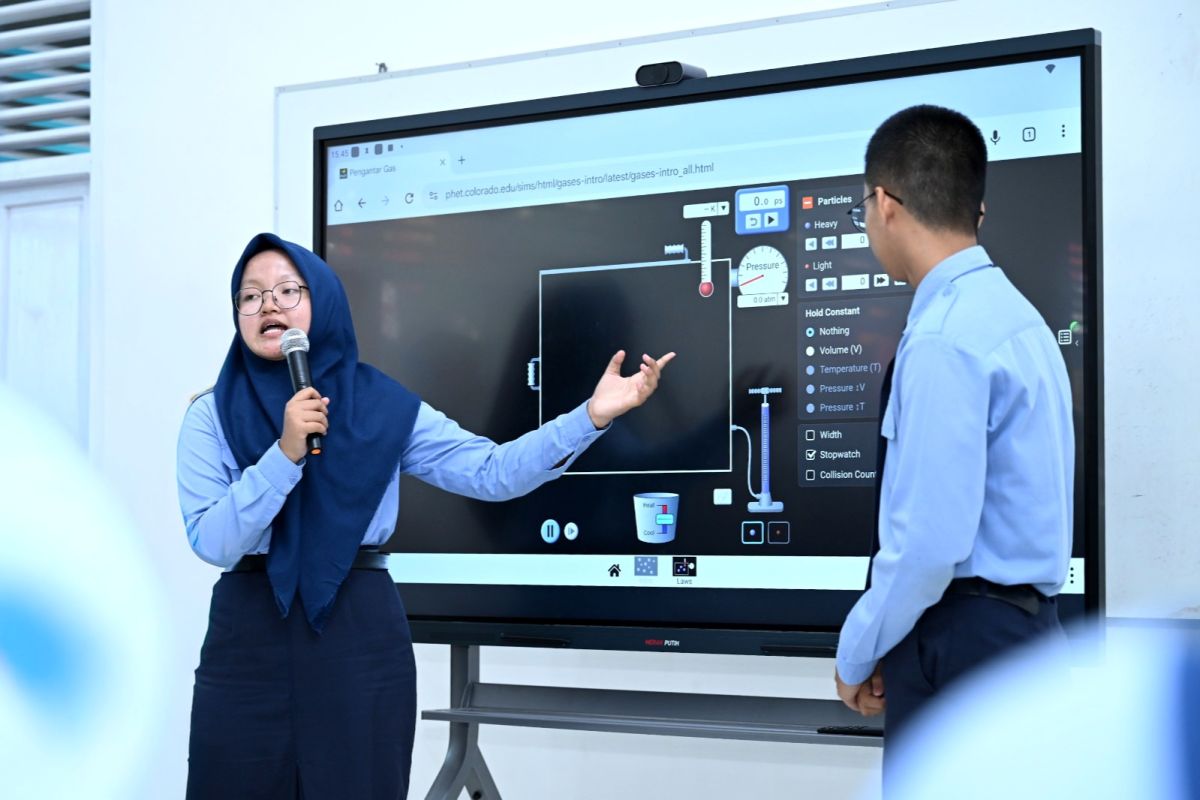
According to Antara, Minister of Primary and Secondary Education Abdul Mu'ti said the deep learning approach is intended to achieve the core goals of national education, including building superior, strong, and resilient human resources. Antara reports Mu'ti made the remarks in a speech on National Education Day. The ministry has adopted the deep learning approach as a priority program, Antara adds, and has outlined five strategic policies: revitalizing education units and accelerating digital learning; improving teacher competence; strengthening school-community character; enhancing literacy and numeracy; and expanding access to education. Antara also reports the ministry has begun teacher training and pilot implementations in several regions, with West Java named as an active adopter. The report notes the ministry explained the symbolism of this year's Hardiknas logo as reflecting these transformation priorities.
What happened
According to Antara, Abdul Mu'ti, Minister of Primary and Secondary Education, said the deep learning approach is designed to achieve the fundamental goals of national education, with priorities on building superior, resilient human resources. Antara reports Mu'ti delivered the remarks during a speech marking National Education Day. Antara further reports the ministry has adopted the deep learning approach as a priority program and listed five strategic policies intended to raise education quality.
Technical details
According to Antara, the ministry's five strategic policies are:
- •revitalizing education units and accelerating digital learning
- •improving teacher competence
- •strengthening the character of school communities
- •enhancing students' literacy and numeracy
- •expanding access to education
Antara reports the ministry has begun implementing the approach in several regions, with West Java explicitly mentioned, and that teacher training sessions have included development of Learning Implementation Plans (RPP) emphasizing active student involvement, project-based work, and reflection. Antara also notes the ministry clarified that pedagogical "deep learning" differs from the AI term and is built on mindful, meaningful, and joyful learning principles.
Industry context
What to watch
Editorial analysis
Framing this as a national priority follows a broader international pattern where ministries emphasize higher-order thinking and project-based learning to meet 21st-century skill goals. Ministries or districts adopting similar pedagogical frameworks typically invest in scaled teacher professional development, updated assessment rubrics, and localized pilot programs before full curriculum integration.
Observers should track whether the central ministry issues formal curriculum guidance or assessment changes, the scale and geography of pilot rollouts beyond provinces named by Antara, and measurable outcomes from teacher training cohorts. For edtech vendors and curriculum designers, adoption indicators include published RPP templates, ministry-funded training schedules, and guidance on digital-learning infrastructure investments.
Key Points
- 1National ministry names pedagogical 'deep learning' a priority, signaling focus on conceptual mastery and resilience in students.
- 2Practical rollout emphasizes teacher training and regional pilots, so capacity-building and RPP templates will shape classroom uptake.
- 3For edtech and curriculum providers, published guidance and assessment changes will be the primary adoption triggers to monitor.
Scoring Rationale
'Relevant to educators, edtech vendors, and curriculum designers but of limited immediate significance to AI/ML practitioners because 'deep learning' here is pedagogical, not a machine-learning development. Fresh national-level adoption raises implementation questions worth monitoring.
Sources
Public references used for this report.
Practice interview problems based on real data
1,625 SQL & Python problems across 15 industry datasets — the exact type of data you work with.
Try 250 free problems