Dr. Jayne Critiques AI Conference Coverage and Media Framing

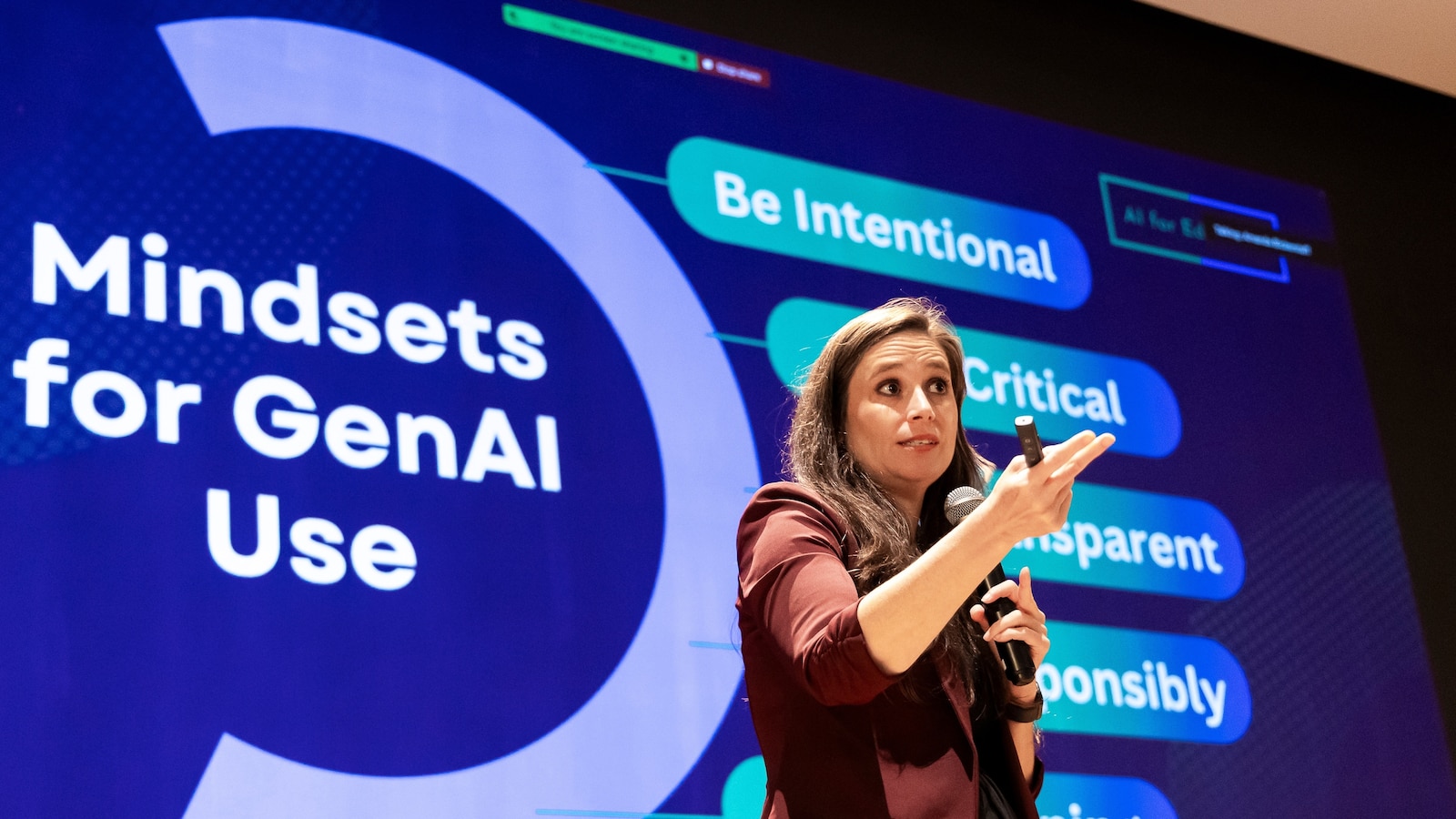
Dr. Jayne wrote on Histalk that she attended an AI conference that included attorneys, accountants, healthcare professionals, and other nonclinical participants. Dr. Jayne wrote that the interview between Freakonomics co-author Stephen Dubner and Epic CEO Judy Faulkner "struck me as more than a little disingenuous," characterizing the segment as poorly framed. The post invokes a historical analogy to AT&T and argues that paying informants is not the same as funding the organizations they report on, per the Histalk entry. Dr. Jayne also notes an anti-hate nonprofit's use of undercover investigators against the KKK as context for the informant discussion. Cross-disciplinary conference attendance, as reported here, highlights rising intersections of legal, ethical, and media issues with technical AI deployment.
What happened
Dr. Jayne wrote on Histalk that she attended an AI conference open to nonhealthcare professionals and that attendees included attorneys, accountants, and healthcare practitioners. The post critiques a segment in which Freakonomics co-author Stephen Dubner interviewed Epic CEO Judy Faulkner, saying it "struck me as more than a little disingenuous," and draws a parallel to historical remarks from AT&T about competitor devices. The Histalk entry argues that paying informants should not be conflated with funding the organizations they inform on and cites an anti-hate nonprofit's undercover work against the KKK as an illustrative example.
Editorial analysis - technical context
Cross-sector AI events combine domain experts who approach AI from different risk and liability frames. Industry observers note that when legal, accounting, and clinical stakeholders attend the same forums, technical teams must translate model behavior into audit-ready explanations, compliance artifacts, and defensible data provenance, rather than treating deployments as purely engineering problems.
Industry context
Media framing matters for health IT vendors and AI projects because public narratives shape regulatory scrutiny and institutional trust. Reporting that emphasizes personality-driven interviews or simplified narratives can obscure nuance around data-sharing, informant sourcing, and investigational tactics used in civic or nonprofit contexts. Industry reporting on similar topics often prompts legal and compliance teams to tighten documentation and communication practices.
What to watch
Track follow-up coverage of the Dubner-Faulkner exchange and any responses from Epic or show producers. Monitor whether legal or industry groups reference the informant-versus-funding distinction in policy discussions. Observers should also watch for more cross-disciplinary conference programming that foregrounds ethics, media strategy, and legal risk alongside model performance and deployment metrics.
Key Points
- 1Cross-disciplinary AI conferences draw legal, accounting, and clinical stakeholders, increasing demand for auditable, domain-aware AI workflows.
- 2Media framing of interviews, such as the Dubner-Faulkner exchange, influences public perception and can drive compliance attention.
- 3Debates about paying informants versus funding organizations highlight ethical and legal complexity practitioners must consider around data provenance.
Scoring Rationale
This is an opinion piece with limited new technical or research content but it highlights cross-disciplinary debates relevant to deployment, compliance, and public perception. Practitioners should note the governance and communications implications even though the story itself is not a technical development.
Practice with real Health & Insurance data
90 SQL & Python problems · 15 industry datasets
250 free problems · No credit card
See all Health & Insurance problems