Companies Pursue Fusion to Power AI Data Centers
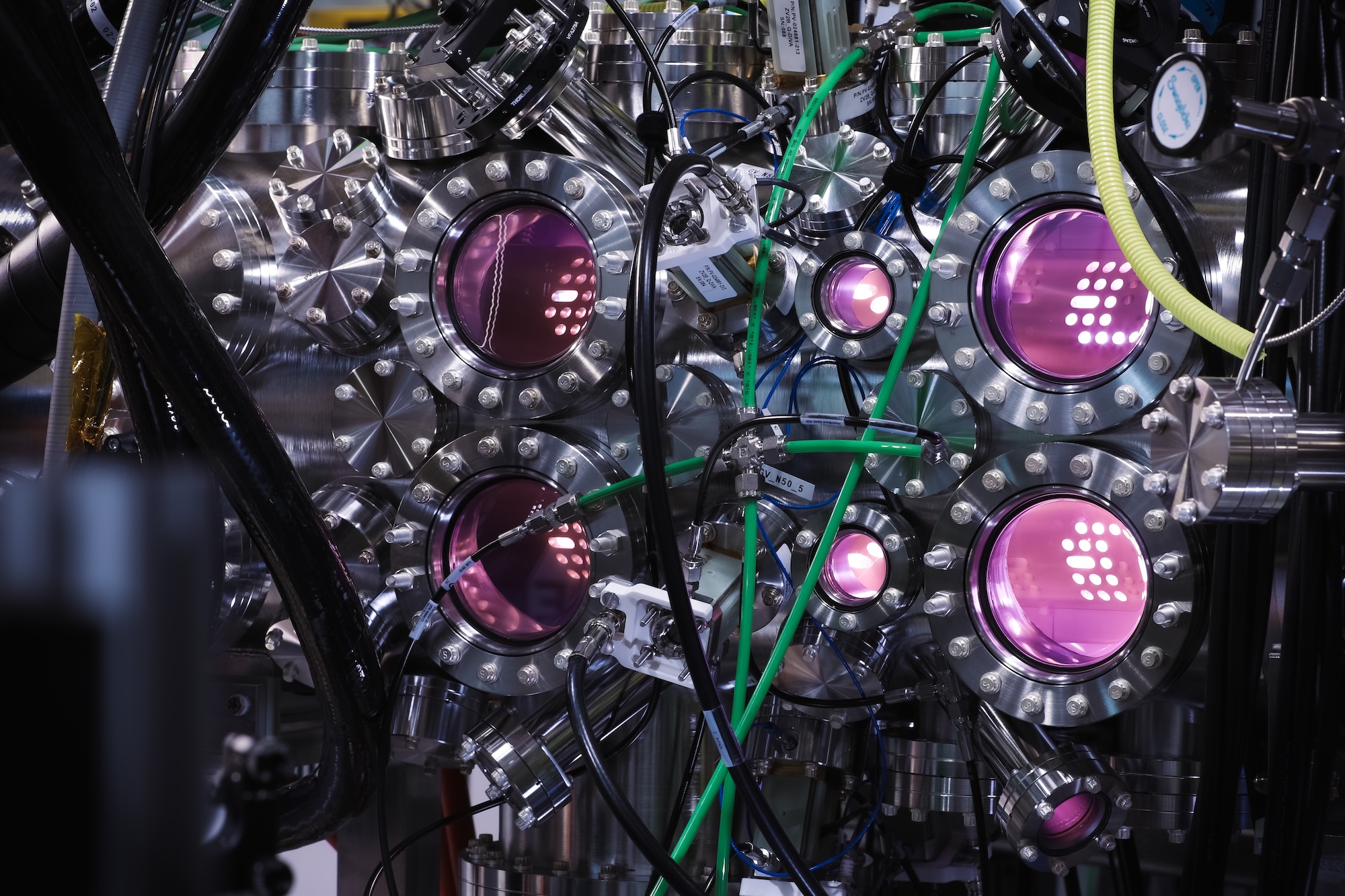
Fusion startup Helion Energy, armed with a $1.5 billion war chest, has signed an agreement to sell fusion-generated electricity to Microsoft for a Central Washington data center by 2028, according to a GeekWire feature published July 2, 2026. Rival Zap Energy has raised $330 million and secured U.S. Department of Energy backing, and in April 2026 said it will also pursue conventional nuclear fission as a nearer-term revenue path alongside its fusion work. The push reflects surging AI data-center power demand outpacing near-term grid capacity, pushing hyperscalers toward speculative next-generation power sources. Both Everett, Washington-area startups face tight timelines: Helion's Orion plant must go live within two years, and experts remain split on whether commercial fusion economics will arrive before the AI buildout needs the power.
The real signal for AI infrastructure planners is not whether commercial fusion arrives on schedule, it is that hyperscale compute demand is now large enough to justify multi-year, speculative power bets running alongside conventional generation. Helion's contract structure and Zap's fission pivot both show fusion developers hedging against timeline risk, which is the more durable lesson for teams modeling long-horizon power procurement for AI clusters.
What happened
According to a GeekWire feature published July 2, 2026, Helion Energy has raised a cumulative $1.5 billion and signed an agreement to sell fusion-generated electricity to Microsoft for a data center in Central Washington, targeting delivery by 2028. TechCrunch separately reported Helion raised $465 million in a Series G round in June 2026 at a $15.5 billion valuation. GeekWire reports Helion operates its Everett, Washington R&D facility, including the Polaris fusion prototype, under tight security, and broke ground in 2025 on its 50-megawatt Orion plant in Malaga, Washington. Helion CEO David Kirtley told GeekWire, "It's enabled us to ramp up our timelines and go faster than we had originally planned." A short drive away, competitor Zap Energy has raised $330 million and secured Department of Energy backing; in April 2026 the company said it will jointly pursue conventional nuclear fission as a near-term revenue path alongside its fusion program. Zap president and co-founder Benj Conway said, "This isn't a pivot."
Technical context
Commercializing fusion at grid scale remains a multi-year systems-engineering challenge spanning plasma physics, materials science, heat-to-power conversion, grid interconnection, and plant operations. Helion's approach compresses plasma using magnets and captures energy directly as electric current; per GeekWire, the company recently built a smaller test device, Tiny Merge, to speed iteration ahead of its 2028 deadline. Zap's Z-pinch approach uses a liquid-metal blanket to capture fusion neutrons as heat, a design with cooling-technology overlap with the fission microreactor it is now also pursuing.
For practitioners
For teams modeling long-term power procurement for AI clusters, the practical takeaway is that generation risk, permitting timelines, and local grid-interconnection constraints increasingly belong in capacity-planning models alongside compute procurement. Dual-technology hedging, such as Zap pairing near-term fission with longer-horizon fusion, is a pattern likely to recur among vendors chasing AI-driven power demand.
What to watch
Watch whether Helion's Orion plant meets its 2028 commercial deadline, whether Zap's fission microreactor deploys faster than its fusion program, and how other heavily funded players, including Commonwealth Fusion Systems, which GeekWire reports has raised nearly $3 billion for a planned Virginia plant, factor into future hyperscaler power deals.
Key Points
- 1Helion Energy, backed by $1.5 billion in cumulative funding, will sell fusion electricity to Microsoft from a Washington data center by 2028.
- 2Zap Energy is adding conventional nuclear fission to its fusion roadmap as a faster, lower-risk path to near-term revenue.
- 3AI-driven power demand is pushing hyperscalers and startups to treat generation risk as a core capacity-planning variable, not just compute.
Scoring Rationale
Notable AI-infrastructure story: two well-funded Pacific Northwest fusion startups, Helion (backed by $1.5B in capital and a Microsoft offtake deal) and Zap ($330M raised, adding fission), illustrate how AI-driven power demand is reshaping data-center energy procurement. Kept just below the 'major' tier because this is a feature recap of ongoing efforts rather than a discrete new development.
Sources
Public references used for this report.
Practice interview problems based on real data
1,625 SQL & Python problems across 15 industry datasets — the exact type of data you work with.
Try 250 free problems