Companies Amplify AI Claims, Echoing Past Sustainability Hype
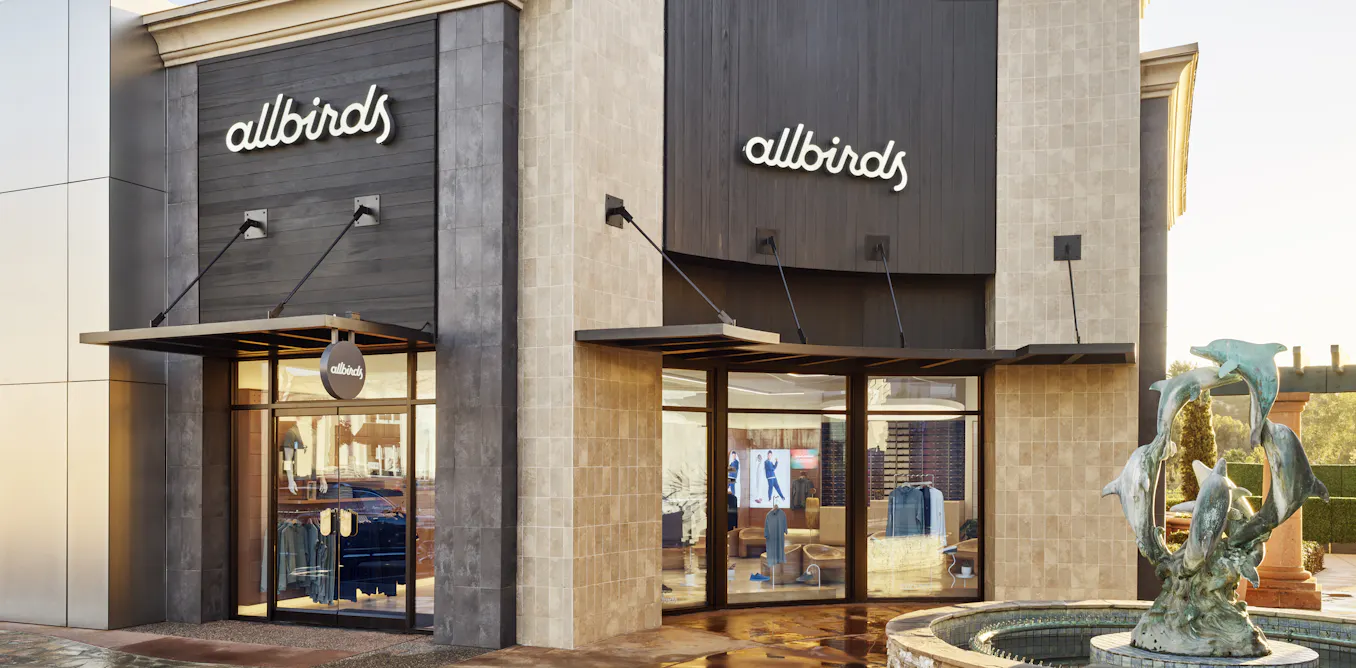
According to The Conversation, Associate Professor Suvrat Dhanorkar warns that "AI washing", firms overstating AI capabilities, is spreading across earnings calls, investor decks and marketing materials. The Conversation cites the April 2026 announcement by Allbirds to rebrand toward AI and reports the company saw a roughly 600% share-price surge after the announcement; the article also reports the company plans to rename itself as a public benefit corporation in the coming months. The Conversation draws an explicit parallel between AI washing and earlier greenwashing, and argues companies and regulators should tighten standards and learn from anti-greenwashing efforts. Comparable waves of marketing-driven claims in sustainability led to regulatory pushback and reputational fallout, which could repeat in AI.
What happened
The Conversation published a May 18, 2026 article by Suvrat Dhanorkar reporting that AI washing, when firms overpromise AI capabilities, is becoming widespread across earnings calls, investor presentations and marketing materials. The Conversation cites the April 2026 announcement by Allbirds that it would rebrand toward AI and reports the company experienced an approximately 600% share-price surge after the announcement. The Conversation reports the company also plans to rename itself as a public benefit corporation in the coming months. The article frames the phenomenon as analogous to greenwashing, saying companies historically spent more on green marketing than on substantive sustainability improvements and urging tighter standards for AI claims.
Editorial analysis - technical context
Companies and vendors that overstate AI capabilities create specific technical and procurement frictions across the stack. Misleading claims increase the burden on engineering teams to validate vendor models, to reproduce reported benchmarks and to detect distributional gaps between training and production data. For practitioners, this typically means heavier investment in reproducible evaluation, transparent documentation, and independent testing frameworks to confirm model behavior under realistic workloads.
Context and significance
Past waves of greenwashing provoked regulatory responses, third-party verification markets and greater skepticism from institutional buyers. If the pattern repeats in AI, it could accelerate demand for standardized disclosure, third-party audits, model documentation (for example model cards), and contractual service-level agreements tied to measurable performance. That shift would change procurement timelines and raise the bar for vendor claims, especially in regulated sectors.
What to watch
Industry context
Monitor three indicators that would signal a move from hype to accountability: new regulatory guidance or enforcement actions mentioning deceptive AI marketing; growth in independent AI audit and assurance providers; and wider adoption of standardized documentation and benchmark protocols by enterprise buyers. Observers should also track investor reaction to firms that rebrand around AI without demonstrable product pipelines, and any legal challenges rooted in misleading AI claims.
Key Points
- 1AI washing mirrors greenwashing: marketing-first AI claims can trigger regulatory scrutiny and damage buyer trust.
- 2Practitioner burden rises when vendor claims lack reproducible benchmarks, increasing due-diligence and testing costs.
- 3Standardized disclosures, third-party audits and contractual SLAs are the likely mechanisms to curb deceptive AI marketing.
Scoring Rationale
The article highlights a growing pattern of misleading AI marketing with concrete corporate examples, which matters to procurement, compliance and engineering teams. It is notable for prompting attention to disclosure and auditing but does not by itself change model technology or large-cap industry structure.
Sources
Public references used for this report.
Practice interview problems based on real data
1,625 SQL & Python problems across 15 industry datasets — the exact type of data you work with.
Try 250 free problems