
College Graduates Boo Commencement Speakers Over AI
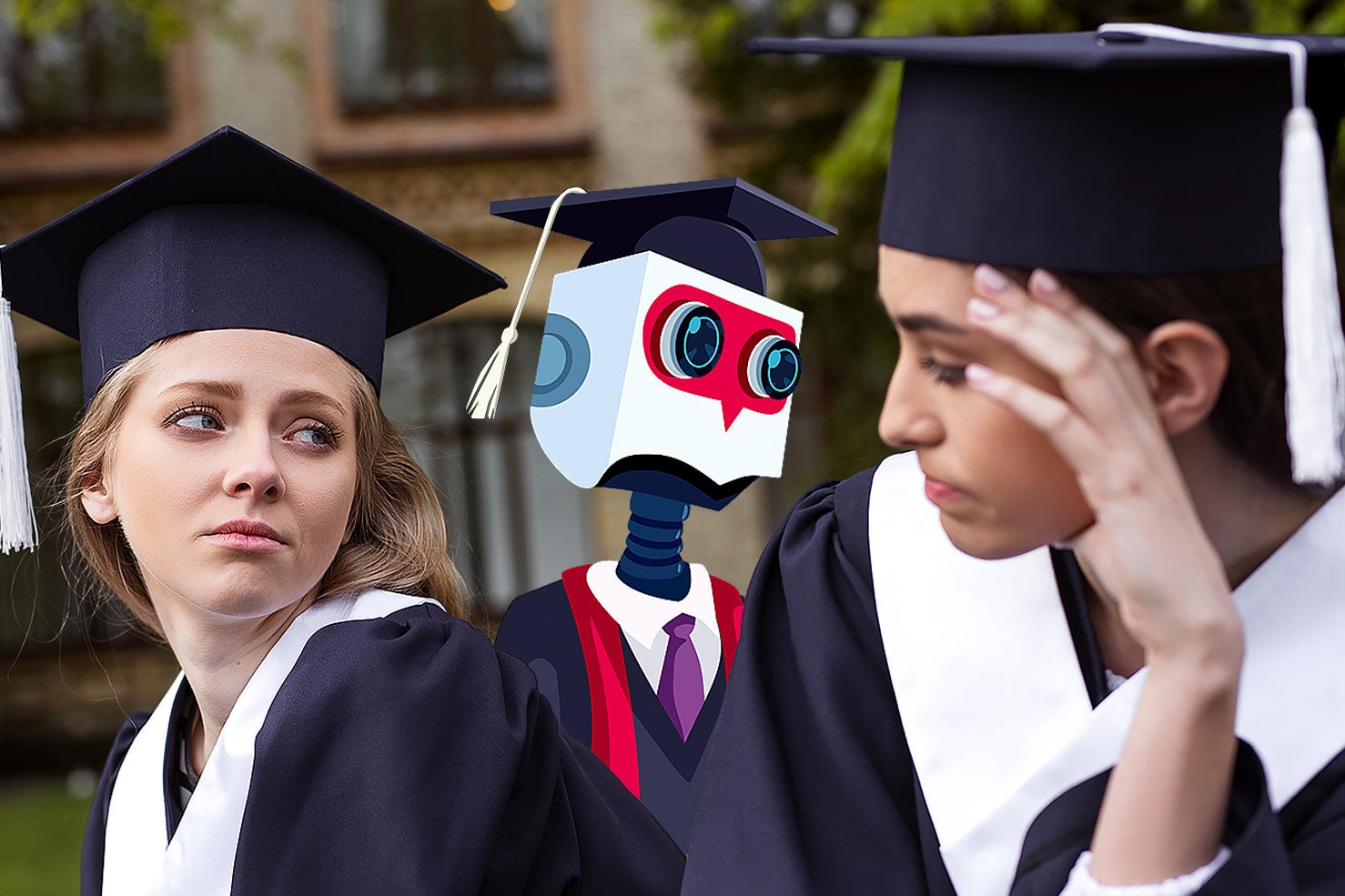
Multiple commencement speeches this month were met with boos when speakers mentioned artificial intelligence. According to reporting in The New York Times, NBC News, Slate and AP, former Google CEO Eric Schmidt was booed while saying "A.I. is going to touch everything" at a University of Arizona ceremony, and real estate executive Gloria Caulfield drew jeers after calling AI "the next Industrial Revolution" at an earlier ceremony, per Slate and The New York Times. The New York Times cites a recent poll that found only 18 percent of Gen Z respondents feel hopeful about AI, and links the protests to broader youth skepticism of the technology, including political calls for data center moratoriums and high-profile incidents such as an attack at the home of OpenAI CEO Sam Altman, which the Times reports as part of a rising backlash.
What happened
Multiple commencement speakers were booed this graduation season after referencing artificial intelligence, according to reporting by The New York Times, NBC News, Slate, AP, and other outlets. Per The New York Times and NBC News, former Google CEO Eric Schmidt was booed at a University of Arizona commencement after saying, "A.I. is going to touch everything." Slate and The New York Times report that real estate executive Gloria Caulfield was booed at an earlier ceremony when she described "the rise of artificial intelligence" as "the next Industrial Revolution." AP and NBC News documented similar heckling at other graduations.
Editorial analysis - technical context
Industry and polling coverage cited by The New York Times indicates younger cohorts express pronounced skepticism about AI. The Times reports a recent poll finding that only 18 percent of Gen Z respondents feel hopeful about AI, and nearly half view risks as outweighing benefits. Industry-pattern observations: when a technology shift combines visible employment risk, environmental costs, and concentrated corporate control, public distrust is often concentrated among younger adults who face near-term labor-market exposure.
Context and significance
The New York Times frames these protests as part of a broader backlash that includes political pressure and public-health style concerns; the Times cites reporting that tech and crypto interest groups are increasing political spending to influence policy debates. The Times additionally notes high-profile acts of violence, including an attack at the home of OpenAI CEO Sam Altman, as examples reporters use to illustrate heightened tensions. For practitioners, these developments matter because public sentiment shapes regulatory attention, university speaker selection, and reputational risk for institutions and companies linked to AI development.
Editorial analysis - social dynamics
Observers quoted in news coverage connect commencement booing to a mix of factors reported in the sources: job anxiety, perceived tone-deafness of some speakers, ethical concerns, and environmental worries tied to large-scale compute. Industry-pattern observations: public-facing communications about AI framed solely as opportunity often provoke pushback when audiences believe the benefits are unevenly distributed. Coverage in outlets such as Slate and Gizmodo highlights that thorny messaging and metaphors like "rocket ship" can amplify perceptions of elitism.
What to watch
Reporting identifies several indicators to monitor: further on-campus protests or cancellations of high-profile speakers (documented by NBC and AP), shifts in youth polling on AI sentiment (reported by The New York Times), legislative activity or proposed moratoriums on data center construction (mentioned in Times reporting), and changes in how universities screen or prepare speakers on technology topics. Industry observers and journalists will also track whether political spending by AI-aligned groups increases scrutiny or alters the tenor of public debate, a dynamic the New York Times highlights.
Bottom line
These incidents, as documented across national outlets, are a visible manifestation of rising youth skepticism about AI. Industry-pattern observations: sustained negative public sentiment can accelerate policy attention and alter how institutions choose to engage with AI publicly, even if technical development continues on existing timelines.
Key Points
- 1Visible booing at commencements reflects broader youth skepticism about AI, documented by The New York Times, NBC, Slate and AP.
- 2A recent poll cited by The New York Times found only 18 percent of Gen Z feel hopeful about AI, signaling low trust among new labor-market entrants.
- 3Industry-pattern observations: public backlash focused on jobs, environment and corporate power often drives political scrutiny and reputational risk.
Scoring Rationale
The story matters because shifting public sentiment among Gen Z can increase regulatory scrutiny and reputational risk for AI practitioners. It is notable for policy and communications effects, but it does not directly change core technical capability or industry infrastructure.
Sources
Public references used for this report.
View 7 more sources
- Ex-Google CEO Eric Schmidt Fails to Read Room on AI, Gets Booed into Obliviongizmodo.com
- The new college graduation ritual: booing AIaxios.com
- College students drown out AI-praising commencement speeches with boos — 'deal with it' one speaker fires back as students heckle positive pitches for AI's roletomshardware.com
- College student are booing commencement speakers mentioning AI, but still use it to cheat on examsfortune.com
- Graduating Students Boo AI at Commencement Ceremoniesgovtech.com
- UCF Commencement Speaker Booed Over AI Commentstoday.com
- AI Triggers Controversial Commencement Season - USNews.comusnews.com
Practice interview problems based on real data
1,625 SQL & Python problems across 15 industry datasets — the exact type of data you work with.
Try 250 free problems

