Claude Desktop Buddy Adds Physical Status with $30 Gadget
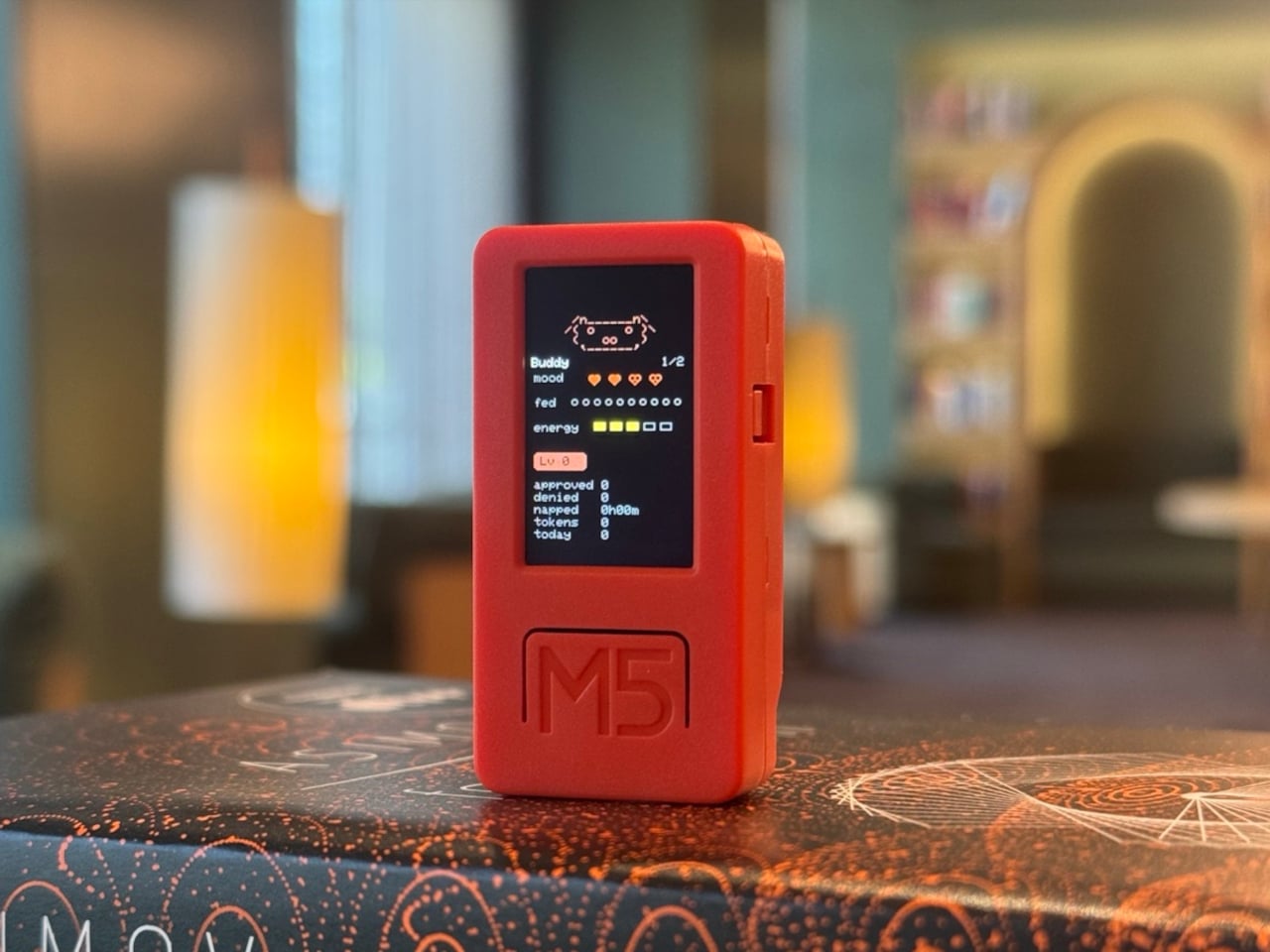
According to Yanko Design, the open-source project called Claude Desktop Buddy - attributed to Anthropic and prototyped by OpenELAB - links the Claude desktop app to a pocket-sized device over Bluetooth Low Energy. Yanko Design reports the reference hardware is the M5StickC Plus, an ESP32-based board with a 135x240 color display, IMU, and LiPo battery that costs around $30. The device reportedly wakes when a Claude Code session starts, idles while work runs, and signals permission prompts with a buzz and on-screen prompt; Button A approves and Button B denies, per the article. The project is presented as an open-source prototype for reducing context switches during coding and permission flows, with firmware pre-supported for the M5StickC Plus, according to Yanko Design.
What happened
According to Yanko Design, an open-source project called Claude Desktop Buddy - credited to Anthropic and prototyped by OpenELAB - turns a small ESP32-based device into a physical companion for the Claude desktop app. Yanko Design reports the gadget mirrors app activity over Bluetooth Low Energy, waking when a Claude Code session starts, idling while Claude works, and alerting the user when Claude Code requests permission. The article states the reference hardware is the M5StickC Plus, a pocket-sized board with a 135x240 color display, built-in IMU, buttons, and LiPo battery, costing about $30. Yanko Design notes the device buzzes and shows the permission prompt on-screen; Button A approves and Button B denies.
Technical details
Per Yanko Design, the prototype uses an ESP32-class microcontroller and communicates with the desktop app via Bluetooth Low Energy. The M5StickC Plus is listed as pre-supported by the firmware and serves as the reference build platform. The article describes simple interaction affordances - display, vibration, and two-button consent - rather than a full accessory ecosystem.
Industry context
Editorial analysis: Physical status indicators and low-cost companion devices have precedent in peripheral UI design and can reduce context switching for developers during modal or background operations. For practitioners, integrating a BLE-capable microcontroller like an ESP32 with a desktop assistant requires handling pairing, low-latency event propagation, and power management for small LiPo batteries.
What to watch
Editorial analysis: Observers should track whether the project publishes firmware and integration docs, how broadly the companion supports different Claude workflows beyond Claude Code, and whether community ports appear for alternative hardware. Also monitor security and permission UX discussions from the developer community around exposing prompts to external devices.
Key Points
- 1A $30 ESP32-based display can surface assistant status and permission prompts, reducing desktop context switches for developers.
- 2Open-source firmware and a simple two-button approval model enable fast prototyping on devices like the M5StickC Plus.
- 3Practitioners integrating BLE companions should prioritise pairing, event latency, and battery life when connecting assistants to physical devices.
Scoring Rationale
This is an interesting hardware accessory that demonstrates practical UI affordances for desktop assistants, but it is a niche, prototype-level effort with limited immediate relevance to core model development or large-scale deployments.
Practice interview problems based on real data
1,625 SQL & Python problems across 15 industry datasets — the exact type of data you work with.
Try 250 free problems