CJI Flags AI Bias Against Poor Communities
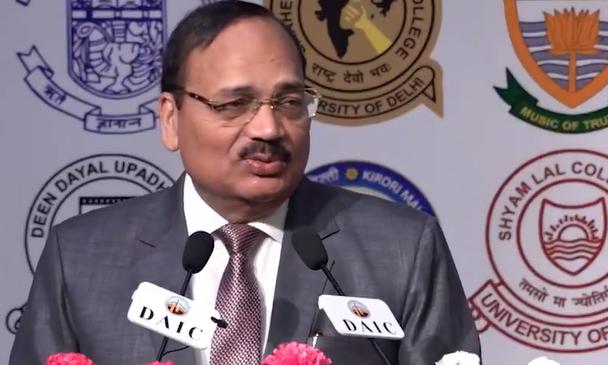
According to reporting by The Weekend Leader and Press Trust of India (PTI), Chief Justice of India Surya Kant warned that artificial intelligence is exhibiting an inherent bias against the poor. The remarks were delivered at the 8th Dinkar Memorial Lecture, organised by NGO Respect India, where the CJI invoked poet Ramdhari Singh Dinkar and stressed the continuing relevance of equality and human dignity in a democracy. The Weekend Leader and Devdiscourse report that attendees included Supreme Court Bar Association president Vikas Singh and Lok Sabha MP Manoj Tiwari. The CJI also said, "In a democracy, equality, dignity and social harmony are essential. Merely passing laws is not enough unless every individual is treated with dignity and respect," per The Weekend Leader.
What happened
According to reporting by The Weekend Leader and Press Trust of India (PTI), Chief Justice of India Surya Kant cautioned that artificial intelligence is exhibiting an inherent bias against the poor during the 8th Dinkar Memorial Lecture, organised by Respect India. The Weekend Leader and Devdiscourse note that the lecture invoked the work of poet Ramdhari Singh Dinkar and that attendees included Supreme Court Bar Association president Vikas Singh and Lok Sabha MP Manoj Tiwari. The Weekend Leader records the CJI saying, "In a democracy, equality, dignity and social harmony are essential. Merely passing laws is not enough unless every individual is treated with dignity and respect."
Editorial analysis - technical context
Industry-pattern observations: reporting of judicial concern about algorithmic bias aligns with a growing body of academic and policy literature showing that AI systems can reproduce or amplify socioeconomic disparities when training data, feature selection, or deployment contexts reflect existing inequalities. Peer-reviewed work and regulatory reviews have documented bias outcomes in credit scoring, predictive policing, and welfare eligibility systems, which often disadvantage lower-income groups.
Context and significance
a sitting Chief Justice publicly flagging AI bias elevates the issue within legal and policy circles in India and may increase scrutiny of algorithmic decision-making in public and private sectors. Judicial commentary of this type typically informs legislative and administrative debates even when it does not constitute a legal ruling. For practitioners, this signals stronger attention from stakeholders beyond technical teams, including lawyers, civil-society actors, and procurement authorities.
What to watch
Observers should track whether Indian regulators, courts, or central agencies cite the CJI's remarks in calls for impact assessments, transparency mandates, or sector-specific guidance. Watch for follow-up reporting from PTI and national outlets on any proposed hearings, government responses, or stakeholder consultations. Also monitor academic and NGO work documenting concrete instances of socioeconomic bias in deployed systems, since those studies often shape policy responses.
Key Points
- 1CJI Surya Kant warned that AI shows an inherent bias against the poor, raising judicial-level attention to algorithmic discrimination.
- 2Public commentary from the judiciary often feeds policy and regulatory debate, increasing nontechnical stakeholder scrutiny of deployed systems.
- 3Practitioners should expect heightened demand for documentation, socioeconomic impact assessments, and transparency in systems affecting low-income groups.
Scoring Rationale
A Chief Justice publicly highlighting socioeconomic bias in AI is notable for policy and regulation watchers and for practitioners building systems that affect citizens. The event is important but not a technical breakthrough, so its immediate operational impact is moderate.
Sources
Public references used for this report.
Practice interview problems based on real data
1,625 SQL & Python problems across 15 industry datasets — the exact type of data you work with.
Try 250 free problems