Chinese Partner Procures Banned Nvidia AI Servers
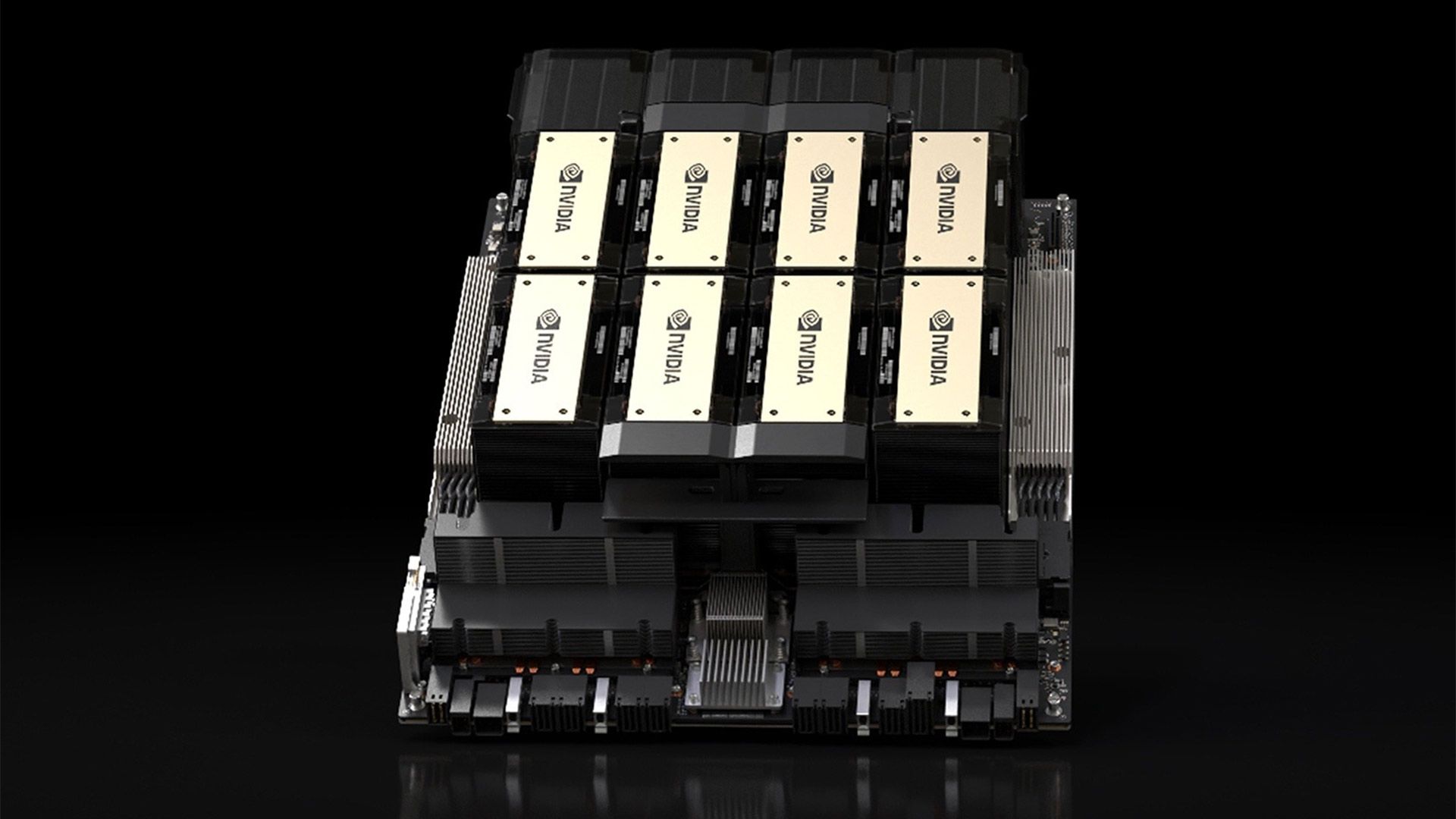
Invoice records show Sharetronic Data Technology Co. bought 276 Super Micro SYS-821GE-TNHR servers and 32 Dell PowerEdge XE9680 units in May-June 2025, invoiced at $92 million, and sold them to a Shenzhen subsidiary. The Super Micro model supports Nvidia H100/H200 HGX accelerators, and Dell lists multiple high-performance accelerators as compatible, all of which were subject to U.S. export controls restricting shipments to China since 2022. It remains unclear how the machines were sourced or whether the accelerators were installed when sold. The purchases surfaced amid a separate Super Micro smuggling arrest, triggering a sharp drop in shares of Chinese data-center supplier Sharetronic. The episode raises enforcement, compliance, and supply-chain transparency issues for cloud operators and hardware vendors serving AI workloads in China.
What happened
Invoice records from China's State Taxation Administration show Sharetronic Data Technology Co. procured 276 Super Micro SYS-821GE-TNHR servers and 32 Dell PowerEdge XE9680 servers in May-June 2025, invoiced at $92 million, and transferred them to a Shenzhen subsidiary. The Super Micro SKU advertises support for Nvidia HGX H100/H200 8-GPU configurations; Dell lists compatibility with multiple high-end accelerators that were under U.S. export control at the time. The timing and the connection to a recent Super Micro smuggling arrest caused Sharetronic's stock to plunge.
Technical details
The invoiced hardware lines implicate high-end AI accelerators commonly used for training and inference. The relevant SKUs and compatible accelerators include:
- •SYS-821GE-TNHR (Super Micro), which lists support for Nvidia HGX H100 and H200
- •PowerEdge XE9680 (Dell), listed as compatible with Nvidia HGX H100, H200, H20, AMD Instinct MI300X, and Intel Gaudi 3
All of the above accelerators were covered by U.S. export controls that prohibit or tightly restrict transfers to mainland China since 2022. The invoices alone do not prove which specific accelerator chips were present at time of sale, whether they were installed earlier and removed, or if intermediary routing circumvented export checks.
Context and significance
This incident sits at the intersection of export-control policy, hardware supply chains, and commercial cloud capacity in China. For practitioners, it signals three operational risks: enforcement escalation by export regulators, increased scrutiny of sourcing documentation across OEM and reseller channels, and potential disruption to procurement pipelines for AI infrastructure. Hardware vendors, system integrators, and cloud partners face both legal risk and reputational damage when high-performance accelerators appear on the market despite controls.
Commercial and market impact The immediate market reaction hit Sharetronic's share price after the invoices and the Super Micro-related smuggling arrest were publicized. Broader consequences could include tighter compliance audits by OEMs and hyperscalers, delays in server shipments, and more conservative secondary-market behavior for used AI racks.
What to watch
Expect enforcement follow-ups from U.S. export authorities and Chinese regulators, deeper audits of reseller invoicing trails, and potential changes in how vendors document accelerator delivery. Practitioners should review procurement controls, chain-of-custody processes, and contract clauses that enforce export compliance and audit rights.
Key Points
- 1Sharetronic invoiced 276 Super Micro and 32 Dell AI servers totaling $92M, implicating banned accelerators under U.S. export controls.
- 2Server SKUs list compatibility with Nvidia H100/H200, MI300X, and Gaudi 3, highlighting supply-chain opacity for controlled GPUs.
- 3The revelation and a Super Micro smuggling arrest amplify enforcement, compliance risk, and secondary-market disruption for AI infrastructure providers.
Scoring Rationale
This story materially affects infrastructure procurement, export-control compliance, and supply-chain risk for AI deployments, making it notable for practitioners. It is not a paradigm shift, but enforcement and transparency consequences could be industry-significant.
Practice interview problems based on real data
1,625 SQL & Python problems across 15 industry datasets — the exact type of data you work with.
Try 250 free problems