
China Deploys Nuclear Power to Fuel AI Growth
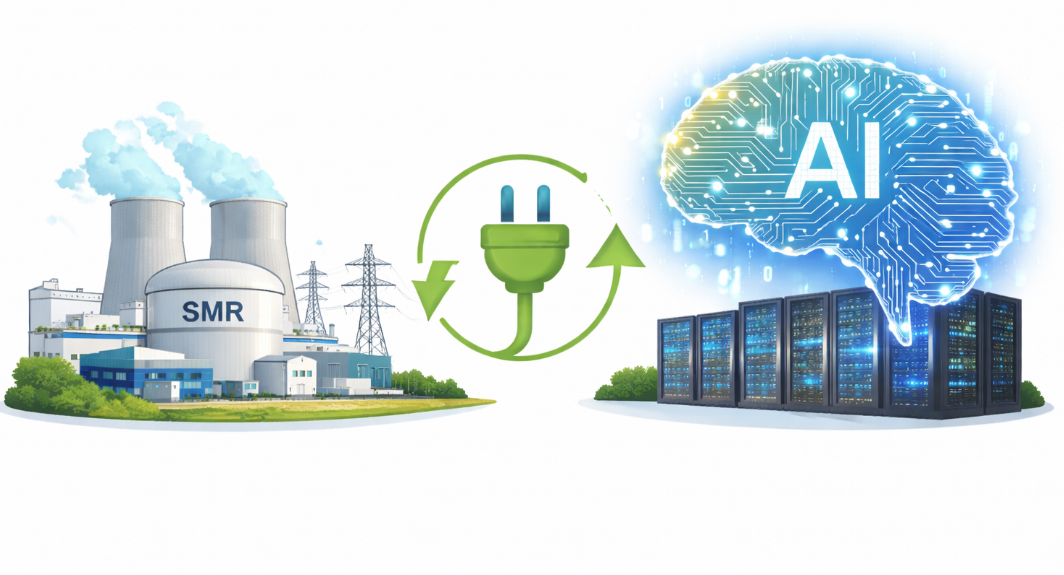
China is positioning nuclear power, specifically Small Modular Reactors (SMRs) like the Linglong One (ACP100), as a strategic energy source for rapidly expanding AI infrastructure. The Linglong One, developed by China National Nuclear Corporation (CNNC) and sited in Hainan, is scheduled for commercial operation in H1 2026 and is expected to produce about 1 billion kWh annually. Beijing frames SMRs as a way to deliver reliable, 24/7 baseload electricity close to data centers, reduce carbon intensity, and enable a "nuclear + computing" industrial park model. The move addresses the growing electricity demands of hyperscale AI compute, but raises questions about cost per kWh, grid integration, and regulatory tradeoffs. For practitioners this signals longer-term shifts in data center siting, energy procurement, and infrastructure partnerships in China and globally.
What happened
China is accelerating the use of nuclear energy to supply AI compute, prioritizing Small Modular Reactors such as Linglong One (ACP100), developed by China National Nuclear Corporation (CNNC). The Linglong One project in Hainan is expected to enter commercial operation in the first half of 2026, producing roughly 1 billion kWh annually and forming part of a planned "nuclear + computing" industrial park.
Technical details
SMRs are smaller, factory-built nuclear units that provide continuous, 24/7 baseload power and can be sited closer to load centers than large reactors. Key practitioner-facing attributes:
- •Flexible siting: SMRs fit closer to existing or planned data-center campuses, reducing transmission losses and permitting colocated cooling and waste-heat reuse.
- •Deployment speed and modularity: Factory fabrication aims to shorten build cycles versus traditional reactors, supporting staged capacity additions as compute demand grows.
- •Operational profile: Continuous, low-carbon power reduces reliance on volatile gas markets and intermittent renewables, stabilizing PUE and availability for long-duration training and inference runs.
Context and significance
AI compute demand is increasingly constrained by energy supply and carbon targets. Industry leaders have framed compute as a strategic commodity, and China's pivot to SMRs aligns energy policy with national AI ambitions. The global SMR market is projected to scale substantially by the 2030s, and China's early operational lead with Linglong One positions domestic data-center operators and cloud providers to secure dedicated, low-carbon power. For ML infrastructure teams this affects long-term procurement, potential power purchase agreements, and decisions about where to locate training clusters.
Risks and tradeoffs
Cost-per-kWh vs large reactors and renewables remains uncertain, and regulatory, safety, and public-acceptance factors will shape rollout speed. Integration challenges include grid interconnection, permitting for colocated compute facilities, and operational resilience for bursty AI loads.
What to watch
Watch commercial pricing and contract structures for SMR-sourced electricity, announcements of colocated hyperscale data centers in Hainan or other SMR hubs, and parallel SMR development programs in the US and UK that will affect global supply and standards.
Key Points
- 1China is fast-tracking SMRs like Linglong One to provide reliable, low-carbon, 24/7 power for AI data centers, reducing transmission and intermittency risks.
- 2SMR advantages, including factory fabrication and modular deployment, lower build-time uncertainty and enable staged capacity additions aligned to compute demand.
- 3Key uncertainties are cost per kWh, regulatory approvals, and integration with volatile AI load profiles, shaping data-center siting and energy procurement strategies.
Scoring Rationale
This is a notable infrastructure development directly tied to AI capacity planning and energy strategy. It changes the supply-side calculus for hyperscale compute but does not immediately alter model-level research or product roadmaps; regulatory and cost questions keep the impact from being industry-shaking.
Sources
Public references used for this report.
View 5 more sources
- China explores nuclear power to drive AImobile.chinadaily.com.cn
- China explores nuclear power to drive AIchinadailyhk.com
- Top 6 Ways Leading Nations Are Using Nuclear Energy to Power AI ...nuclearbusiness-platform.com
- China's Linglong One Set to Become World's First Commercial - Introlintrol.com
- CNNC AP100 (Linglong One) - Company Profile - IDTechEx Portalidtechex.com
Practice interview problems based on real data
1,625 SQL & Python problems across 15 industry datasets — the exact type of data you work with.
Try 250 free problems


