Chalmers AI extends EV battery life 23%
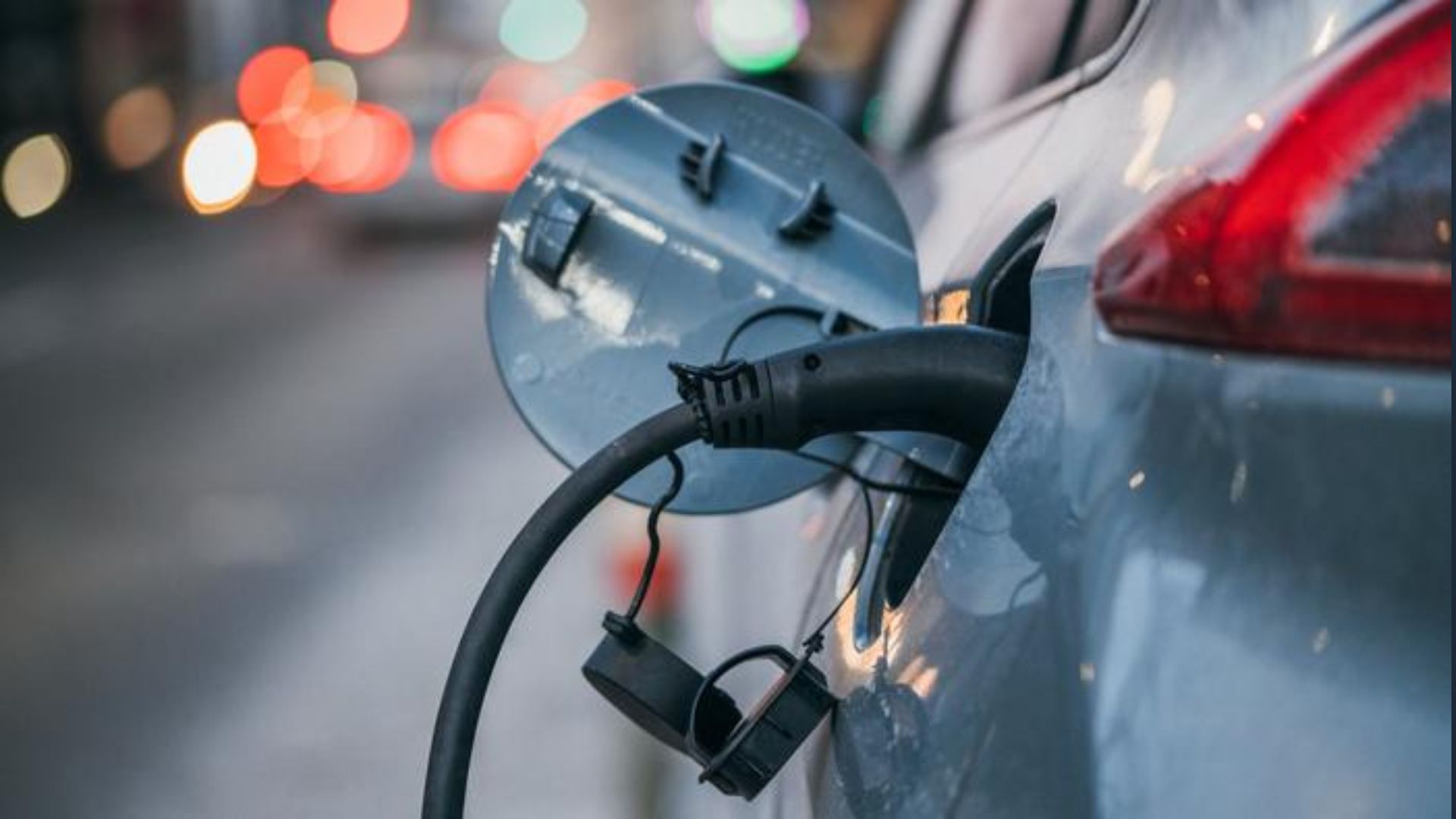
Reporting by EurekAlert and Interesting Engineering describes a reinforcement-learning charging strategy developed by researchers at Chalmers University of Technology that extends electric vehicle battery life by about 23 percent without increasing total charging time. The team trained the AI on a digital model of a common EV battery and simulated variables that affect both charging speed and long-term health, per EurekAlert. Both outlets report the method adapts fast-charge current to the battery's chemistry and state of health and that implementation requires only a software update to the vehicle's battery management system. Chalmers professor Changfu Zou is quoted on the importance of fast charging for taxis and heavy vehicles, and the coverage emphasizes the technique reduces lithium-plating risk and internal wear while keeping charge times within a few seconds of current standards.
What happened
Reporting by EurekAlert and Interesting Engineering covers a research result from Chalmers University of Technology showing an AI-based charging strategy can extend electric vehicle battery life by about 23 percent while maintaining existing fast-charge durations. EurekAlert states the method adapts charging current to a battery's chemistry and state of health. Interesting Engineering reports the AI was trained on a digital model of a common EV battery and on simulated usage scenarios. Both outlets say the change can be implemented via an update to the vehicle's battery management software.
Technical details
Reporting attributes the approach to a reinforcement-learning policy developed by Professor Changfu Zou and Assistant Professor Meng Yuan. EurekAlert and Interesting Engineering describe training against a digital battery model and simulated variables that trade off charging speed and degradation. Coverage highlights the method focuses on reducing lithium plating and uneven electrode wear by adjusting current profiles during fast charge cycles, while keeping total charge time within a few seconds of current standards.
Industry context
What to watch
Editorial analysis
Adaptive charging policies that tune current and voltage in response to battery age and chemistry are a known control-space for improving longevity, and this result aligns with that pattern. For practitioners, the reported 23 percent lifetime gain is material for fleet total-cost-of-ownership calculations because software changes avoid immediate hardware upgrades. Academic-to-production gaps remain, however; the peer-reviewed status, real-world validation on diverse chemistries, and integration challenges with OEM battery management systems are not detailed in the reporting.
Observers should look for peer-reviewed publication details, cross-chemistry and temperature robustness tests, and demonstrations on hardware-in-the-loop or vehicle fleets. Also watch for follow-up work showing integration paths with existing BMS standards and any industry pilot announcements from OEMs or fleet operators.
Direct quote
EurekAlert includes a direct quote from Professor Changfu Zou: "For taxis or heavy vehicles in industry, for example, access to fast charging means a lot, but this is also true for passenger cars."
Key Points
- 1Adaptive, software-only charging strategies can materially extend battery lifetime, lowering replacement and operational costs for fleets and long-haul users.
- 2Applying reinforcement learning to battery control is feasible in simulation; real-world validation across chemistries and temperatures remains the primary engineering hurdle.
- 3A software-update deployment model reduces hardware friction, so integration with existing battery management systems will determine industry uptake speed.
Scoring Rationale
The reported 23 percent lifetime improvement from a software-only, reinforcement-learning charging policy is a notable applied result for ML in control systems and for EV operations. It is not a frontier model release, but it has clear practical implications for fleets and battery management research.
Sources
Public references used for this report.
Practice with real Telecom & ISP data
90 SQL & Python problems · 15 industry datasets
250 free problems · No credit card
See all Telecom & ISP problems