Technical / Researchmachine learningbiosignaturespaleobiology
Carnegie Researchers Use Machine Learning to Identify 3.3‑Billion‑Year‑Old Biosignatures in Ancient Rocks
8.8
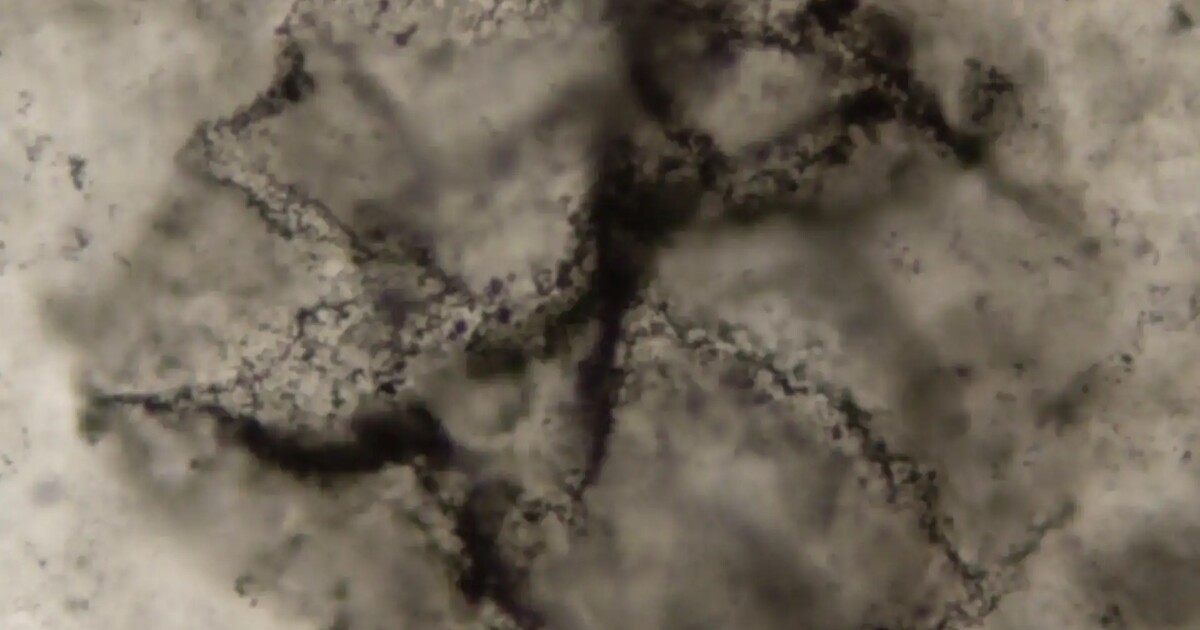
Carnegie researchers applied machine learning to chemical signatures in 3.3‑billion‑year‑old rocks, revealing new evidence that oxygen-producing photosynthesis evolved 800 million years earlier than previously believed. Using pyrolysis GC–MS data from over 400 organic samples, they trained a random forest model to distinguish biotic from abiotic origins with up to 98% accuracy. The approach uncovers hidden biosignatures, allowing detection of life traces even when conventional molecular fossils have degraded.
Key Points
- 1Researchers analyzed 406 samples with pyrolysis GC–MS and trained a random forest classifier to identify biological origins of organic fragments.
- 2The model achieved 98% accuracy distinguishing biological from non-biological sources and found evidence of early oxygenic photosynthesis 3.3 billion years ago.
- 3Machine learning provides a quantitative, scalable method for detecting ancient biosignatures, potentially transforming astrobiology and deep-time paleobiology.
Sources
Public references used for this report.
Practice interview problems based on real data
1,625 SQL & Python problems across 15 industry datasets — the exact type of data you work with.
Try 250 free problems