Cannes Filmmakers Embrace AI Tools for Production
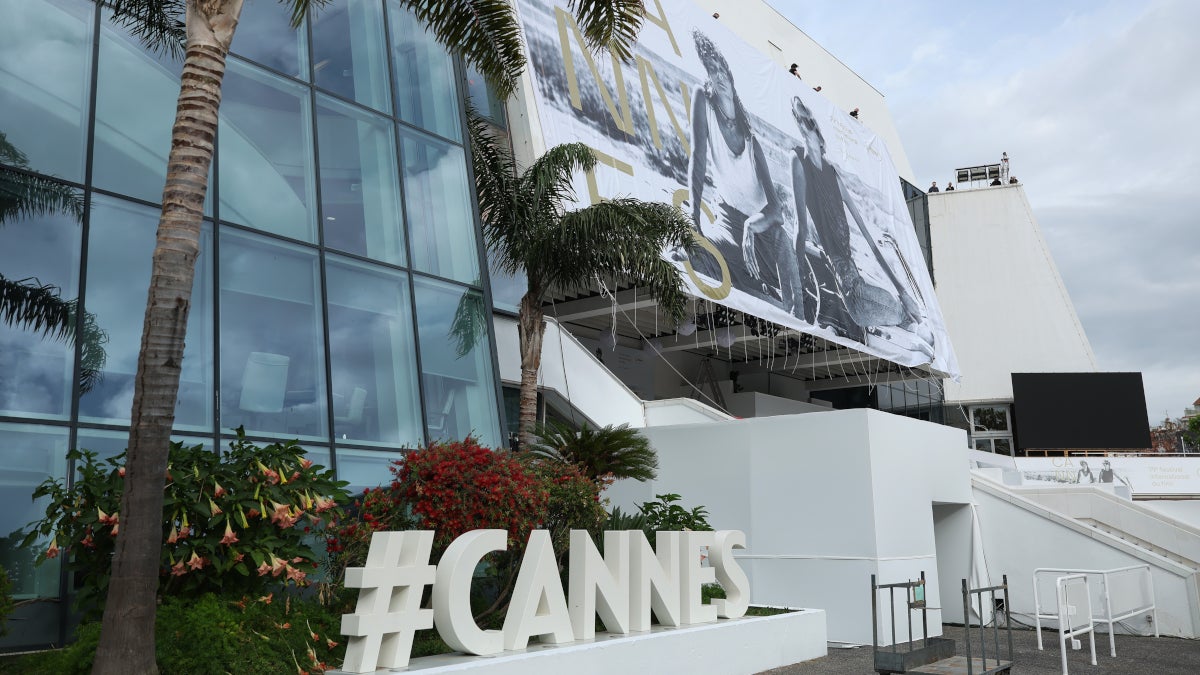
TheWrap reports that at the 2026 Cannes Film Festival some film professionals shifted from alarm about AI to active curiosity about using the technology in moviemaking. TheWrap notes that Todd Mann, cofounder of Flawless, attended the festival wearing a pin that read "Fuck AI" while promoting AI tools designed to let filmmakers and actors control whether their likenesses are used. TheWrap frames this as part of a broader mood change on the festival circuit, from seeing AI as a looming threat to discussing how to apply and regulate it. Industry observers will watch whether this curiosity translates into demand for rights-management tooling and provenance safeguards in production workflows.
What happened
TheWrap reports that at the 2026 Cannes Film Festival some film professionals shifted from alarm about AI toward practical curiosity about using the tools in filmmaking. TheWrap describes an interaction on the Members Club beach where Todd Mann, cofounder of Flawless, wore a pin reading "Fuck AI" while promoting AI tools the company says help filmmakers and actors prevent unauthorized use of their likenesses. TheWrap frames these scenes as evidence of a changing mood among some festival attendees.
Editorial analysis - technical context
Industry-pattern observations: Media production workflows have started to absorb two parallel tool classes, rights-management tooling and generative-capability tools. Rights-management tooling includes consent-recording, cryptographic provenance, and access controls; generative-capability tools include synthetic audio, visual dubbing, and face replacement. Companies offering consent and provenance features are increasingly highlighted at industry events as a response to concerns about misuse.
Context and significance
Editorial analysis: For practitioners, a visible shift from resistance to experimentation at a high-profile festival matters because production teams, VFX houses, and postproduction vendors follow signaling from creators and rights holders. When creators publicly foreground tools that assert consent and control, the ecosystem around metadata standards, watermarking, and API-based rights gates can accelerate. This trend aligns with recent vendor emphasis on traceability and opt-in workflows across media supply chains.
What to watch
Editorial analysis: Observers should monitor announcements of standardized consent-recording APIs, festival or guild guidance on synthetic likenesses, uptake of cryptographic provenance or watermarking formats by VFX vendors, and startups packaging rights-management as an integration for edit and postproduction suites. Also watch whether other festivals and distributors repeat the same public conversations TheWrap described at Cannes.
Notes on sourcing
The factual reporting in the "What happened" section is sourced to TheWrap's Cannes coverage published May 17, 2026. The analysis sections are LDS editorial commentary and are presented as industry-pattern observations rather than claims about any firm's internal plans.
Key Points
- 1Festival sentiment shifted from fear to curiosity, increasing visibility for tools that manage likeness consent and provenance.
- 2Public emphasis on consent tooling drives interest in metadata standards, watermarking, and rights-management integrations across production.
- 3For practitioners, adoption signals will be announcements of consent APIs, festival policies, and vendor support for cryptographic provenance.
Scoring Rationale
This is an industry-application story with limited technical novelty but relevant cultural signaling for media production workflows. It matters to practitioners working on rights, provenance, and postproduction tools, but does not introduce new models or benchmarks.
Practice interview problems based on real data
1,625 SQL & Python problems across 15 industry datasets — the exact type of data you work with.
Try 250 free problems