
Canada Integrates AI To Enhance Worker Safety
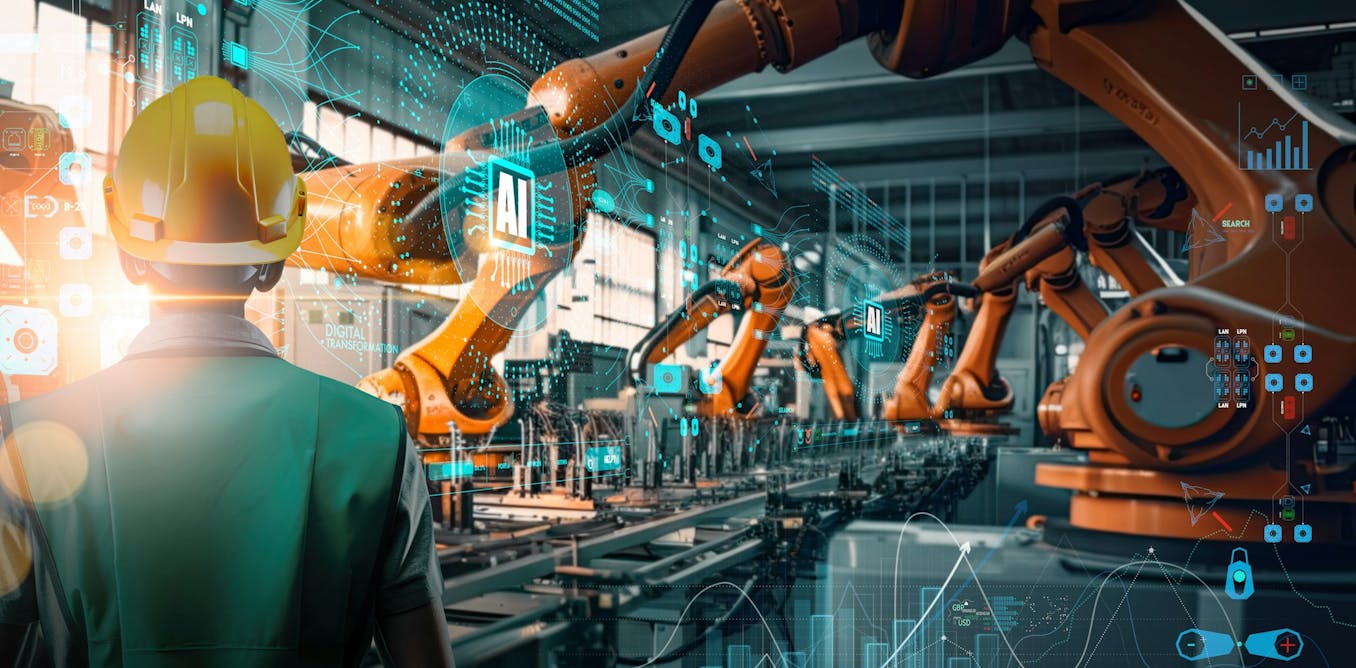
Canadian workplaces are rapidly adopting AI in occupational health and safety, with around 60% of employees likely to see job changes due to technologies like wearables, drones and predictive models. The article outlines applications — smart helmets, sensors, tele-operated robots — that can prevent injuries and predict long-term risks, while highlighting privacy, surveillance and regulatory gaps, including Canada's unpassed AIDA and lack of a digital safety regulator.
Key Points
- 1Reports indicate about 60% of Canadian jobs will be transformed by AI across industries
- 2AI-enabled wearables, drones and predictive models can reduce injuries and monitor occupational hazards in real time
- 3Policymakers need governance, impact assessments and worker consultation to protect privacy, autonomy and workplace rights
Scoring Rationale
High relevance and credible sourcing drive the score, while limited technical novelty and moderate actionability reduce overall impact.
Sources
Public references used for this report.
Practice with real Health & Insurance data
90 SQL & Python problems · 15 industry datasets
250 free problems · No credit card
See all Health & Insurance problems