
Britain Builds Fleet of Drone Command Warships
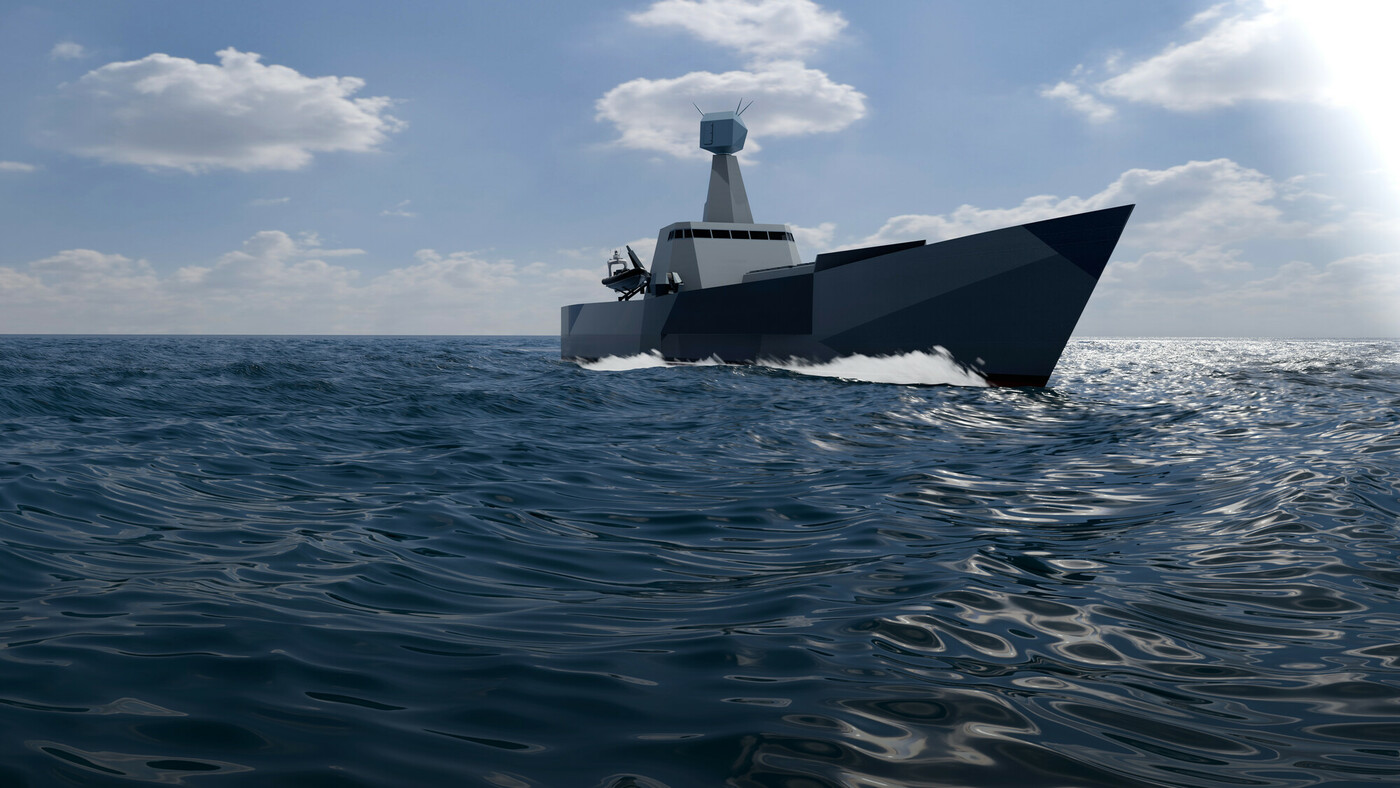
Britain will procure at least six Common Combat Vessels (CCVs) to serve as control hubs for uncrewed air, surface, and undersea systems, replacing earlier plans for a next-generation Type 83 destroyer, according to Reuters and the BBC. The CCVs will succeed the Royal Navy's six Type 45 air-defence destroyers, due to retire by the end of 2038, with delivery expected from the early 2030s. Defence Secretary Dan Jarvis is quoted saying: "These Common Combat Vessels will provide our dedicated sailors with hybrid ships that are designed and built for the increasing threats we face." For autonomy and robotics practitioners, the procurement formalizes demand for shipboard command-and-control, resilient communications, and standardized interfaces for heterogeneous uncrewed platforms at fleet scale.
For maritime-autonomy and systems-integration practitioners, the UK's decision is a procurement-level signal, not an engineering blueprint, but it operationalizes a broader industry pivot toward distributed, uncrewed-system command at fleet scale, and it names concrete companion platforms rather than staying abstract about what a "hybrid" navy means.
What happened
Reuters and the BBC report that Britain will procure at least six Common Combat Vessels (CCVs) to serve as control hubs for uncrewed systems across air, surface, and undersea domains, abandoning earlier plans for a Type 83 successor to the Royal Navy's six Type 45 destroyers, which are due to leave service by the end of 2038. Delivery of the CCVs is expected from the early 2030s, according to Reuters and the UK Defence Journal. Defence Secretary Dan Jarvis said: "These Common Combat Vessels will provide our dedicated sailors with hybrid ships that are designed and built for the increasing threats we face." The Ministry of Defence's announcement names four companion autonomous platforms: a Type 91 missile platform, a Type 92 underwater sensing platform, a Type 93 extra-large uncrewed underwater vehicle, and a Type 94 sensor platform, funded through the government's upcoming Defence Investment Plan (DIP).
Technical context
Framing the CCV as a "control hub" for heterogeneous uncrewed systems implies three engineering priorities common to mixed crewed-uncrewed maritime programmes: resilient command-and-control architectures that keep functioning under contested communications, standardized payload and interface definitions that enable plug-and-play autonomy across vendors, and distributed sensing and track fusion across the CCV and its Type 91-94 companion platforms. Shipboard deployment also implies hardened compute and communications stacks (satcom, line-of-sight datalinks, mesh networking), on-board mission re-tasking software, and cyber-resilience for supply-chain and update processes. These are industry-pattern observations about how navies typically approach mixed task groups, not claims about the UK programme's internal engineering choices.
Industry context
Public reporting ties the programme to North Atlantic deterrence and protection of undersea infrastructure, and notes export potential for the modular design. Modular, autonomy-friendly hulls can accelerate integration of third-party payloads, but similar defence procurements show they also raise testing and certification complexity across multiple vendors.
What to watch
Specification and delivery detail in the upcoming Defence Investment Plan, expected before the NATO summit in early July; tender documents or technical statements defining interface standards for uncrewed vehicles and C2 protocols; and whether the procurement favors specialist maritime-robotics firms or established shipyards, which will shape the supplier ecosystem.
Key Points
- 1Britain will procure at least six Common Combat Vessels as control hubs for uncrewed air, surface, and undersea systems, scrapping Type 83 destroyer plans.
- 2The Ministry of Defence names four companion platforms, Type 91 through 94, for missiles, underwater sensing, and extra-large uncrewed vehicles.
- 3For maritime-robotics integrators, the shift formalizes demand for resilient shipboard C2, standardized interfaces, and multi-domain sensor fusion.
Scoring Rationale
A concrete, multi-outlet-confirmed defence procurement decision that formalizes shipboard command-and-control demand for heterogeneous uncrewed systems at fleet scale; notable for maritime-robotics and autonomy practitioners though it is a procurement pivot rather than a technical breakthrough.
Sources
Public references used for this report.
View 5 more sources
- UK to replace fleet of destroyers with 'budget warships'news.sky.com
- Labour to replace Navy destroyers with smaller, cheaper shipstelegraph.co.uk
- Six new British warships will co-ordinate drones to repel Russiansthetimes.com
- Plans to replace ageing destroyers scrapped to make way for drones in 'hybrid Navy'independent.co.uk
- UK to buy drone command warships instead of new destroyersukdefencejournal.org.uk
Practice interview problems based on real data
1,625 SQL & Python problems across 15 industry datasets — the exact type of data you work with.
Try 250 free problems
