
Björn Ulvaeus Addresses AI, Copyright and Licensing
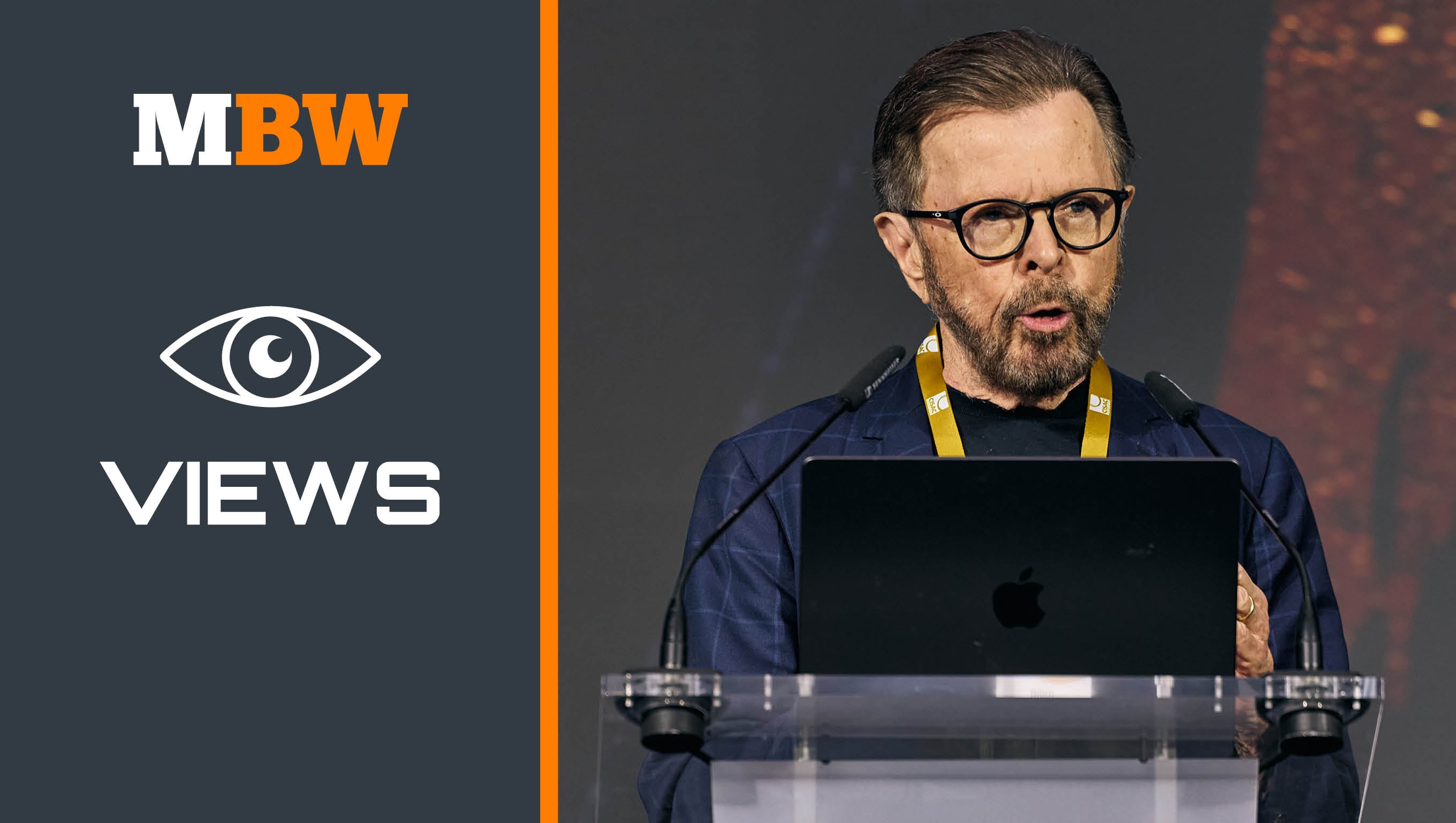
At the centenary General Assembly of the International Confederation of Societies of Authors and Composers (CISAC) in Paris on June 4, Bjorn Ulvaeus delivered a speech on AI and the future of creative rights, Music Business Worldwide reports. Ulvaeus said, "Human creativity is not just expression. It is testimony. A life lived." Music Business Worldwide also reports Ulvaeus said he uses AI in his songwriting and called it "a fantastic tool." He warned of a "fork in the road" tied to expected fair-use rulings involving Suno, saying, "If Suno wins, every licensing deal in the AI music space collapses. If it loses, licensing becomes the law of the land," according to Music Business Worldwide.
What happened
Music Business Worldwide published the text of a speech delivered on June 4 at the centenary General Assembly of the International Confederation of Societies of Authors and Composers (CISAC) by Bjorn Ulvaeus, the CISAC president and ABBA co-founder. Music Business Worldwide reports Ulvaeus said, "Human creativity is not just expression. It is testimony. A life lived." The article reports Ulvaeus also said he uses AI in his songwriting and called it "a fantastic tool."
What happened, continued
Music Business Worldwide reports Ulvaeus flagged a looming "fork in the road" tied to expected fair-use rulings in the US, referencing the Suno case. The article quotes Ulvaeus: "If Suno wins, every licensing deal in the AI music space collapses. If it loses, licensing becomes the law of the land." CISAC's official release adds that the assembly closed with the unveiling of the Paris Commitment, a declaration urging governments, technology companies, and cultural industries to keep human creators protected, recognised, and fairly remunerated in the AI era.
Editorial analysis - technical context
Industry observers note that prominent creators using AI while publicly stressing authorship exposes a persistent technical and metadata gap, namely provenance and contribution tracking for AI-assisted works. For practitioners, that gap complicates attribution, royalty calculation, and automated licensing when models ingest copyrighted catalogs without clear origin metadata.
Industry context
Industry observers frame the Suno and related fair-use cases as potential legal inflection points that could either codify licensing obligations or broaden permissive uses, with wide implications for rights holders, platforms, and model developers. Rights-management organizations and licensing bodies have been preparing frameworks for AI-related licensing; public commentary from a high-profile industry figure amplifies those stakes but does not substitute for court outcomes or statutory change.
What to watch
Observers will follow the Suno rulings and related decisions in the US and EU for legal precedent on training data and downstream use. Practitioners should also watch standards activity and metadata tooling from rights organizations and industry consortia that aim to reconcile AI-generated or AI-assisted music with existing licensing systems.
Key Points
- 1High-profile creators using AI while stressing human testimony highlight tensions between artistic practice and existing copyright frameworks.
- 2Industry observers: pending fair-use rulings like the Suno case could legally determine whether licensing becomes mandatory or permissive for AI music.
- 3For practitioners: provenance metadata and auditable contribution records are recurring requirements to reconcile AI-assisted works with royalty systems.
Scoring Rationale
A notable intervention by a prominent creator and CISAC president raises the visibility of legal stakes around AI training and music licensing. The story matters for rights workflows and platform policies, though ultimate impact depends on forthcoming court rulings.
Sources
Public references used for this report.
Practice interview problems based on real data
1,625 SQL & Python problems across 15 industry datasets — the exact type of data you work with.
Try 250 free problems
