Big Tech Struggles With AI Gadget Use Cases
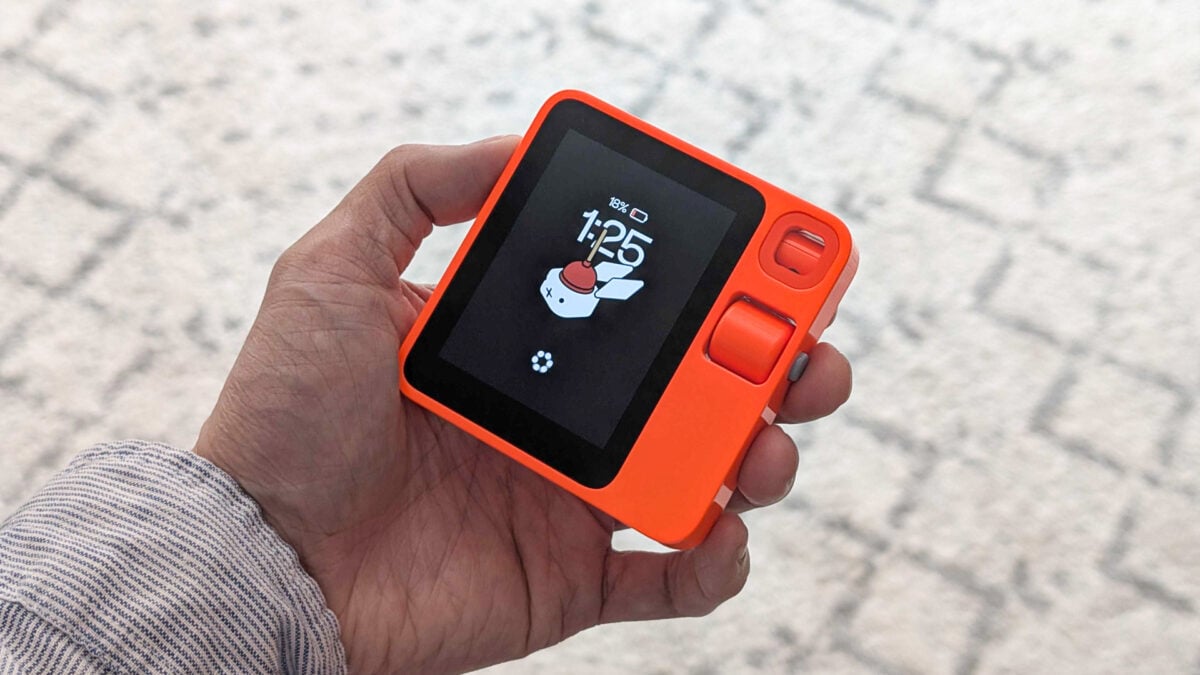
At its Build 2026 conference, Microsoft demonstrated a wearable AI "badge" - roughly ID-card sized, worn on a lanyard - fitted with a touchscreen, fingerprint reader, Wi-Fi and 5G, a microphone, and a camera, according to Gizmodo and GeekWire. Microsoft technical fellow Steven Bathiche unlocked it by fingerprint, then pointed its camera at the audience and asked Copilot to capture, clean up, and send photos. The badge is part of Project Solara, Microsoft's agent-first device platform that runs AI agents in place of traditional apps; Microsoft says companies including AccuWeather, Best Buy, CVS Health, Levi's, and Target are expected to pilot Solara-based devices. Gizmodo situates the badge amid earlier AI pins and pendants and questions whether such gadgets have found a clear daily-use case - a recurring doubt about always-on, body-worn AI hardware.
What happened
At its Build 2026 developer conference, Microsoft demonstrated a wearable AI "badge," a device about the size of an ID card that clips on or hangs from a lanyard, according to Gizmodo and GeekWire. Microsoft lists on-board hardware including a touchscreen, fingerprint reader, Wi-Fi and 5G, a microphone, and a camera. Technical fellow Steven Bathiche unlocked the badge with his fingerprint, aimed its camera at the audience, and asked Copilot to "find some good shots from this, clean them up, and then send them to me for me and my team to review."
Technical details
The camera is meant to give an AI agent visual context about the user's surroundings, so it can respond to what it sees as well as to typed or spoken commands. The badge is part of Project Solara, Microsoft's agent-first device platform built around off-the-shelf components and agents that replace conventional apps; Microsoft says companies including AccuWeather, Best Buy, CVS Health, Levi's, and Target are expected to pilot Solara-based devices in the coming months. Coverage notes Microsoft did not publish task success rates, latency, or on-device versus cloud processing details.
Industry context
Editorial analysis
Consumer AI wearables - pins, pendants, and now badges - have repeatedly bundled microphones, cameras, and connectivity without settling on a clear daily-use case, and several high-profile devices have struggled commercially. Recurring concerns include privacy and consent for always-on cameras and microphones, battery life, and UX friction, all of which shape data-collection design and edge-cloud partitioning for teams building such products.
What to watch
Signals that would clarify the value proposition include published user studies or demos with end-to-end task-success rates, documented privacy and consent controls, latency and battery benchmarks for typical workflows, and whether the Solara pilots convert into shipping products. Developer guidance or SDKs that constrain raw sensor access or mandate on-device processing for sensitive inputs would also indicate how seriously Microsoft is treating privacy.
Key Points
- 1Microsoft showed a camera-equipped wearable AI "badge" at Build as part of Project Solara, an agent-first device platform meant to run agents instead of apps.
- 2Named early pilots - AccuWeather, Best Buy, CVS Health, Levi's, and Target - signal an enterprise go-to-market, even as coverage questions consumer use cases.
- 3Editorial analysis: For engineers building body-worn AI, privacy and consent flows, battery and thermal limits, and edge-cloud partitioning tend to decide viability more than raw model capability.
Scoring Rationale
Microsoft's wearable AI badge and the Project Solara device platform, with named enterprise pilots and broad coverage, are a solid strategy signal about post-smartphone AI hardware rather than a developer release with benchmarks. The skeptical framing around unproven use cases tempers the score, but the platform context and pilot partners lift it above marginal.
Sources
Public references used for this report.
Practice with real Ad Tech data
90 SQL & Python problems · 15 industry datasets
250 free problems · No credit card
See all Ad Tech problems