Backrooms Frames Liminal Horror as AI Era Dread
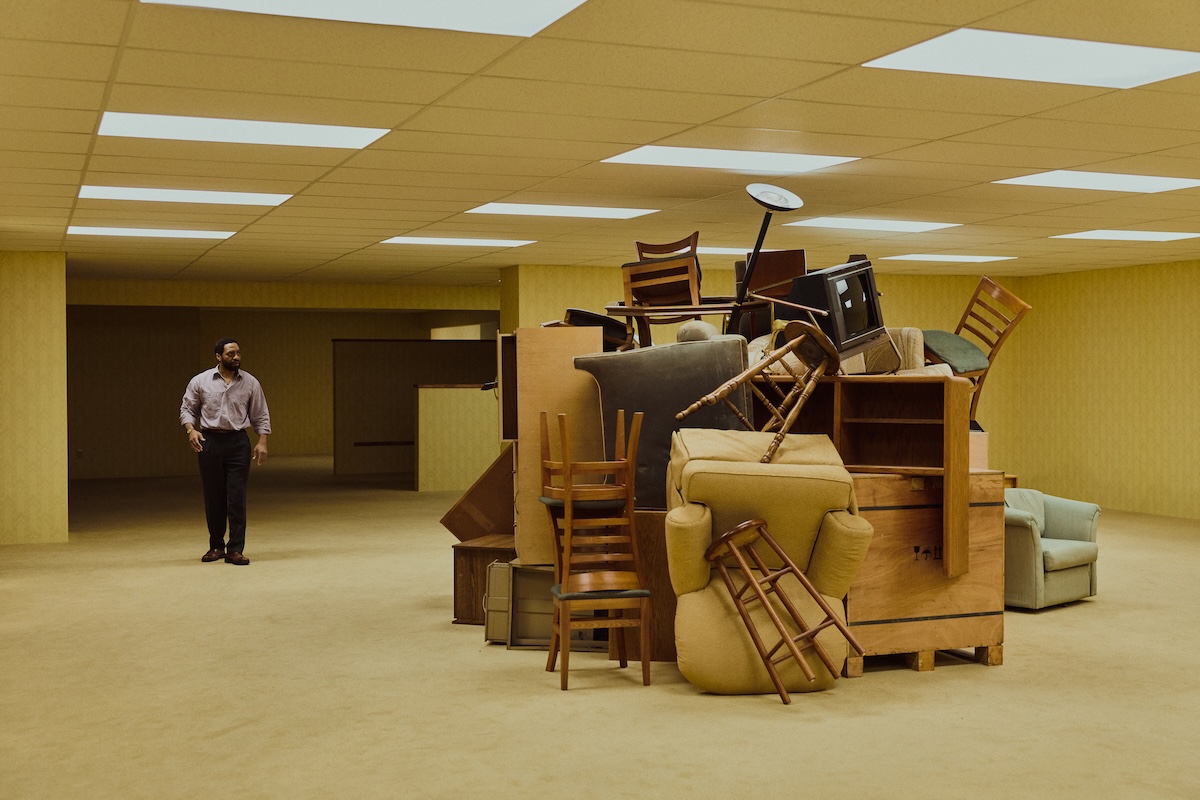
A24's film Backrooms, directed by Kane Parsons, expands the viral YouTube backrooms shorts into a feature starring Chiwetel Ejiofor and Renate Reinsve. The LA Times reports Parsons is 20 and adapted material he developed online; The Atlantic and Deadline trace the film's origins to viral internet lore and Parsons' online shorts. Critic pieces vary: Den of Geek argues the film captures the "uncanny inhumanity of AI" and calls it the first horror movie of the AI era, while The Ringer offers a more mixed read on its thematic depth. Reviewers consistently highlight the film's use of liminal spaces and banal mise-en-scene to generate dread.
What happened
A24 released the feature film Backrooms, directed by Kane Parsons, an adaptation of the viral short-form backrooms material Parsons developed online, according to The Atlantic and Deadline. The film features performances from Chiwetel Ejiofor and Renate Reinsve (reported by multiple reviews including LA Times and Deadline). The LA Times notes Parsons is 20 years old and that he expanded a widely viewed online series into a studio-backed feature. Den of Geek frames the film as capturing the "uncanny inhumanity of AI," even calling it the first horror movie of the AI era.
Editorial analysis - technical context
Industry-pattern observations: filmmakers translating internet-native aesthetics into feature films often rely on a handful of recognizable visual tropes-here, liminal spaces (carpeted office rooms, drop ceilings, fluorescent lighting) and subtle anatomical distortions-to evoke existential dread. Critics cite painstaking production design and cinematography across reviews in LA Times, Deadline, and Fangoria, which is consistent with how low-anxiety, high-precision visuals are used to produce sustained unease in contemporary horror.
Context and significance
The film sits at the intersection of internet-born folklore and mainstream genre cinema. The Atlantic and Deadline document Parsons' online trajectory from shorts to theatrical release, reflecting a broader pattern where platform-native creators are being courted by established indie studios. Den of Geek's interpretation-that the movie resonates with AI-era anxieties-places the film in a cultural conversation about automation, alienation, and the uncanny. The Ringer's critique that the film sometimes remains on the surface of its themes underscores a split among reviewers about whether stylistic eeriness equals thematic closure.
What to watch
Observers should watch how trade coverage and box-office reporting frame Parsons' transition from viral creator to studio director, and whether audience response aligns with critic discourse about AI-era resonance. Also note coverage of critical metrics such as aggregate review scores reported by outlets like Forbes and early festival/preview reactions from Fangoria and joblo.com for signals about wider acceptance.
Quotes and provenance
Per The Atlantic, Parsons described his early engagement with the backrooms image as "It's nothing ... But it's also kind of giving us everything." Den of Geek's piece explicitly argues the film channels contemporary AI-era unease; The Ringer and LA Times provide contrasting critical takes on how fully the film realizes that premise.
Bottom line
Reporting across mainstream outlets documents a clear path from viral short to A24 feature and surfaces a timely cultural reading of the film as resonant with AI-era anxieties. Industry observers will likely treat Backrooms as a test case for how internet aesthetics and platform-native talent translate into genre filmmaking.
Key Points
- 1Backrooms adapts viral internet lore to a studio feature, showing how platform-native creators are entering mainstream cinema.
- 2Critics emphasize liminal spaces and banal mise-en-scene as the film's main device for producing existential dread tied to AI-era unease.
- 3Reviews split on depth versus style, making the film a useful case study for translating online aesthetics into theatrical storytelling.
Scoring Rationale
Cultural coverage of an internet-originated property moving to studio distribution is notable for media and creative-tech observers but has limited direct technical relevance for most AI/ML practitioners. The story matters for understanding how AI-era anxieties surface in popular culture and how platform-native creators enter mainstream production.
Sources
Public references used for this report.
View 9 more sources
- The New Auteur of the Hallucinated Hellscapetheatlantic.com
- ‘The Backrooms’ Horror Flick Could Beat ‘The Mandalorian And Grogu’ At Weekend Box Officeforbes.com
- BACKROOMS Review: Kane Parsons Turns his YouTube Project into a Wicked Liminal Terrorfangoria.com
- New movies to watch this weekend: See 'Backrooms' in theaters, rent 'Fuze,' stream 'Dead Man's Wire'yahoo.com
- Backrooms Review: An Eerie Exercise in "Liminal Horror"joblo.com
- In Review: ‘Backrooms,’ ‘Pressure,’ ‘Power Ballad’thereveal.film
- 6 Liminal Movies You Should Watch If You Love 'Backrooms'nofilmschool.com
- The Viral Internet Sensation Is Now An A24 Horror Movie - IMDbimdb.com
- People are getting lost in the real-life 'Backrooms' - Inven Globalinvenglobal.com
Practice interview problems based on real data
1,625 SQL & Python problems across 15 industry datasets — the exact type of data you work with.
Try 250 free problems