Author Frames AI Failures as Moral 'Sin'
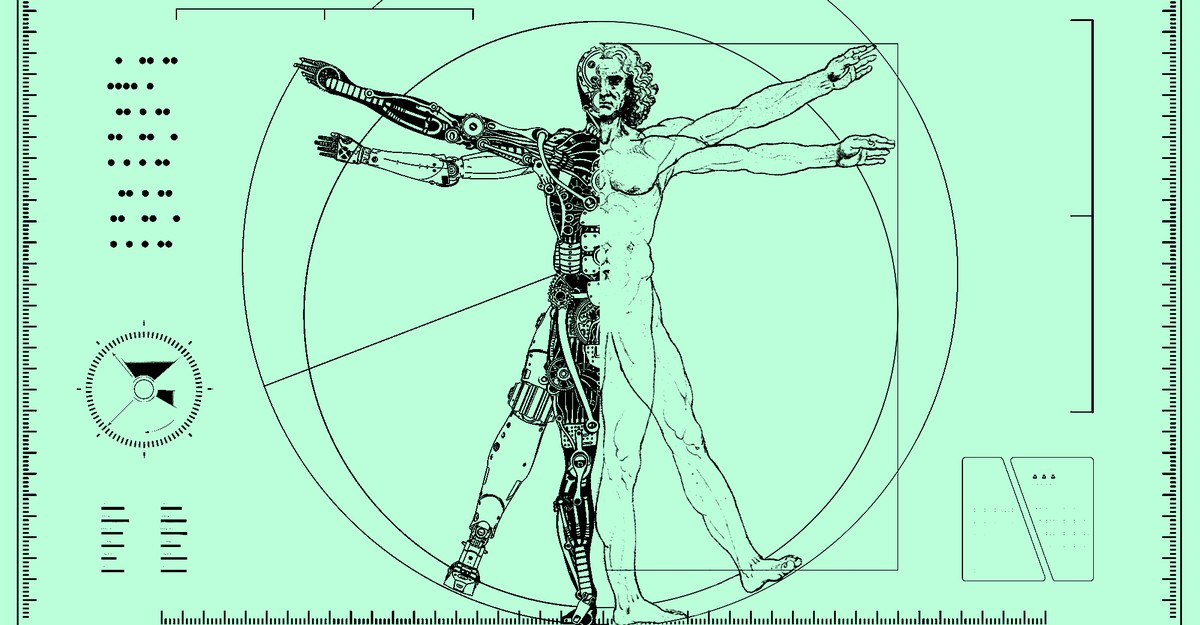
The Atlantic published a feature arguing that the word "sin" best captures the deep moral failures introduced by modern artificial intelligence, using examples of dehumanizing products and commercial behaviour, per The Atlantic. The piece links that framing to a broader religious vocabulary invoked in recent commentary, including Pope Leo XIV's encyclical Magnifica Humanitas, issued May 15, 2026, which addresses safeguarding the human person in the time of AI, per the Holy See. Religious commentators responded: Rev. James Martin wrote a review in America Magazine describing the encyclical as a sharp critique of capitalism's neglect of human dignity, and Word on Fire published an exegesis highlighting theological themes from the encyclical, per their respective outlets. This religious moral framing sharpens ethical language around AI, potentially influencing public debate and policy discussions.
What happened
The Atlantic published a feature-length piece that urges the use of the word "sin" to describe what its author calls the deep moral failures produced by contemporary artificial intelligence, referencing targeted products and commercial practices as examples, per The Atlantic. The Vatican released an encyclical, Magnifica Humanitas, on May 15, 2026, subtitled a letter on "safeguarding the human person in the time of artificial intelligence," per the Holy See. Commentary followed in faith media: Rev. James Martin, S.J., reviewed the encyclical in America Magazine and described it as a coherent Catholic critique of capitalism that centers human dignity, per America Magazine. The Catholic organization Word on Fire published an extended reflection that quotes the encyclical and situates its concerns within classical theological themes, per Word on Fire.
Technical details
Editorial analysis - technical context: None of the sources presents new technical research or model-level claims. The coverage is exclusively normative and theological. Practitioners should note that the language at issue is not about model architecture or benchmarks but about moral categories-terms like sin, human dignity, and moral responsibility-that shape ethical discourse and governance debates.
Context and significance
Editorial analysis: Religious authorities using moral terminology formalizes a vocabulary that can migrate into civic and regulatory debates. Historically, when organized religion issues a public document with ethical prescriptions or critiques, policymakers, NGOs, and some institutional purchasers have cited that moral language in debates over regulation, procurement standards, and public communications. The encyclical's emphasis on human dignity and critiques of market practices, as described by Rev. James Martin, places theological concerns in conversation with economic and social critiques of AI-driven business models, per America Magazine.
Implications for practitioners
Editorial analysis: For data scientists, ML engineers, and AI product managers, this shift matters primarily because it changes the public frame for evaluating harms. When commentators describe certain AI product behaviours using moral-laden terms rather than technical failure modes, discussions of acceptable trade-offs, disclosures, and remediation can move from engineering language (bias, robustness, privacy) to ethical language (exploitation, commodification, dignity). That shift tends to increase reputational sensitivity and to broaden the set of stakeholders who claim standing in governance conversations.
What to watch
- •Whether secular regulators or legislative bodies adopt language from the encyclical or religious commentary when drafting AI safeguards or procurement rules.
- •Corporate responses in ethics statements or product governance literature that explicitly invoke "human dignity" or similar moral categories.
- •Coverage in mainstream media and policy think tanks that shifts from technical critiques to moral framing, which may affect public sentiment and lobbying.
Bottom line
Editorial analysis: The Atlantic and faith-based commentators are advancing a moral vocabulary for AI that emphasizes existential and dignity-based harms. That vocabulary does not change model internals, but it can shape the institutional and public arenas where practitioners will later defend technical choices or respond to regulation.
Key Points
- 1The Atlantic uses the term "sin" to describe AI's moral harms, shifting discourse from technical harms to moral language and public narrative.
- 2Pope Leo XIV's encyclical, Magnifica Humanitas, frames AI debates around human dignity, elevating theological critique into policy-relevant vocabulary.
- 3Industry observers note moral framing tends to broaden stakeholder pressure, increasing reputational and governance scrutiny for AI practitioners.
Scoring Rationale
The story elevates moral and theological framing of AI harms, which can influence public debate and regulatory language relevant to practitioners. It is notable for shaping discourse but does not introduce new technical or regulatory actions.
Sources
Public references used for this report.
Practice interview problems based on real data
1,625 SQL & Python problems across 15 industry datasets — the exact type of data you work with.
Try 250 free problems