Researchbioactive compoundswound carenative flora
Australian Honeys Demonstrate Potent Antimicrobial Activity
7.2
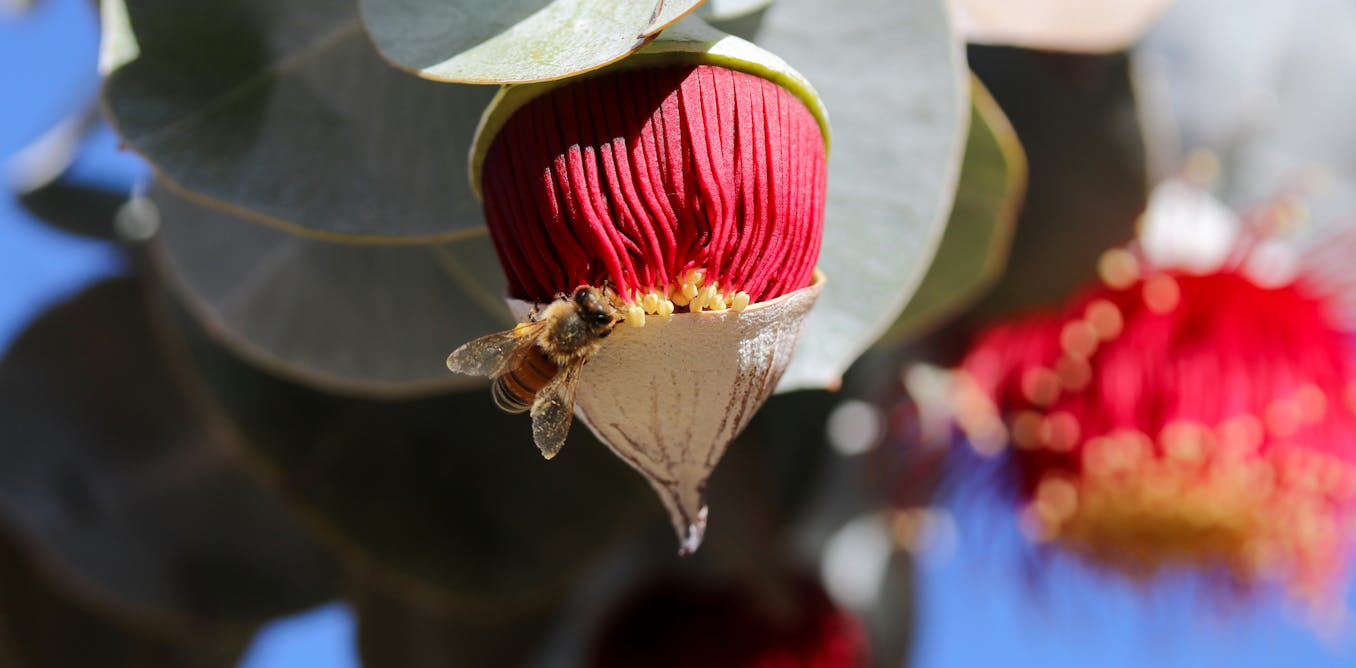
A study published in MicrobiologyOpen tested 56 honey samples from over 35 New South Wales apiaries against Staphylococcus aureus and E. coli. More than 75% of samples inhibited bacterial growth at dilutions of 10% or less, with mixed-floral native honeys showing greatest potency linked to hydrogen peroxide, plant phenolics, and antioxidants. Results indicate floral diversity and bee health enhance honey's potential for topical antimicrobial use.
Key Points
- 1Demonstrate: 56 Australian native-flora honeys inhibited S. aureus and E. coli, ≥75% effective at ≤10% concentration
- 2Show: mixed-floral honeys contain diverse bioactives (H2O2, phenolics, antioxidants) producing multi-target antimicrobial effects
- 3Suggest: floral diversity and bee health should be prioritized to produce more potent therapeutic honeys
Scoring Rationale
Peer-reviewed study with actionable antimicrobial findings and industry relevance; limited novelty beyond existing medicinal-honey literature.
Practice interview problems based on real data
1,625 SQL & Python problems across 15 industry datasets — the exact type of data you work with.
Try 250 free problems