Australian Dock Workers Demand 28-Hour Week Over AI
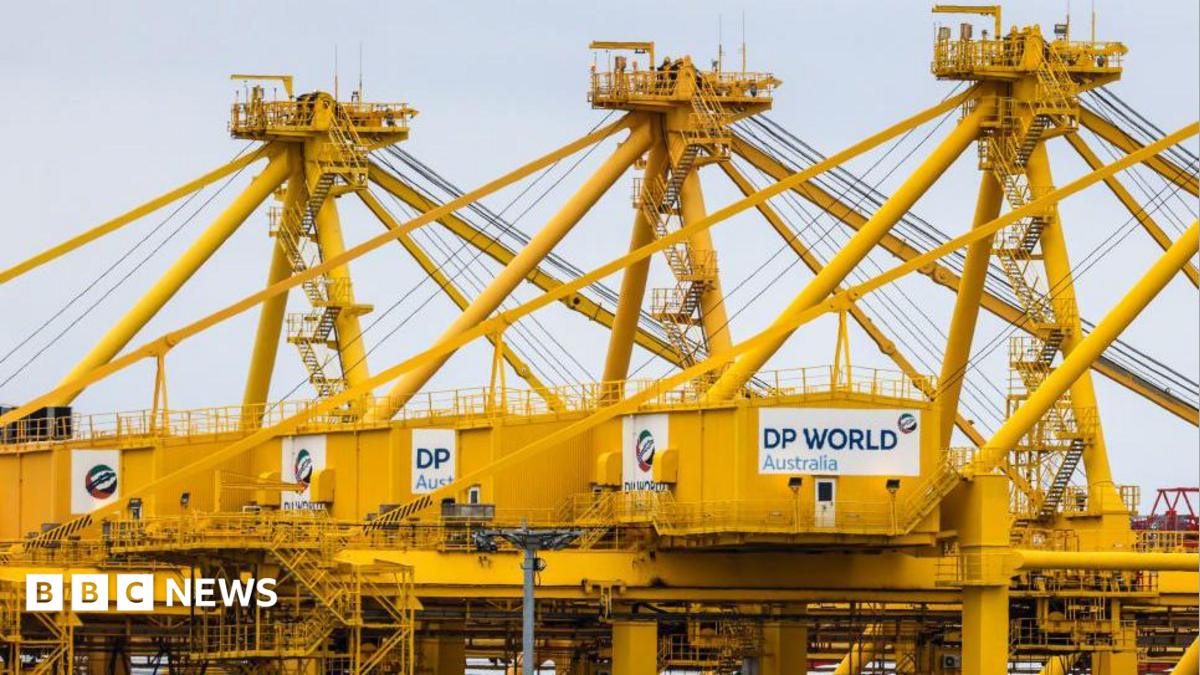
Australia's Maritime Union of Australia is demanding a 28-hour week with no loss of pay in July 2026 talks over DP World AI and automation at container terminals. BBC, AFR, and Bloomberg reporting say the demand is tied to DP World's push for remote-control cranes, driverless vehicles, and AI-assisted workforce management. The highest-stakes labor number should stay attributed: MUA/CICTAR materials estimate up to 1,000 jobs, or more than 60% of affected dock and maintenance roles, could be exposed. For AI practitioners, the signal is that industrial automation timelines depend on bargaining rights, safety approvals, and workforce-compensation design as much as model or robotics readiness.
Port automation is not just a robotics or scheduling problem here; the deployment risk is a labor, safety, and governance problem. The useful LDS takeaway is that AI systems entering critical infrastructure may need designs that survive bargaining, consultation, and public-interest review before they can scale.
What happened
BBC, AFR, and Bloomberg reported that the Maritime Union of Australia is demanding a 28-hour week with no loss of pay as a condition in talks over DP World's AI and automation plans at Australian container terminals. The reporting says the dispute involves proposed remote-control cranes, driverless vehicles, and AI-assisted workforce management. BBC also reports DP World handles about 40% of Australia's container shipments. The 1,000-job and 60% exposure figures come from MUA/CICTAR materials and should be treated as union-linked estimates, not independent regulator findings.
Policy context
The union and CICTAR frame the automation plan as a workforce, tax, and supply-chain sovereignty issue, while DP World has not provided a public counterstatement in the sources checked for this audit. That asymmetry matters: the labor-side documents are useful for understanding claims and technical scope, but high-impact job-loss and tax claims need explicit attribution until independently confirmed.
For practitioners
For ML and operations teams, the practical lesson is to build automation programs with phased rollouts, human-in-the-loop fallbacks, auditable decision logs, and staffing transition options. In ports and other safety-critical industrial settings, a technically ready model can still be blocked if workers, regulators, or arbitration panels cannot inspect how rostering, remote control, and vehicle automation decisions are made.
What to watch
Track whether the consultation process changes the technical scope, especially remote-control crane and driverless-vehicle deployment, and whether DP World issues a detailed public response. Also watch whether Australian regulators or arbitration bodies require specific documentation, safety evidence, or worker protections; those conditions would be more useful to practitioners than the headline labor demand alone.
Key Points
- 1The MUA demand shows workforce consultation can become a gating dependency for port AI and automation rollouts.
- 2The 1,000-job estimate comes from union-linked CICTAR materials, so high-impact labor claims need careful attribution.
- 3ML teams should plan phased operations, audit logs, and fallback staffing models when automation touches safety-critical work.
Scoring Rationale
Notable policy and operations story because it links AI automation in critical infrastructure to labor bargaining, safety approvals, and public-interest review. The impact remains below major-market level because the job-loss figures are union-linked estimates and there is not yet a formal regulatory or company decision.
Sources
Public references used for this report.
Practice with real Ad Tech data
90 SQL & Python problems · 15 industry datasets
250 free problems · No credit card
See all Ad Tech problems