Ash Koosha Debuts AI-Generated Film at Tribeca
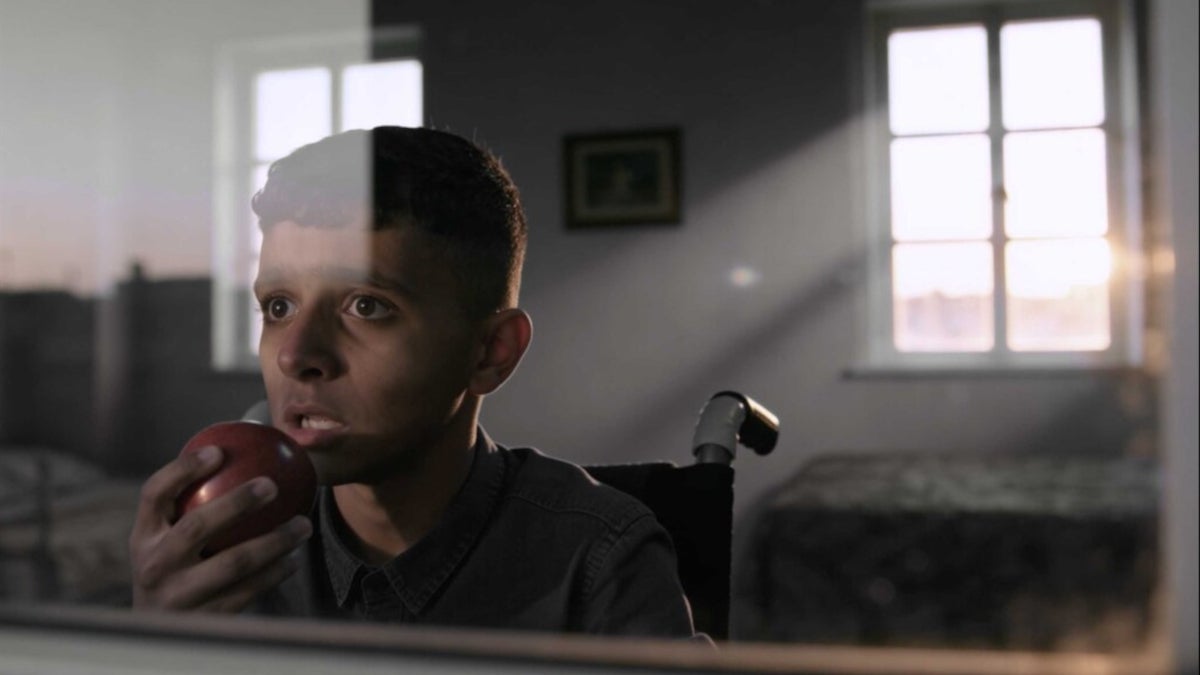
Brothers Ash and Pooya Koosha premiered Dreams of Violets, a 75-minute fully AI-generated drama about Iran's January 2026 protests, at the Tribeca Film Festival on June 10, 2026. Variety and Hollywood Reporter describe it as the first fully AI-generated live-action feature accepted at a major festival. The Koosha brothers created the film under Fountain 0, an AI studio Ash leads as CEO; Pooya co-founded the company and produced. Fountain 0 reports the production took roughly three months and cost approximately $2,000, using Kling AI for video generation, Anthropic's Claude for language and editing, Google's Gemini and Nanobanana for research and imagery, and Fountain 0's own technology for blocking and frame accuracy. Critical response was sharply mixed: TheWrap and the Financial Times flag aesthetic and ethical limitations, while The Guardian emphasizes the low-cost workflow as evidence of a democratizing shift in filmmaking.
What Happened
Brothers Ash and Pooya Koosha premiered Dreams of Violets, a 75-minute fictional drama about Iran's January 2026 protests, at the Tribeca Film Festival on June 10, 2026. The Koosha brothers, Iranian-born and based in London and Menlo Park respectively, created the film under Fountain 0, an AI film studio. Ash serves as CEO and director; Pooya co-founded the company and produced. Per Variety and Hollywood Reporter, the Tribeca premiere marks the first time a fully AI-generated live-action feature has been accepted at a major film festival.
Production Pipeline
Fountain 0 reports the film was built in roughly three months for approximately $2,000. The AI tool stack, confirmed across multiple trade publications, includes: Kling AI for video generation; Anthropic's Claude for language and editing tasks; Google's Gemini and a tool called Nanobanana for research and imagery; and Fountain 0's own proprietary technology for blocking and frame accuracy. Tom Rogers, Fountain 0's executive chairman, has described the low-cost approach as a way to democratize high-quality filmmaking for independent creators, per CryptoBriefing.
Subject Matter
The film dramatizes civilian resistance during the January 2026 Iranian protests, a period in which international organizations estimated the civilian death toll at over 7,000. All characters and images are fully AI-generated, based on journalistic reports, photographs, and eyewitness accounts. The Guardian attributes to Ash Koosha: "I would say 80% of it is a recreation of events that actually happened," and separately reports he deliberately avoided modeling characters on living people, quoting him: "Because of the security issue, it would not be safe for the characters to even remotely resemble someone."
Critical Reception
Response after the June 10 premiere was sharply mixed. TheWrap describes the film as fractured vignettes and reports it landed "with a thud rather than a revolutionary bang," flagging the limits of current AI tools in rendering political trauma convincingly. The Financial Times was similarly critical, characterizing the result as slop. The Guardian highlighted the film's novelty and low-cost workflow as a democratizing force, while also noting audience and festival hesitancy toward fully AI-generated work.
What to Watch
Three indicators will shape how this story develops for AI and data practitioners: first, whether Fountain 0 discloses model versions, training-data provenance, and prompt engineering; second, how Tribeca and other major festivals develop explicit policies for AI-generated submissions; and third, whether character anonymization becomes an industry safety norm in politically sensitive AI productions. Rights-clearance procedures for the visual training data remain an open legal and ethical question not addressed in current coverage.
Key Points
- 1Fountain 0's Dreams of Violets is the first fully AI-generated live-action feature accepted at a major festival, premiering at Tribeca 2026.
- 2The $2,000 production used Kling AI, Anthropic's Claude, Google's Gemini, and Nanobanana -- a documented multi-tool AI filmmaking pipeline.
- 3Mixed critical reception and festival acceptance will push distributors and programmers to set clearer norms for AI-generated film submissions.
Scoring Rationale
Dreams of Violets is a documented milestone: the first fully AI-generated live-action feature accepted at a major festival, with a verified multi-tool pipeline (Kling AI, Claude, Gemini) and a $2,000 production cost that signals meaningful economics for independent AI filmmaking. Broad trade and mainstream coverage and concrete policy questions for festival programmers justify the Notable range. Score pulled modestly from 6.9 to 6.6 to reflect an entertainment-industry-skewed story for an AI/DS-practitioner audience.
Sources
Public references used for this report.
View 5 more sources
- AI-Generated Drama 'Dreams Of Violets' To Premiere At Tribeca Festivaldeadline.com
- First Trailer for Fully AI-Generated Movie 'Dreams of Violets,' Premiering at Tribecathewrap.com
- 'Dreams of Violets' Is an All-AI Film Premiering at Tribecarollingstone.com
- AI-generated film about Iran protests turns tragedy into slopft.com
- Dreams of Violets to World Premiere at Tribeca Festival as the First Feature-Length, Live-Action Film Completely Generated by AI Accepted to a Major Film Festivalbusinesswire.com
Practice interview problems based on real data
1,625 SQL & Python problems across 15 industry datasets — the exact type of data you work with.
Try 250 free problems