Artist Sues Memes Apps Over AI Ad Templates
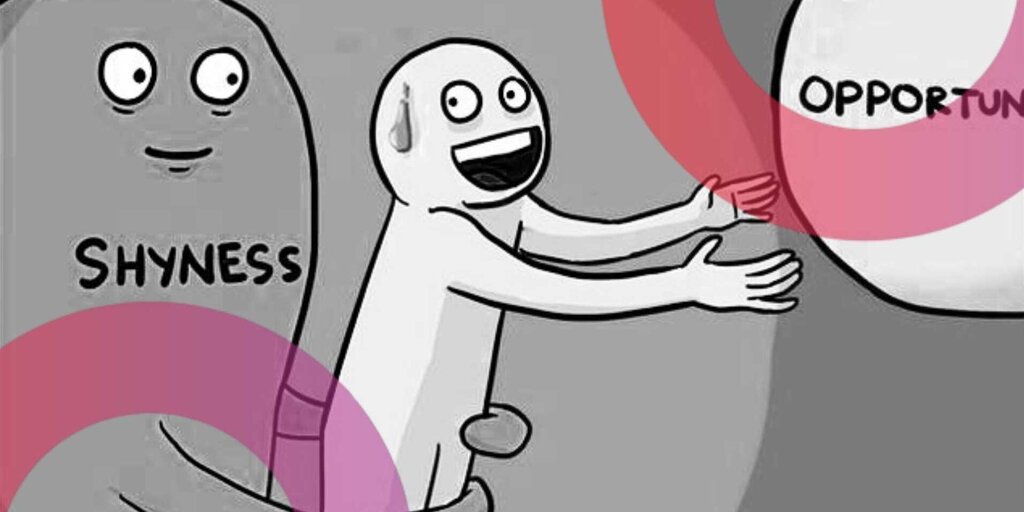
Philippines-based artist Elmer Saflor filed a copyright lawsuit against Memes Apps on July 1, alleging that its paid AI meme service offered his "Running Away Balloon" comic as a searchable template for commercial advertisements without permission. The complaint seeks an injunction and damages, according to Dexerto. The case centers on an allegedly stored, subscriber-accessible template rather than a claim about AI training data.
Philippines-based artist Elmer Saflor, known online as Superelmer, filed a copyright infringement lawsuit against Memes Apps on July 1 in the US District Court for the Central District of California. The complaint alleges that the company made Saflor's "Running Away Balloon" comic available as a paid template in AI-powered advertising tools operated under the Memes.ai and Memes AI Studio brands.
According to Dexerto, Saflor alleges that subscribers could search for the template by name and use it to create ads and other commercial content. Ars Technica reports that Memes Apps sells subscriptions to an ad generator that allegedly outputs copies of the comic without Saflor's permission. The allegations have not been adjudicated.
The two-panel comic became a widely used internet meme after its 2017 release. It depicts Saflor's Superelmer character reaching toward a yellow balloon labeled "opportunities," while a pink figure labeled "shyness" restrains him, Gizmodo reports. Dexerto reports that Saflor registered the work with the US Copyright Office on March 21, 2024, under registration number VA 2-397-201.
A dispute over template distribution
The complaint focuses on the alleged commercial availability of a specific work in a template library, rather than alleging that the comic was used as model-training data. That distinction could make the factual questions more concrete: whether the work appeared in the catalog, how users could find and modify it, and whether Memes Apps had a license or other authorization.
Dexerto reports that the complaint alleges Saflor "has never licensed, sold, authorized or in any way provided permission" for the defendant to reproduce, distribute, display, create derivatives of, or otherwise use the work. The filing seeks a permanent injunction, actual and statutory damages for alleged willful infringement, disgorgement of profits, attorneys' fees, and other relief, according to Dexerto.
Ars Technica reports that Saflor did not contact Memes Apps before filing and had not seen examples of ads generated from the comic. Saflor told Ars that he brought the suit to pursue discovery and raise broader questions over platforms' use of creators' work, licensing obligations, and copyright when viral internet culture is commercialized.
Relevance for AI content tools
For developers of generative creative tools, the case illustrates a legal distinction that can matter independently of contested training-data questions. A model's learned behavior may be difficult to trace to a particular source work, while an indexed template catalog can create records of storage, search, subscription access, and commercial use.
Companies offering comparable template-based generation systems commonly face different rights-management requirements from companies whose tools only generate novel outputs from prompts. Catalog provenance, license records, creator opt-out processes, access controls, and audit logs can become relevant evidence when a copyrighted asset is allegedly made available to paying users.
The lawsuit also concerns a familiar operational boundary in AI product design: a platform may combine generative features with retrieval of pre-existing media assets. In disputes involving that design, a court's assessment can turn on the specific user experience and distribution mechanisms alleged in the complaint, rather than on generalized claims about AI generation.
Memes Apps operates Memes.ai and Memes AI Studio, according to Ars Technica and Dexerto. The reports provided do not describe a response from Memes Apps to the lawsuit.
Key Points
- 1Saflor's complaint alleges a named copyrighted comic was searchable in a subscriber-only commercial template catalog, creating a dispute separate from model-training claims.
- 2The requested injunction, damages, profit disgorgement, and fees place the alleged template distribution and subscription revenue at the center of the case.
- 3Comparable AI content platforms often need provenance records and license controls when generative workflows retrieve or modify pre-existing creative assets.
Scoring Rationale
The lawsuit is a relevant copyright-risk case for teams building AI creative products that combine generation with template libraries. Its claims remain untested and concern a specific provider and asset, limiting immediate ecosystem-wide impact, but the alleged searchable catalog design raises practical provenance and licensing questions.
Sources
Public references used for this report.
Practice interview problems based on real data
1,625 SQL & Python problems across 15 industry datasets — the exact type of data you work with.
Try 250 free problems