Apple Unveils Siri AI Overhaul in iOS 27
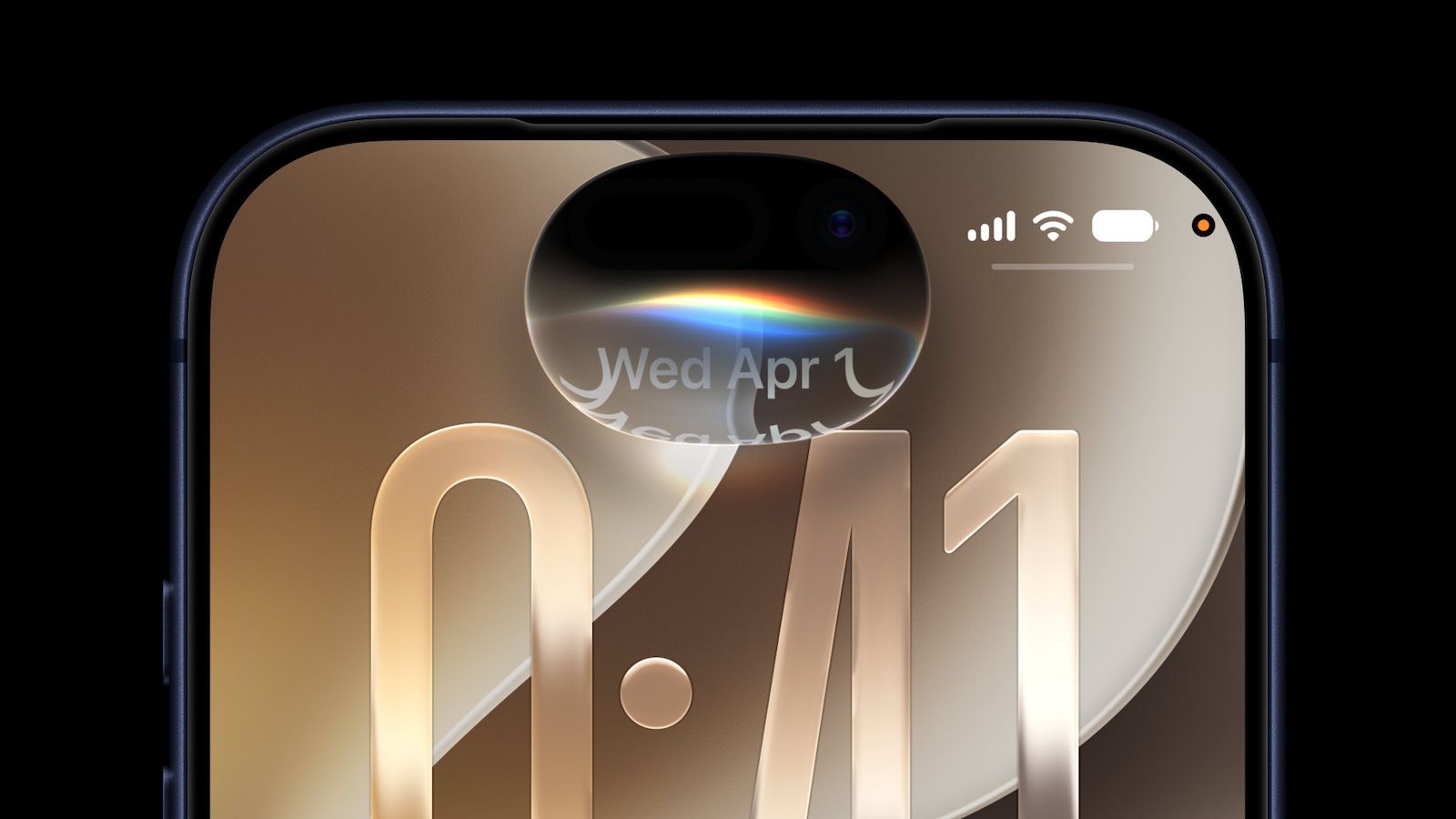
Apple introduced Siri AI as part of iOS 27, describing it as "a profoundly more capable and conversational assistant," per Apple's June 8 press release. According to that press release, Siri AI adds personal context understanding, onscreen awareness, broad world knowledge, a dedicated conversations app, expanded Visual Intelligence, and integrated writing tools. Apple said Siri AI is available for developer testing immediately and will be available as a beta to users later this year, per the press release. Reporting from The Next Web and Bloomberg, cited by MacRumors, shows an iOS 27 developer beta contains an Extensions framework that would let users pick third-party models such as ChatGPT, Claude, or Google's Gemini, but the Extensions UI is not public and appears toggled off. 9to5Mac reports Mike Rockwell said Apple "tore [Siri] to the ground, rebuilt it from the ground up" to deliver the overhaul. For practitioners, the combination of personal-context access, a dedicated conversations app, and prospective third-party extensions raises practical privacy, data-access, and interoperability questions commonly encountered in comparable deployments.
What happened
Apple introduced Siri AI as part of iOS 27, presenting it as "a profoundly more capable and conversational assistant," according to Apple's June 8 press release. The press release states Siri AI supports personal context understanding (searching a user's Mail, Messages, Photos, Files, and Notes), onscreen awareness, broad world knowledge via web access, a dedicated Conversations app, expanded Visual Intelligence, and integrated writing tools. Apple said Siri AI is available for developer testing immediately and will be available as a beta to users later this year, per the press release. 9to5Mac reports Mike Rockwell told press that Apple "tore [Siri] to the ground, rebuilt it from the ground up" to create the new assistant.
Technical details
Reporting by The Next Web and coverage cited by MacRumors and Bloomberg indicate the iOS 27 developer beta contains an Extensions framework and a settings panel that would allow users to switch between third-party models, with vendors such as OpenAI, Anthropic, and Google discussed in Apple conversations, per Bloomberg/Gurman reporting. The Next Web describes Siri AI as built on Apple's next-generation Apple Intelligence and reports an internal deployment that uses a custom, large Gemini model running on Nvidia Blackwell GPUs in Google Cloud; those infrastructure details are reported by The Next Web and Bloomberg, not by Apple's press release.
Editorial analysis - technical context
Companies building assistants that fuse personal context with web knowledge commonly confront three engineering domains: secure data indexing and retrieval, query routing between local device compute and cloud models, and fine-grained access controls for app-level data. Industry-pattern observations: teams integrating similar assistant capabilities typically invest in semantic indexing, provenance tagging, and sandboxed tool APIs to limit sensitive-data exposure while preserving utility.
Context and significance
Apple's move bundles assistant capability, personal-app access, and a conversations UI into the OS ecosystem, increasing the integration surface for developers and model vendors. Reporting that an Extensions toggle exists but was withheld from WWDC highlights regulatory and contractual frictions: The Next Web reports Apple confirmed Siri AI will not launch in the European Union yet, citing unresolved negotiations with the European Commission over the Digital Markets Act, and Bloomberg coverage describes legal sensitivity around prior exclusive deals. For practitioners, this matters because platform-level assistant primitives change expectations for authentication, entitlement management, and logging for model calls.
What to watch
- •Whether Apple enables the Extensions framework publicly and the entitlement process vendors must meet, as reported by Bloomberg and MacRumors.
- •Regional availability and regulatory outcomes in the European Union, which The Next Web reports are still under negotiation.
- •Documentation and APIs for the Conversations app and Visual Intelligence features, plus any SDKs or developer guidelines Apple publishes during the public beta period.
Editorial analysis
For practitioners, Apple's push shifts the integration tradeoffs for assistant features: vendor interoperability could accelerate multi-model workflows, while personal-context indexing will raise product engineering and privacy-compliance workloads typically seen when assistants access user data across apps.
Key Points
- 1Apple bundles personal-app access, onscreen awareness, and a conversations app into Siri AI, increasing engineering and privacy integration scope for assistants.
- 2Developer betas contain an Extensions framework that appears disabled, suggesting future third-party model swap-in could materially change assistant interoperability.
- 3Regulatory friction and contractual disputes cited in reporting create regional rollout risk, making availability and entitlements key signals for vendors.
Scoring Rationale
Apple's Siri AI is a major OS-level assistant upgrade that bundles personal-context access, a conversations app, and a potential third-party Extensions framework. This changes the platform surface for developers, model vendors, and privacy engineers, making the story highly relevant to practitioners.
Sources
Public references used for this report.
View 5 more sources
- Why Apple built a third-party AI system for Siri and then refused to show it at WWDCthenextweb.com
- Apple Reveals New AI Architecture Built Around Google Gemini Modelsmacrumors.com
- Apple explains why Siri’s major iOS 27 overhaul took so long9to5mac.com
- Siri AI: Do you need a new iPhone, iPad, or Mac? - Macworldmacworld.com
- All Apple Intelligence Features Coming In iOS 27bgr.com
Practice interview problems based on real data
1,625 SQL & Python problems across 15 industry datasets — the exact type of data you work with.
Try 250 free problems