Apple Software Leaks Reveal WWDC 2026 Announcements
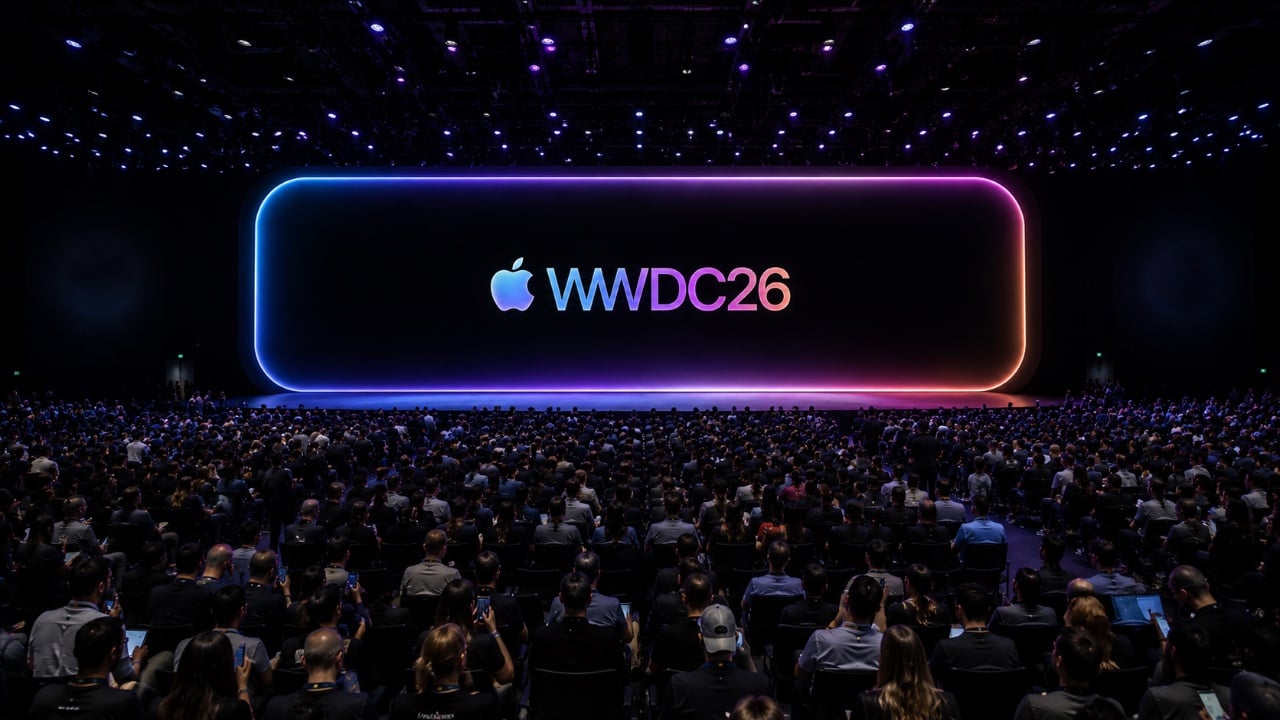
Apple's WWDC 2026 keynote on June 8 confirmed a software-first slate that pre-keynote leaks had largely previewed, though some details differed. Apple unveiled a rebuilt Siri (branded Siri AI) with system-wide personal context, on-screen awareness, and a new standalone Siri app that also runs on iPad and Mac; Apple said Siri AI is powered by Google's Gemini models and no longer hands off queries to third-party providers like ChatGPT, according to TechCrunch and Engadget. Apple named the new Mac release macOS 27 Golden Gate, not the rumored "Big Bear," and confirmed it is the first macOS to run exclusively on Apple silicon, ending Intel Mac support; it remains the last release with full Rosetta 2, which Apple will scale back afterward, per MacRumors and 512 Pixels. iOS 27 emphasized efficiency, with Apple citing faster performance even on older iPhones. Earlier reports that Apple Intelligence would work with Anthropic's Claude were not borne out; Apple's stated AI collaboration is with Gemini.
What happened
Apple's WWDC 2026 keynote took place on June 8, and the announcements largely matched the software-first slate that pre-keynote leaks had previewed, with some notable differences. Apple introduced a rebuilt Siri, branded Siri AI, with system-wide understanding of personal context and on-screen awareness, plus a new standalone Siri app that also runs on iPad and Mac. iOS 27 emphasized efficiency and performance, with Apple citing improvements such as faster photo loading and AirDrop transfers and support extending to older iPhones. Apple also expanded Apple Intelligence features and introduced new child-account controls, according to TechCrunch and Engadget.
Siri AI and Apple's model strategy
Apple said Siri AI is powered by Google's Gemini models and that the assistant no longer hands off queries to third-party providers such as ChatGPT, per Engadget and TechCrunch. Apple also said its new Apple Intelligence models are built in collaboration with Google Gemini. This is a key correction to pre-keynote leaks: earlier reports had suggested Siri would support multiple third-party models including Gemini and Claude, but Apple's stated collaboration is with Gemini, and no Claude integration was announced.
macOS Golden Gate, Intel, and Rosetta 2: Apple named the next Mac release macOS 27 Golden Gate, not the rumored "Big Bear." Coverage confirms Golden Gate is the first version of macOS to run exclusively on Apple silicon, ending support for Intel-based Macs, and that it is the last release to include full Rosetta 2 functionality; Apple plans to keep a reduced subset of Rosetta afterward (reported as aimed at older, unmaintained Intel-based games), with broader removal expected in the following release (MacRumors; 512 Pixels; TechRadar). The pre-keynote rumor that macOS 27 would end Intel support proved correct; the related claim that it would drop Rosetta 2 was imprecise, since macOS 27 retains full Rosetta 2 and the reduction comes later.
What the leaks got right and wrong
Right: a major Siri overhaul, a standalone Siri app, on-device context and privacy framing, immediate developer betas, the end of Intel Mac support, and Google Gemini involvement. Wrong or imprecise: the macOS codename ("Golden Gate," not "Big Bear"), Claude integration (not announced; Siri AI is Gemini-powered and drops third-party handoffs), and the exact Rosetta 2 timing.
For practitioners, what to watch
Developers distributing Universal or Intel-only macOS binaries should plan for the end of Intel support in macOS 27 and the staged reduction of Rosetta 2 in later releases. Watch Apple's official compatibility matrix and developer documentation for the Siri AI API surface, the privacy and data-flow boundaries between on-device processing and Gemini-backed cloud inference, and any new entitlements or intent schemas for the standalone Siri app and assistant-driven automation. Confirm specific feature availability and device support against Apple's release notes rather than pre-keynote rumor roundups.
Key Points
- 1At its June 8 WWDC 2026 keynote, Apple unveiled a rebuilt Siri (Siri AI) with system-wide personal context and a standalone app across iPhone, iPad, and Mac, powered by Google's Gemini models, and said Siri will no longer hand off queries to third-party providers like ChatGPT (TechCrunch; Engadget).
- 2The Mac release is macOS 27 Golden Gate, not the rumored 'Big Bear'; it is the first macOS to run only on Apple silicon, ending Intel support, and the last with full Rosetta 2, which Apple will reduce in later releases (MacRumors; 512 Pixels).
- 3iOS 27 focused on efficiency and performance, including support for older iPhones; pre-keynote reports that Apple Intelligence would integrate Anthropic's Claude were not confirmed, with Apple's stated model collaboration being Google Gemini.
Scoring Rationale
Now confirmed at the June 8 WWDC 2026 keynote, this is a notable platform shift: Apple rebuilt Siri as a Gemini-powered assistant with a standalone app, unified its Apple Intelligence strategy on Google Gemini, and ended Intel Mac support in macOS 27 Golden Gate, all of which directly affect developers, privacy engineers, and macOS compatibility planning. It is a major product and strategy update affecting a very large developer base rather than a frontier-model or research breakthrough, so it sits at the top of the notable tier.
Sources
Public references used for this report.
View 7 more sources
- macOS 27 Golden Gate announced at WWDC 2026, here's everything you need to knowtechradar.com
- WWDC26: As Foretold, macOS 27 Golden Gate Drops Intel Support512pixels.net
- iOS 27, macOS 27, Siri: What to expect to launch at WWDC 2026appleinsider.com
- macOS 27 Golden Gate Guide: features, release date and compatibilitymacworld.com
- Has Apple Leaked the macOS 27 Name Before WWDC? (pre-keynote 'Big Bear' rumor)idropnews.com
- What Will Apple Name macOS 27? (pre-keynote speculation)machash.com
- The Dalrymple Report: WWDC and Gemini/Siri privacyloopinsight.com
Practice interview problems based on real data
1,625 SQL & Python problems across 15 industry datasets — the exact type of data you work with.
Try 250 free problems