Apple Signals Price Hikes Amid Memory Chip Shortage
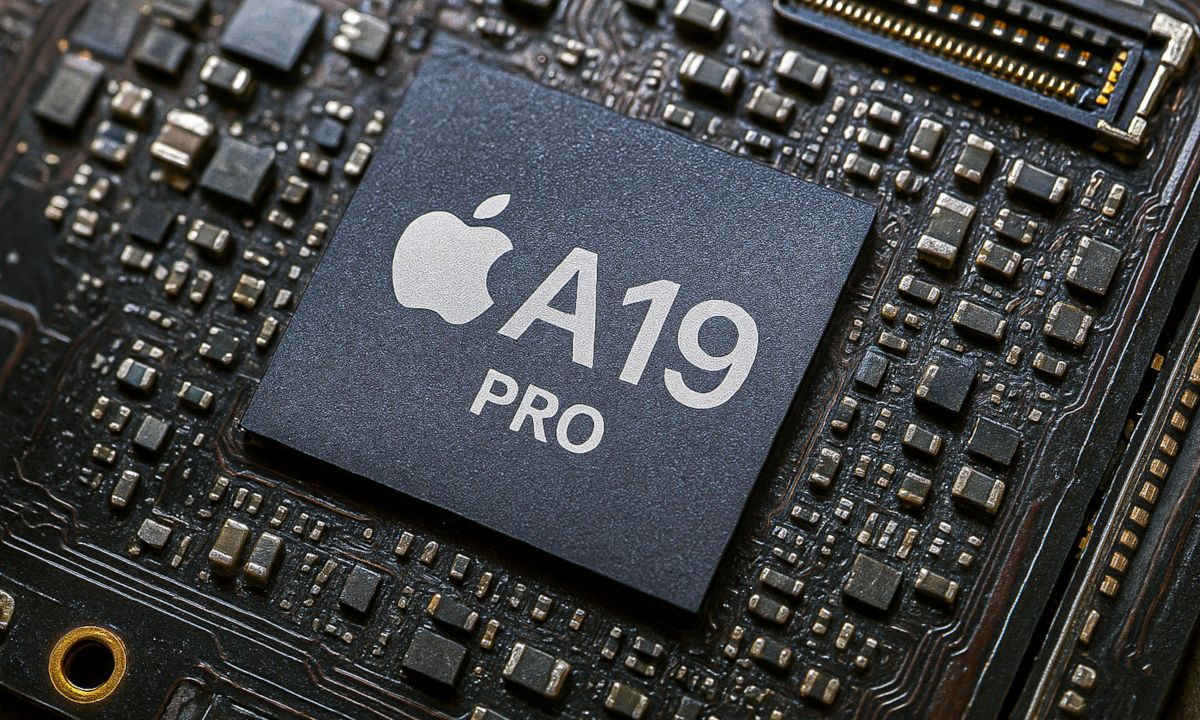
Apple plans to raise prices on its products to offset soaring memory and storage chip costs, outgoing CEO Tim Cook told The Wall Street Journal in an interview published June 17, 2026. Cook said, "Unfortunately, price increases are unavoidable," citing a chip supply shock he described as a "hundred-year flood" after AI data-center demand quadrupled DRAM and NAND prices over the past year. Cook, who will hand the CEO role to hardware chief John Ternus in September 2026, added that Apple is "willing to use our balance sheet to help be a part of the solution" but has no plans to build its own memory factories.
What happened
Apple plans to raise prices on its products to offset rising memory and storage chip costs, Chief Executive Tim Cook told The Wall Street Journal in an interview published June 17, 2026. "Unfortunately, price increases are unavoidable," Cook said, per The Wall Street Journal. Cook added: "We're doing our best to mitigate the huge increases that are being passed to us, and we've been trying to shield our customers from the increases, but the situation has become unsustainable." Cook declined to specify when price increases would take effect, how large they would be, or which products they would include.
Cook described the supply shock as "a hundred-year flood," telling Reuters he has never seen anything like it in over 40 years in the industry. He said Apple is "willing to use our balance sheet to help be a part of the solution" but confirmed Apple has no plans to build its own memory or storage factories.
This interview is one of Cook's last major public statements as Apple CEO. Apple announced in April 2026 that Cook will become executive chairman and hand the chief executive role to John Ternus, Apple's senior vice president of hardware engineering, effective September 1, 2026.
Technical context
According to The Wall Street Journal, memory and storage chip prices have quadrupled over the past year, a surge the report links to AI data-center demand diverting supply toward high-bandwidth memory (HBM) used in AI servers. Memory suppliers have been prioritizing HBM and premium DRAM under long-term agreements with AI infrastructure buyers, reducing supply available for consumer devices and pushing spot and contract pricing higher. Apple also needs to increase DRAM in its devices to support new on-device AI features, compounding the procurement pressure.
Context and commercial implications
Industry coverage frames this as a supply-chain effect from the broader AI buildout rather than an Apple-specific procurement failure. TechCrunch cited a TechInsights estimate that maintaining Apple margins intact could require adding approximately $270 to a next-generation iPhone Pro. Tech outlets including TechCrunch and 9to5Mac noted the timing overlap with Apple's expected September device launch window, which is widely reported to include a foldable iPhone model, creating near-term tension between launch pricing and component costs.
What to watch
Monitor DRAM and NAND contract and spot-price indices over the next 60 to 90 days, supplier announcements from major memory vendors on capacity or allocation prioritization, and Apple's September product launch pricing. Also track memory-allocation commentary in upcoming earnings calls from chip suppliers, which will indicate whether the consumer-versus-server allocation shift is stabilizing or continuing.
Key Points
- 1Apple CEO Tim Cook warned in a WSJ interview that price increases are 'unavoidable' as AI data-center demand has quadrupled DRAM and NAND chip prices, calling the supply shock a 'hundred-year flood.'
- 2AI-driven HBM demand has redirected memory supply toward servers, reducing allocations for consumer devices; TechInsights estimated maintaining Apple margins could require ~$270 added to a next-gen iPhone Pro.
- 3For practitioners: elevated memory prices are materially affecting consumer-device BOMs and require closer procurement monitoring and updated hardware TCO models across vendors.
Scoring Rationale
Tim Cook's last major pre-succession interview contains direct, verified quotes confirming across-the-board price hikes driven by AI-driven memory supply disruption - a notable and concrete downstream effect of the AI infrastructure buildout affecting hardware pricing broadly. The supply-chain mechanism is clearly explained and corroborated by 11 independent sources; the outgoing-CEO framing adds additional significance.
Sources
Public references used for this report.
View 7 more sources
- Apple confirms price increases are coming to its products due to RAM shortage9to5mac.com
- Apple to raise prices due to memory chip shortage, CEO tells WSJfinance.yahoo.com
- Tim Cook Says Apple Price Increases Are 'Unavoidable' Due to Memory Costsmacrumors.com
- Apple’s Tim Cook says price hikes are on the way, citing memory chip crunchnypost.com
- It's 'unavoidable': Apple says it will be forced to raise prices due to ...morningstar.com
- Apple (AAPL) CEO Tim Cook Warns Price Hikes Are Coming as Memory Chip Costs Turn “Unsustainable”tipranks.com
- Apple CEO Tim Cook warns of product price hikes as chip costs surgefirstpost.com
Practice interview problems based on real data
1,625 SQL & Python problems across 15 industry datasets — the exact type of data you work with.
Try 250 free problems