Anthropic Reverses U.S. Block with Security Model
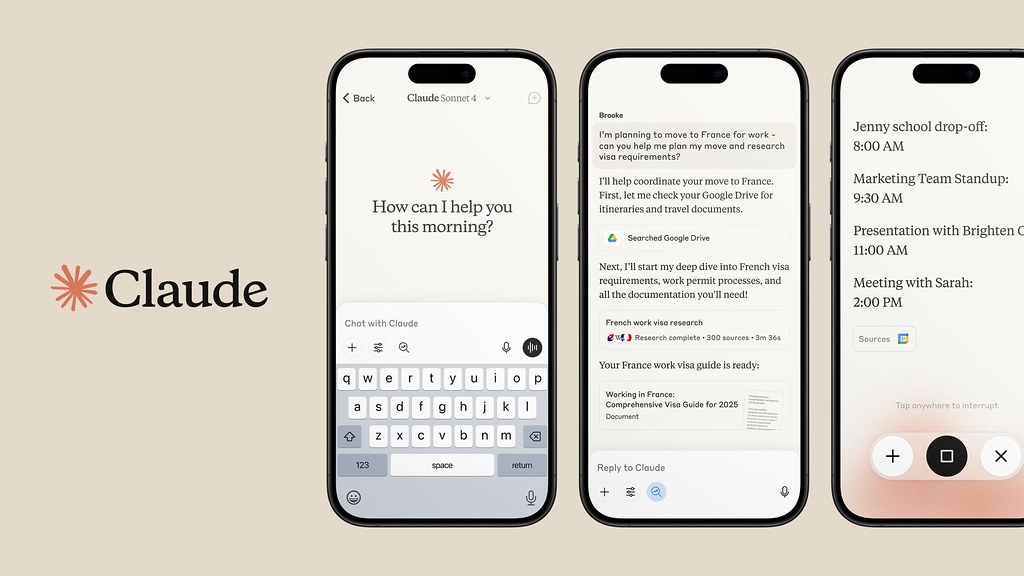
Anthropic has softened a months-long confrontation with the U.S. government by deploying a powerful cybersecurity-focused model, `Claude Mythos Preview`, which demonstrated the ability to find critical vulnerabilities across major browsers and operating systems. The model is currently in private access but is already being used by industry players including Nvidia, JPMorgan Chase, and large banks, and is under testing by CISA. Following the demonstration, CEO Dario Amodei held White House talks and Anthropic engaged lobbying firm Ballard Partners, signaling a negotiated thaw after a dispute that began when Anthropic refused government demands to enable mass domestic surveillance and unmonitored lethal autonomous weapons. The move reduces immediate regulatory pressure, rebuilds operational trust with some federal agencies, and reframes safety-first positioning as a commercial advantage.
What happened
Anthropic flipped the tone of a months-long standoff with the U.S. administration by surfacing a security-first capability in `Claude Mythos Preview`. After nearly two months of heightened tension that began when Anthropic refused government requests to build mass domestic surveillance tools and unmonitored lethal autonomous weapons, the company demonstrated that Claude Mythos Preview can detect critical vulnerabilities across major browsers and operating systems. The demo triggered White House-level meetings with CEO Dario Amodei, started testing by CISA, and drew early enterprise uptake from Nvidia and JPMorgan Chase.
Technical details
The model is in private preview and is presented as a specialized vulnerability discovery and mitigation assistant. Key technical points practitioners should note:
- •It reportedly identifies security issues across multiple browsers and OSes, suggesting cross-platform exploit surface analysis.
- •The model is being used in triage and patch prioritization workflows by financial and infrastructure firms.
- •Access is currently restricted, indicating Anthropic is using controlled deployment and enterprise integrations rather than a broad public API.
- •Federal agencies including CISA are actively testing the tool, which implies interoperability and evidence-gathering for risk assessment.
Context and significance
This is both a product and a policy pivot. Anthropic's refusal to comply with certain government demands had escalated to supply-chain risk labeling and a temporary injunction from litigation. By turning safety capabilities into a tangible product that helps secure critical infrastructure, Anthropic recasts its safety-first constraints as a national interest asset. For practitioners, this episode reinforces an emergent playbook: combine demonstrable technical safeguards, controlled access, and targeted lobbying to influence regulatory outcomes while preserving red lines on misuse.
What to watch
Whether the private preview scales to broader enterprise APIs, the outcome of White House discussions, and how federal procurement or guidance changes will affect access, compliance obligations, and adversarial disclosure timelines.
Key Points
- 1Anthropic used a security-focused model to convert regulatory hostility into operational engagement with U.S. agencies.
- 2Claude Mythos Preview targets cross-platform vulnerability detection, enabling enterprises to prioritize patches and reduce exploit windows.
- 3Controlled private access plus lobbying and White House meetings create a repeatable model for firms defending safety-conscious red lines.
Scoring Rationale
This is a notable product-and-policy event: a security-centric model influenced federal engagement and enterprise adoption. It changes negotiation dynamics for model governance but is not a paradigm-shifting research breakthrough.
Practice interview problems based on real data
1,625 SQL & Python problems across 15 industry datasets — the exact type of data you work with.
Try 250 free problems