Anthropic Engages White House to Resolve Pentagon Dispute
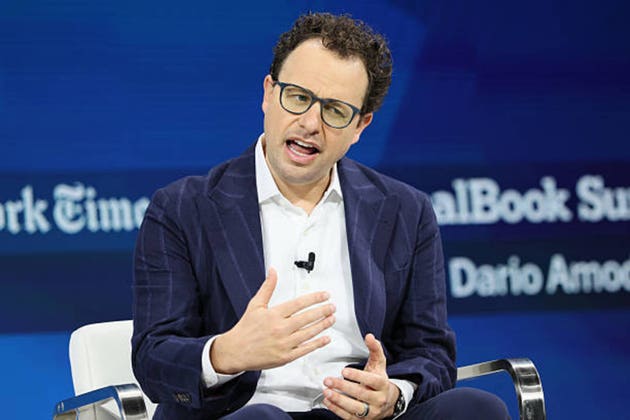
The White House held a "productive and constructive" meeting with Anthropic after the Pentagon labeled the company a "supply-chain risk" and Anthropic sued. The session, led by CEO Dario Amodei and White House senior staff, aimed to deescalate the legal and procurement standoff that has left Anthropic blocked from Defense Department contracts while litigation continues. Anthropic reports rapid commercial growth, with annualized revenue rising from $9 billion to $30 billion, and is privately testing a new model, Claude Mythos, with major tech partners. The meeting signals Washington's interest in preserving access to leading AI suppliers while balancing national-security procurement rules, but the legal and policy outcome remains unresolved.
What happened
The White House convened senior staff and Anthropic executives for a meeting described as "productive and constructive." The talks follow a Pentagon designation that labeled Anthropic a "supply-chain risk", and Anthropic's subsequent lawsuit challenging that designation. A federal appeals court has allowed the blacklisting to stand while litigation proceeds, keeping Anthropic excluded from Defense Department contracts.
Technical details
Anthropic continues to develop and privately test its next-generation model, Claude Mythos. The company reports rapid commercial metrics, growing annualized revenue from $9 billion to $30 billion, and over 1,000 enterprise customers paying at least $1 million annually. Partners and testers for Claude Mythos reportedly include:
- •AWS
- •Apple
- •Microsoft
- •Cisco
These partnerships suggest continued cloud, security, and integration work even as government procurement is restricted.
Context and significance
The meeting is a policy moment, not a product announcement. The Pentagon's supply-chain risk label is typically reserved for foreign or adversarial vendors; applying it to a US AI firm sets a precedent for how national-security criteria will intersect with AI governance. The appeals court decision that keeps the designation in place while litigation continues means commercial growth and private-sector collaboration can proceed, but Defense procurement remains closed. Anthropic's public refusal to allow its models to support autonomous weapons or certain surveillance use cases is a core element of the dispute and informs both legal arguments and public perception.
Implications for practitioners
Expect increased scrutiny in vendor risk assessments, tighter compliance requirements for firms seeking defense contracts, and potential new policy guidance from the White House on AI supply-chain risk frameworks. For engineers and procurement teams, isolation from DoD contracts changes product roadmaps, controls on model deployment, and auditing requirements.
What to watch
Courts will continue to shape the immediate availability of Anthropic services to defense buyers, and the White House outcome could influence whether policy adjustments prioritize access to frontier models or strengthen exclusion criteria. Monitor appeals rulings, any executive branch guidance on AI vendor risk, and Anthropic's partner testing results for Claude Mythos.
Key Points
- 1White House meeting aims to deescalate a legal procurement standoff between Anthropic and the Pentagon, preserving policy options.
- 2Anthropic reports dramatic commercial growth, testing Claude Mythos with major tech partners while Defense contracts remain blocked.
- 3Appeals court kept the blacklist in place, so operational access to Defense contracts stays restricted despite White House engagement.
Scoring Rationale
This is a notable policy-development with concrete procurement and legal consequences for AI vendors. It affects vendor risk frameworks and government access to frontier models, but it is not a paradigm-shifting technical or market event.
Sources
Public references used for this report.
Practice interview problems based on real data
1,625 SQL & Python problems across 15 industry datasets — the exact type of data you work with.
Try 250 free problems