
Anthropic Deploys Claude Tag Integration in Slack
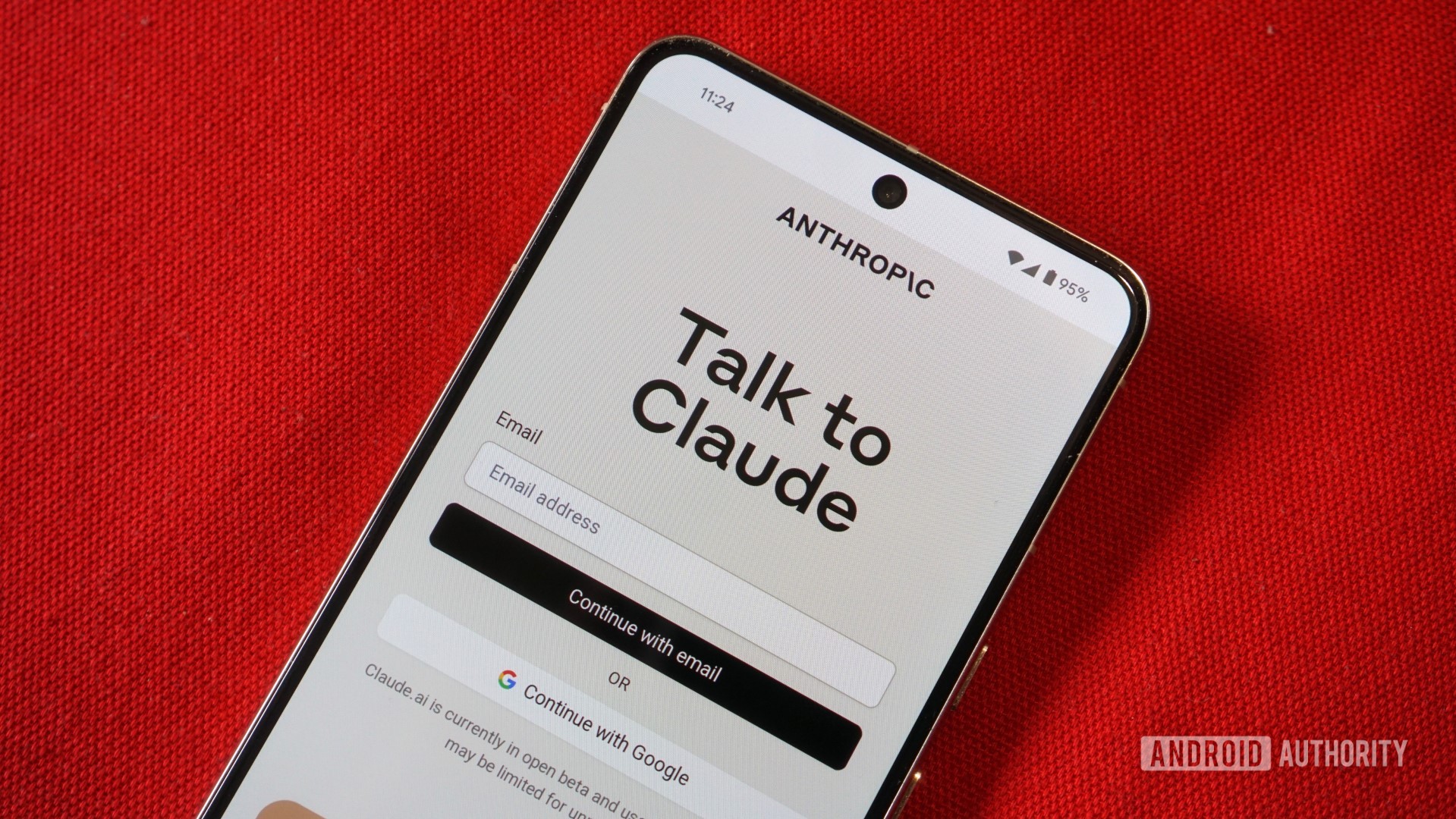
Anthropic has launched Claude Tag, a persistent Slack integration that lets teams summon an AI agent by typing "@Claude," Reuters reports. The feature is available in beta for Claude Enterprise and Claude Team customers, and Reuters says Anthropic plans to expand the capability to other platforms in coming weeks. Per Anthropic support documentation, the legacy Claude Slack app will be switched to the Claude Tag experience on August 3, 2026, and administrators can control channel-level access. TechCrunch and Android Authority report Claude Tag keeps ongoing context across channels and can proactively surface updates in an "ambient" mode; reporting also notes it can use granted permissions to read other tools such as Gmail.
What happened
Anthropic launched Claude Tag, a research-preview Slack integration that runs as an "always-on" AI teammate you can summon by typing "@Claude," Reuters reports. The feature is in beta for Claude Enterprise and Claude Team customers, according to Reuters and Anthropic's support documentation. Android Authority reports that Claude Tag replaces the older Claude Slack app; Anthropic's support page states the switch to Claude Tag will occur on August 3, 2026 and gives admins migration instructions.
Technical details
TechCrunch and Android Authority describe Claude Tag as adding persistent, channel-scoped context: when invited into a channel the agent can follow conversations over time, retain context, and operate with access to other linked tools if granted permission. TechCrunch reports Claude Tag can break down assigned tasks into stages, execute them using available integrations, and post progress back into Slack threads. The integration also supports an "ambient" mode that can proactively nudge users or flag follow-ups, per TechCrunch and Android Authority.
Product mechanics (reported)
Anthropic's Slack support doc lists three surfaces where Claude works: direct messages with @Claude, an AI assistant panel in Slack's right-hand pane, and thread participation via mentions. The support page also notes admins must approve the app for workspace deployment and can deploy org-wide or to specific workspaces.
Industry context
Companies building Slack-native AI assistants increasingly combine persistent context, granular admin controls, and connectors to external tools to make assistants usable across team workflows without exporting data out of the workspace. Observers have framed this pattern as part of a broader enterprise push by AI startups to embed assistants inside collaboration platforms, a tactic Reuters highlights as part of Anthropic's enterprise sales push.
Context and significance
Editorial analysis: The reported feature set, persistent channel memory, admin-scoped permissions, and ambient notifications, addresses two enterprise priorities commonly discussed in recent coverage: reducing friction for adoption inside existing workflows, and giving admins control over data access. Reuters places the release within Anthropic's broader commercial momentum, noting the company filed confidentially for an IPO earlier this month and that reporting attributed a valuation figure to Reuters' coverage.
What to watch
For practitioners: Monitor how administrators configure access scopes and what connectors customers enable, since TechCrunch and Reuters both report that Claude Tag's usefulness depends on which channels and external tools it is permitted to read. Also watch migration timelines; Anthropic's support documentation sets an August 3, 2026 switchover for the Slack app and Android Authority reports a 30-day migration opt-in window for existing users.
Reported quotes and vendor positioning
Reuters quotes Rob Seaman, general manager of Slack, saying the integration helps make AI "multiplayer" by surfacing work in public channels. Reuters also quotes Cat Wu, Anthropic's head of product for Claude Code, describing the tagging form factor as powerful; TechCrunch reproduces an Anthropic statement that "As Claude follows along with its channel, it learns ever more about the work." These attributions are taken from Reuters and TechCrunch reporting.
Limitations of reporting
Editorial analysis: Public reporting so far emphasizes product behavior and admin controls but does not include independent benchmarks of accuracy, latency, or cost per seat. Observers implementing similar integrations typically evaluate access controls, retention settings, and auditing capabilities before broad deployment; those are practical signals practitioners should verify directly with vendors or in product documentation.
Scoring Rationale
This is a notable product rollout for enterprise collaboration tooling: it embeds persistent assistant behavior into Slack and tightens admin controls. The story matters to practitioners evaluating assistant integrations, but it is not a frontier-model release.
Practice with real SaaS & B2B data
90 SQL & Python problems · 15 industry datasets
250 free problems · No credit card
See all SaaS & B2B problems


