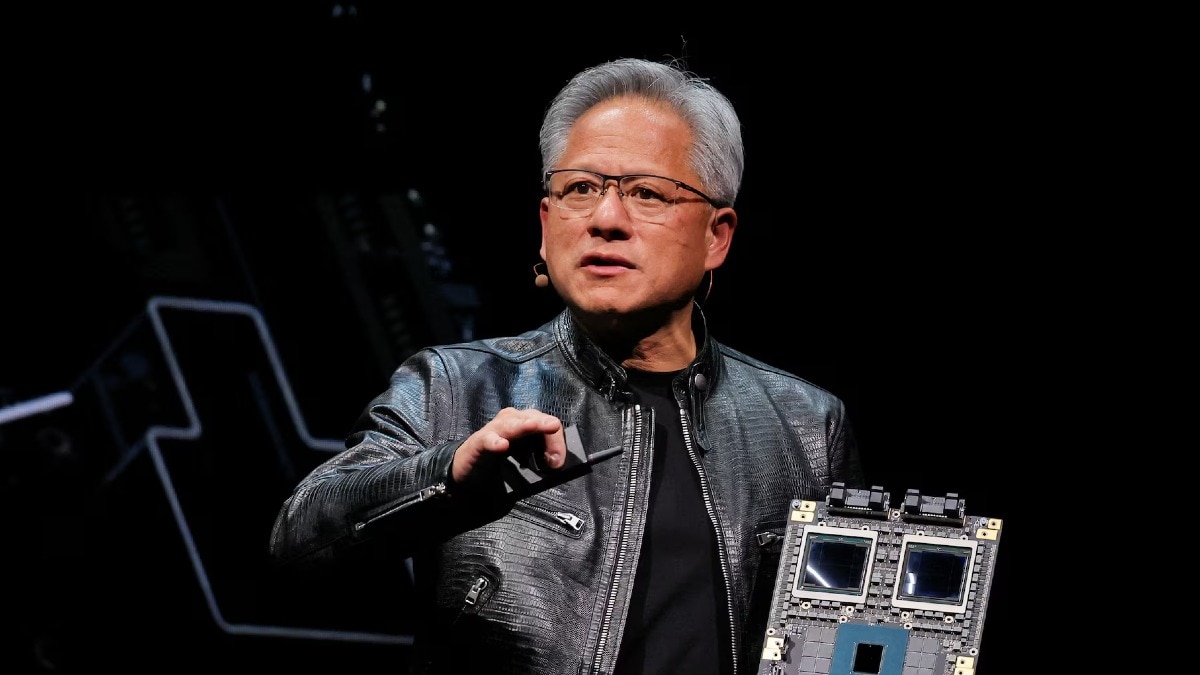
Anthropic Completes Employee Tender Offer at $350B Valuation
Multiple outlets report Anthropic completed an employee tender offer valuing the company at roughly $350 billion, while investor expectations for secondary liquidity exceeded the amount raised. Separately, CNBC confirms Anthropic signed a term sheet for a $10 billion financing round at a $350B pre-money valuation led by Coatue and Singapore's GIC. The activity reflects simultaneous aims: secure large strategic capital and provide employee liquidity ahead of an eventual IPO. The size and structure of the tender, reportedly below investor hopes for a $5-6 billion secondary, matter for talent retention, cap table dynamics, and how strategic partners negotiate future deals.
What happened
Multiple industry reports indicate Anthropic ran and completed an employee tender offer that priced the company at about $350 billion. Sources covering the liquidity event describe it as a move to give employees partial exit ahead of a planned IPO, but the secondary's size came in below what some investors were seeking (investor demand in reporting is described in the $5-6 billion range).
Concurrent financing context: CNBC separately confirmed Anthropic signed a term sheet for a $10 billion funding round at a $350 billion valuation, with Coatue and Singapore sovereign wealth fund GIC named as lead participants. Public coverage also links other institutional interest (including reports of additional allocations from large asset managers) as Anthropic consolidates strategic capital while furnishing employee liquidity.
Key details from sources
CNBC's reporting documents the $10B term sheet and the $350B marker; multiple trade outlets and advisors covering private-market transactions characterize the tender as a targeted employee liquidity program sized in the low billions and executed at the same valuation anchor. Anthropic, founded in 2021 and known for the Claude family of models, is positioning both funding and employee liquidity as parallel priorities as it prepares for a future public listing.
Technical and market context
A $350B price anchor places Anthropic among the highest private valuations in the generative-AI cohort; it matters because valuation anchors set expectations for partner investment capacity, option exercises, and secondary pricing ahead of IPOs. Employee tenders that are small relative to investor demand can leave early employees with illiquidity risk and can complicate retention if employees expected larger near-term realizations. For investors and partners negotiating follow-on rounds or strategic deals, the valuation and the structure (primary capital vs. secondary liquidity) influence protective provisions, board seats, and governance terms.
Why practitioners should care
For ML/AI teams and leaders, the story affects hiring and retention dynamics in the sector: meaningful employee liquidity reduces turnover risk and can influence compensation design (mix of RSUs, options, or cash). For ML engineers and researchers evaluating employer stability, the presence of large strategic backers and a $10B term sheet suggests substantial runway and resources for compute, data, and productization. For investors and deal teams, the gap between investor appetite and executed secondary size highlights friction points in pricing, exit timing, and cap table management that will shape term negotiation tactics across the AI startup landscape.
What to watch next
Monitor final investor allocations and any public confirmations of the financing round; track whether strategic investors (e.g., cloud or chip partners) increase their commitments; watch for formal IPO timing, lockup terms from this tender, and any cap-table disclosures that clarify dilution and secondary participation. Also watch hiring/retention signals from Anthropic and comparable startups if employee liquidity remains constrained.
Key Points
- 1Anthropic priced at ~$350B during a combined liquidity+fundraising push, signaling strong private-market demand and a high valuation anchor.
- 2Employee tender provided partial liquidity but reportedly undersized versus investor appetite (~$5-6B), creating retention and cap-table implications.
- 3A concurrent $10B term sheet led by Coatue and GIC increases Anthropic's runway and bargaining leverage with cloud and chip partners.
Scoring Rationale
The combination of a very large private valuation and simultaneous employee liquidity plus a major term-sheet matters to practitioners: it affects hiring, retention, strategic partnerships, and competitive financing dynamics. Freshness reduces the score slightly.
Sources
Public references used for this report.
Practice interview problems based on real data
1,625 SQL & Python problems across 15 industry datasets — the exact type of data you work with.
Try 250 free problems