Anthropic Charges Extra for OpenClaw Third-Party Use
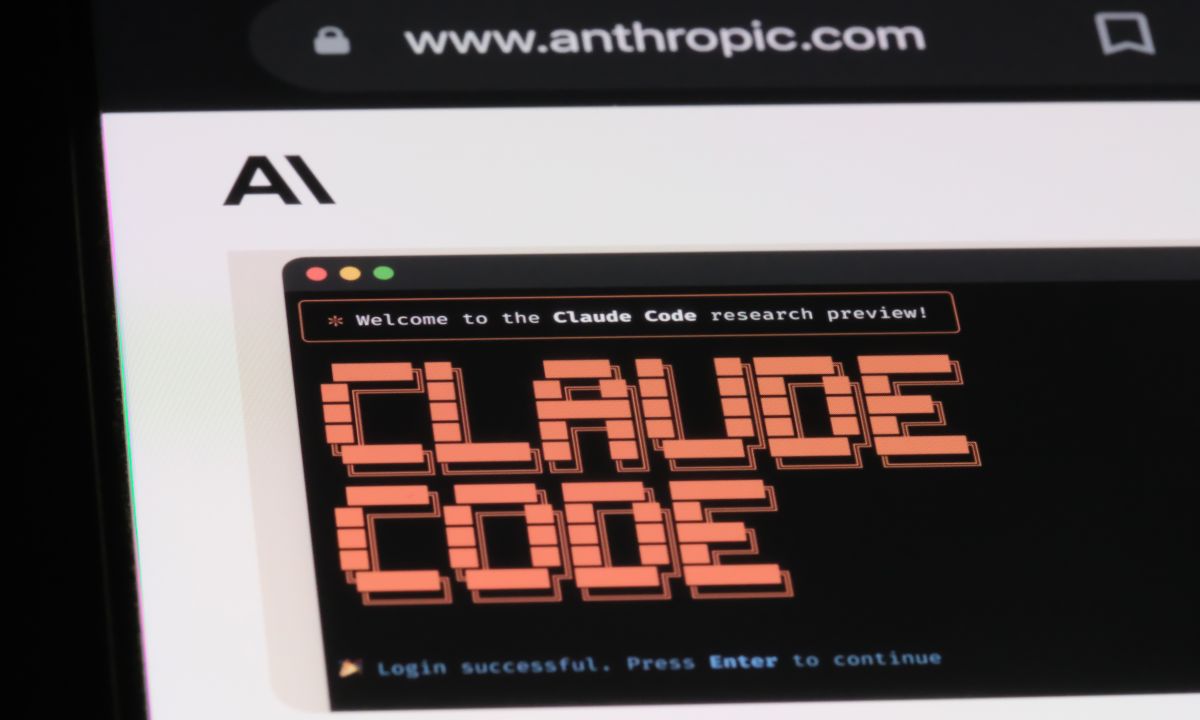
On April 4, 2026 Anthropic changed Claude Code billing so subscribers can no longer consume third-party agent usage (including OpenClaw) against their plan. Third-party access must be paid via a separate pay-as-you-go option or with a Claude API key; Anthropic issued one-time credits equal to monthly plan cost and introduced discounted usage bundles. Anthropic’s Claude Code lead, Boris Cherny, framed the move as an engineering and capacity decision—"subscriptions weren’t built for the usage patterns of these third-party tools." OpenClaw’s creator, Peter Steinberger, criticized the change and said he and board member Dave Morin unsuccessfully tried to delay it. Anthropic says the policy will expand to other third‑party harnesses soon.
What happened
On April 4, 2026 Anthropic altered how Claude Code subscriptions interact with third‑party agent frameworks: usage from external harnesses such as the open-source agent OpenClaw will no longer draw from subscribers’ Claude plan limits. Instead, users must pay for that consumption through a separate pay‑as‑you‑go billing stream or operate via a Claude API key. Anthropic provided a one‑time credit equal to subscribers’ monthly plan cost and rolled out discounted usage bundles; the company also states the change will be extended to additional third‑party harnesses in the coming weeks.
Technical context
Agent frameworks like OpenClaw orchestrate multiple model calls, state storage, tool access, and repeated prompt cycles that amplify model consumption patterns compared with single‑prompt chat usage. Anthropic’s stated rationale—summed up by Boris Cherny, head of Claude Code, as "subscriptions weren’t built for the usage patterns of these third‑party tools"—positions this as a capacity and engineering constraint rather than a purely commercial maneuver. The company framed capacity as a resource it must prioritize to sustain service quality for customers and API users.
Key details from sources
TechCrunch, The Verge, and PCMag report the same operational change: starting at noon PT/3pm ET on April 4, subscriptions would stop covering third‑party harness usage, and pay‑as‑you‑go billing would be introduced separately from subscription invoices. Anthropic reiterated refund options for subscribers and offered discounted bundles for additional usage. OpenClaw’s creator, Peter Steinberger, publicly criticized the decision; he and OpenClaw board member Dave Morin said they attempted to persuade Anthropic to reconsider and only managed a one‑week delay. Media accounts note Anthropic intends to roll the policy out beyond OpenClaw.
Why practitioners should care
If you integrate Claude through an agent or proxy layer, your cost and capacity profile can change dramatically overnight. Agentic workflows multiply model calls, persistent contexts, and parallelism in ways that flat subscription models don’t anticipate. Teams running developer tools, CI jobs, or automation pipelines that depend on Claude via OpenClaw must audit their call patterns, estimate incremental billable usage under pay‑as‑you‑go, and build guardrails to avoid surprise costs. For platform engineers and procurement teams, this is a reminder to:
- •instrument agent‑level call counts and token usage
- •negotiate API/enterprise terms that cover agent patterns
- •maintain fallbacks (alternative LLMs, local models, or throttles) when vendor quotas become constrained
What to watch
Monitor whether Anthropic’s enforcement extends to additional open‑source agents and commercial connectors, and whether competitors adopt similar protections for subscription capacity. Track response from the OpenClaw community and whether OpenAI or other providers adjust support or pricing for agentic integrations. Finally, watch for changes in enterprise negotiations—customers will press for predictable pricing for agent workloads or seek technical controls (rate limiting, batch scheduling) to manage costs.
Key Points
- 1Anthropic decouples third‑party agent usage from Claude subscriptions to control capacity and service quality.
- 2Agent frameworks like OpenClaw drive usage patterns subscriptions weren't designed to cover, creating hidden cost exposure for users.
- 3Engineering constraints and capacity management are shifting pricing model practices—teams must instrument, estimate, and renegotiate for agentic workloads.
Scoring Rationale
The change is highly relevant to practitioners using Claude in agentic workflows (high relevance and credibility). It is moderately novel and actionable for teams that must now manage cost and capacity, and it affects a meaningful subset of Claude users. Freshness penalty (-1.0) applied because the change is within the last 1–3 days.
Sources
Public references used for this report.
View 6 more sources
- Anthropic blocks OpenClaw from Claude subscriptions in cost ... - TNWthenextweb.com
- Anthropic: You Can't Use OpenClaw With Claude Without Paying Extrapcmag.com
- Claude subscribers will now have to pay extra to use OpenClawmashable.com
- OpenClaw Pricing Shock: How to Avoid the $500 Bill - Till Freitagtill-freitag.com
- Claude subscribers just lost access to OpenClaw and other third ...xda-developers.com
- Anthropic Slaps Extra Fees on OpenClaw and Third-Party Tool Usagemexc.com
Practice interview problems based on real data
1,625 SQL & Python problems across 15 industry datasets — the exact type of data you work with.
Try 250 free problems