Ancient Dogs Reshape Timeline Of Domestication
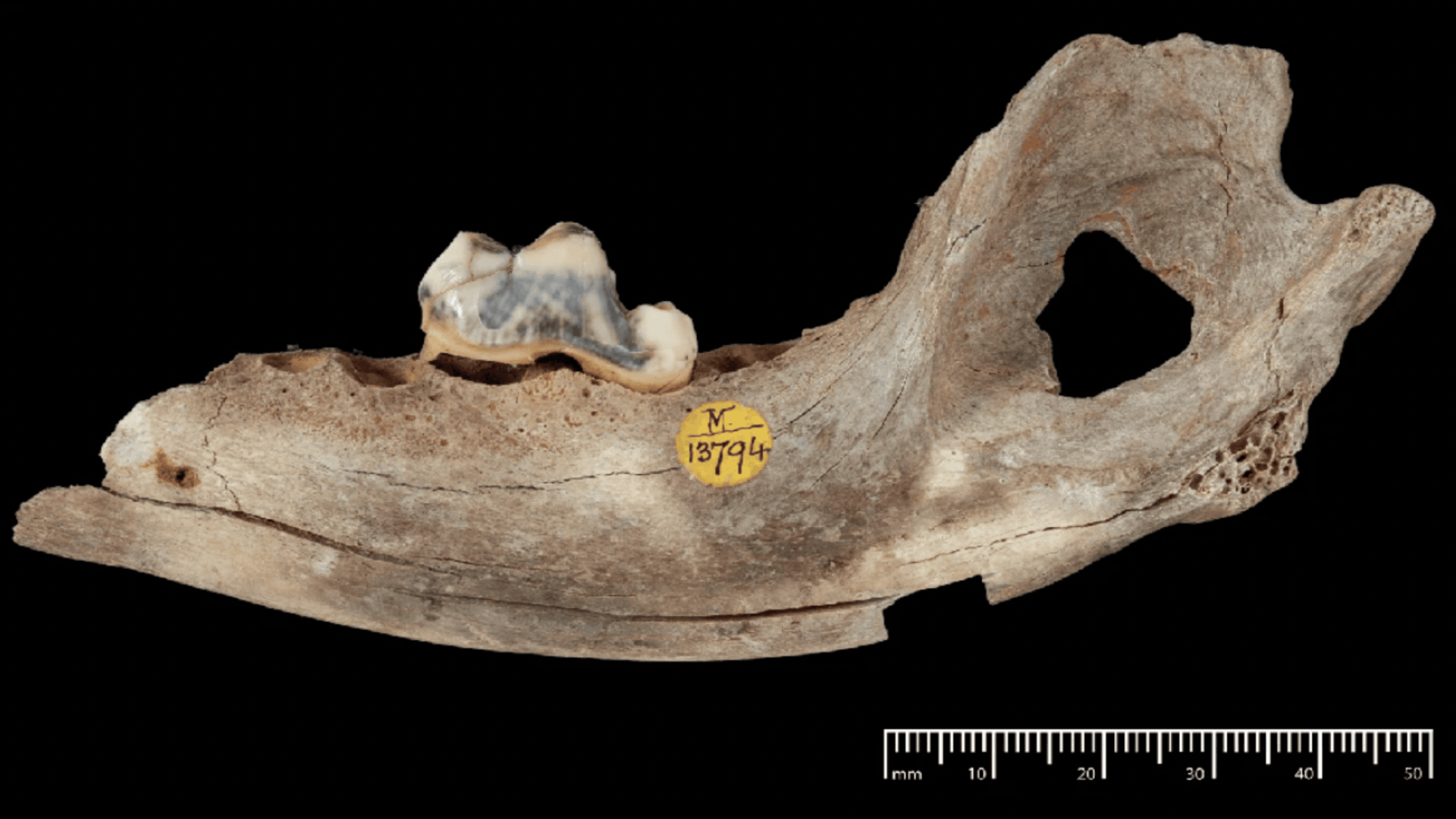
Researchers publishing in Nature on March 30, 2026 reconstructed whole genomes from ancient dog remains at Gough’s Cave (England) and Pınarbaşı (Türkiye), analyzing samples up to 10,000 years old. They report dogs diverged from wolves earlier than previously thought, were widespread in western Eurasia between 18,500–14,000 years ago, and show human-dog dietary overlap and co-burial evidence implying close early relationships.
Key Points
- 1Sequence whole genomes from 10,000-year-old dogs at Gough's Cave and Pınarbaşı, Türkiye
- 2Reveal dogs diverged from wolves earlier, widespread in western Eurasia 18,500–14,000 years ago
- 3Show human and dog diets matched; evidence of intimate co-burial and feeding by humans
Scoring Rationale
Published in Nature with reconstructed ancient genomes, the study provides significant novel evidence shifting domestication timelines and strong credibility. Score reduced slightly because findings are archaeological/genomic rather than core data-science advances, though still broadly relevant to genomic practitioners.
Practice interview problems based on real data
1,625 SQL & Python problems across 15 industry datasets — the exact type of data you work with.
Try 250 free problems