Amazon Generator Permits Face North Carolina Opposition
North Carolina regulators heard public opposition on July 30, 2026, to draft air permits covering 588 Amazon backup engines and 57 Duke Energy bridge-power engines for Amazon's Richmond County data center. An August 5 NC State analysis, using a broader count of more than 650 project generators, argued that reviewing the two applications separately understates combined hazardous-air-pollutant and volatile-organic-compound emissions.
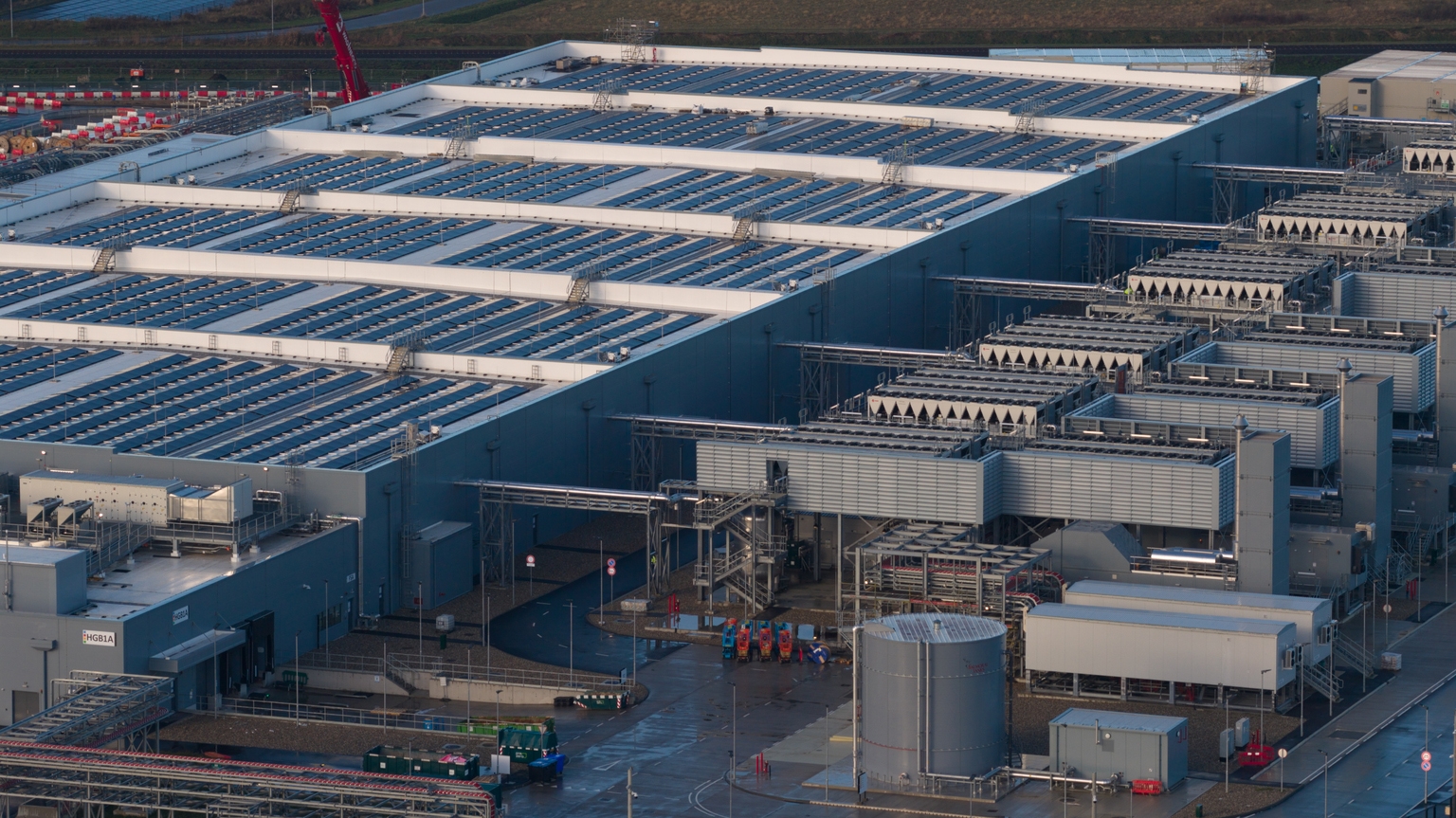
Amazon Web Services and Duke Energy Progress faced public opposition on July 30, 2026, to two draft air permits tied to Amazon's planned $10 billion data center campus in Richmond County, North Carolina. The North Carolina Department of Environmental Quality had made a preliminary determination that the applications could be approved if specified permit conditions were met; the hearing and comment period preceded a final decision.
What the draft permits cover
The state record separates the proposed equipment into two applications. Amazon sought permission for 588 diesel-fired emergency engines that would remain as backup power for the 21-building campus. Duke Energy sought a permit modification for 57 diesel-fired bridge-power engines on Amazon's property, intended to supply temporary power before a permanent grid connection and to be retired within one year after operations begin.
Together, those two official permit counts total 645 engines. WRAL reported that the scale became a central issue at the hearing, while the Richmond Observer documented residents and environmental advocates asking the state to deny the applications over health and pollution concerns. Public comments closed July 31.
DEQ said both applications require Title V major-source permits. Its air-dispersion review found that emissions from each facility were not expected to violate health-based air-quality standards if the permit conditions were followed. The agency also said the two sets of engines normally would not operate concurrently, apart from limited testing and startup periods.
Why a later analysis uses a higher count
An August 5 analysis published by North Carolina State University used a broader project count of more than 650 generators and examined the applications together. Jennifer Richmond-Bryant, an NC State associate professor whose work focuses on human exposure to air pollution, argued that separate reviews make the project's combined emissions appear lower than the overall total.
Her analysis compared projected generator emissions with Duke's Hamlet natural-gas turbine emissions in 2024. NC State reported an estimated 28% increase in hazardous air pollutants relative to the turbine's 2024 level and a possible increase of more than 400% in volatile organic compounds. Those figures are the professor's analysis of the applications, not DEQ's regulatory conclusion.
Why the distinction matters
The dispute shows how data-center power constraints can move from engineering plans into permitting and community review. The official applications distinguish temporary bridge power from long-term emergency backup, while critics want regulators to evaluate the combined local burden. For infrastructure teams, the case highlights that generator counts, operating limits, concurrent-use assumptions and emissions models must stay explicit when multiple permits support one campus.
Key Points
- 1North Carolina's draft permits cover 588 Amazon backup engines and 57 Duke Energy bridge-power engines, for an official total of 645.
- 2Residents opposed the applications at a July 30 hearing, while DEQ's preliminary review said the facilities could meet health-based standards under permit conditions.
- 3A separate August 5 NC State analysis used a broader count of more than 650 generators and estimated materially higher combined hazardous-air-pollutant and volatile-organic-compound emissions.
Scoring Rationale
The story concerns power provisioning, air permitting and community review for a $10 billion data center intended to support cloud and generative AI infrastructure. It is a significant regional infrastructure case with practical lessons about combined-project emissions modeling, though it does not introduce a new model or broadly deployable technical capability.
Sources
Primary source and supporting public references used for this report.
Practice with real Retail & eCommerce data
90 SQL & Python problems · 15 industry datasets
250 free problems · No credit card
See all Retail & eCommerce problems