Amazon Connect expands into agentic AI suite
SiliconANGLE reports that AWS is repositioning Amazon Connect as a family of agentic AI products, comprising Amazon Connect Decisions, Amazon Connect Talent, Amazon Connect Customer (the rebranded original), and Amazon Connect Health. AWS documentation and blog posts describe recent moves that support the shift: an AWS blog details the acquisition of NLX and its no-code conversational canvas, citing customer deployments such as United Airlines going live in three months instead of twelve and a global retailer deploying in six weeks instead of six months (AWS blog). AboutAmazon describes Amazon Quick Suite as an internal and customer-facing agentic AI application that connects to S3, Redshift, and 1,000+ apps and says it has been trialed by tens of thousands of Amazon employees (AboutAmazon). This package signals AWS moving from contact-center features toward broader agentic workflows that integrate retrieval, memory, and action in enterprises.
What happened
SiliconANGLE reports that AWS is repositioning Amazon Connect as a family of agentic AI solutions and lists four products: Amazon Connect Decisions, Amazon Connect Talent, Amazon Connect Customer, and Amazon Connect Health (SiliconANGLE). An AWS events page publicized an April 28, 2026 livestream titled "What's Next with AWS," featuring Matt Garman, Colleen Aubrey, Julia White, and OpenAI leaders to discuss agentic AI in business (AWS events). An AWS blog announced the acquisition of NLX and said the NLX no-code canvas will accelerate conversational AI deployments inside Amazon Connect, citing customer case studies where United Airlines went live in three months instead of twelve and a global retailer deployed in six weeks instead of six months (AWS blog). AboutAmazon published details of Amazon Quick Suite, describing it as an agentic AI application that connects to internal repositories, AWS services like S3 and Redshift, and integrations across Office 365 and third-party apps, and stated it has been used by tens of thousands of Amazon employees (AboutAmazon). Health reporting notes that Amazon Connect Health includes capabilities such as identity verification and appointment scheduling among a bundle of five features (HealthcareDive).
Technical details
Editorial analysis - technical context
public materials emphasize three recurring agentic design elements: long-term context or memory, connectors to enterprise data and apps, and action primitives that let agents take steps across systems. AboutAmazon explicitly lists connectors to S3, Redshift, and a 1,000+ app marketplace, while the AWS blog positions NLX's no-code canvas as a way to lower engineering friction for conversational workflows. Industry patterns show these three capabilities are the practical barrier to moving prototypes into production at enterprise scale.
Context and significance
this move aligns with a broader industry shift from feature-level AI (chat, bot responses) to integrated agentic systems that combine retrieval, planning, and execution. Forbes coverage frames AWS's product push as part of a competitive posture in the contact-center-as-a-service market (Forbes). For enterprises, the combination of no-code design, prebuilt connectors, and claims of accelerated time-to-value addresses the two common inhibitors to adoption: integration effort and business stakeholder ownership.
What to watch
- •Adoption metrics and third-party customer case studies that verify the accelerated deployment timelines cited in the AWS blog.
- •Security, privacy, and data governance disclosures for agentic workflows, especially where connectors surface internal data to an agent, including AboutAmazon's claim that Quick does not use queries to train models (AboutAmazon).
- •How incumbents in CCaaS and CX platforms respond to prebuilt agentic capabilities and no-code canvases, as noted by industry reporting (Forbes).
- •Regulatory and health-sector scrutiny around Amazon Connect Health capabilities, given HealthcareDive's description of patient-facing features.
Reported quote
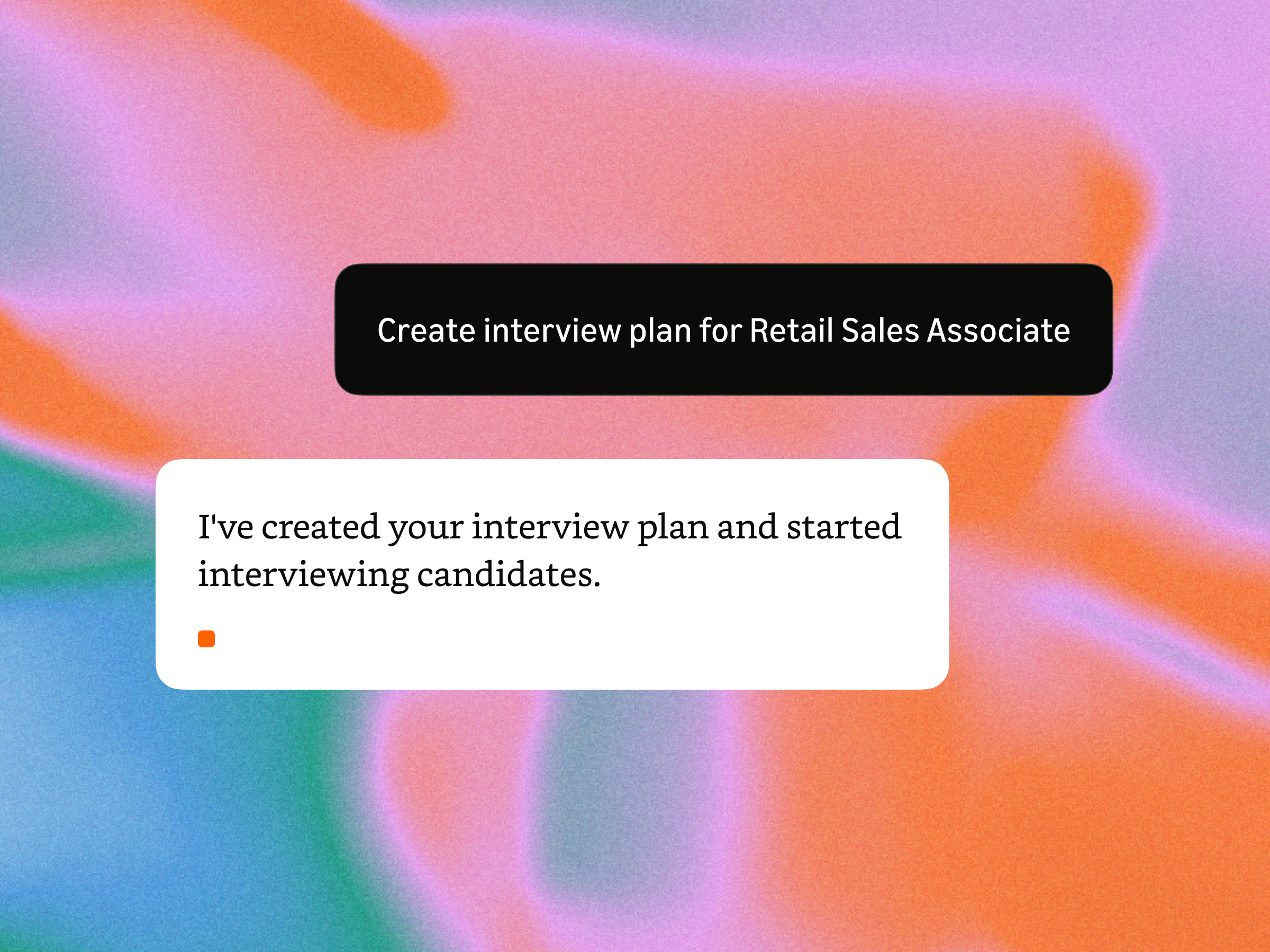
Pasquale DeMaio, vice president of Amazon Connect Customer and Talent, is quoted in SiliconANGLE saying the AI handles much of screening and interviewing but "then moving forward after that, it hands off to a human recruiter" (SiliconANGLE).
Editorial analysis
For practitioners, the key engineering implications are integration-first architectures, robust agent memory models, and operational controls for human handoff and auditability. Teams evaluating agentic deployments should prioritize connectors, observability, and guardrails ahead of building custom agent reasoning components.
Key Points
- 1AWS repackages Amazon Connect into a four-product agentic AI family, widening use cases beyond traditional contact centers.
- 2NLX acquisition and no-code tooling aim to shorten enterprise deployment cycles, reducing engineering bottlenecks for conversational AI.
- 3Industry trend toward agentic systems raises integration, governance, and auditability requirements for production-grade deployments.
Scoring Rationale
This is a notable product expansion with concrete enterprise tooling and acquisition signals that lower integration friction for agentic AI. The story matters to practitioners building enterprise agents and CX platforms, but it is not an industry-defining technical breakthrough.
Sources
Public references used for this report.


Practice with real Retail & eCommerce data
90 SQL & Python problems · 15 industry datasets
250 free problems · No credit card
See all Retail & eCommerce problems