AI road safety cameras drive surge in driver fines
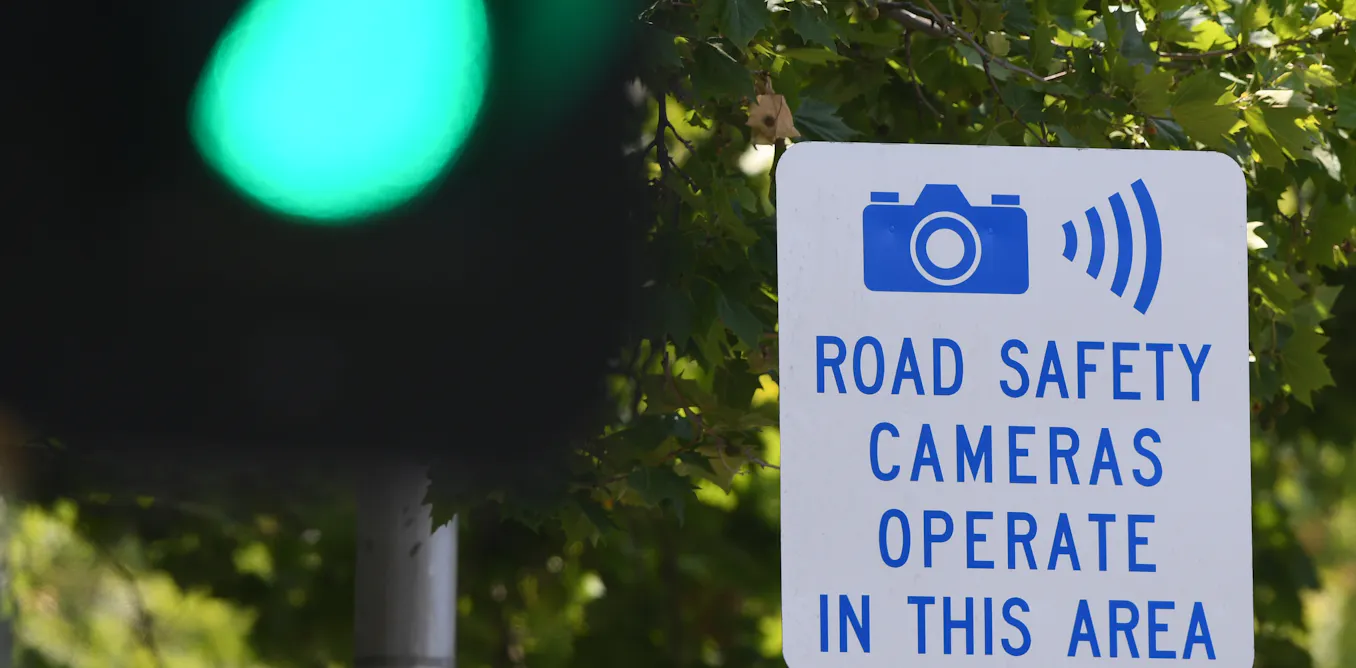
AI-assisted road safety cameras deployed across Australian jurisdictions have generated large volumes of fines and public backlash. According to ABC News, Western Australia issued around 36,000 seatbelt infringements since the cameras' enforcement phase began in October 2025, with penalties starting at $550 and 4 demerit points per offence. News.com.au reports that WA systems recorded roughly 75,000 seatbelt and mobile-phone violations through mid-February 2026, and that the Victorian government collected more than $26 million in six months after its own AI-powered camera rollout. The OECD AI incidents monitor has flagged the WA rollout as an AI incident citing licence losses and fairness concerns. Reporting across outlets highlights cases where drivers were fined for passengers, including children and neurodivergent people, and notes an ordered review of processes by WA road safety authorities (ABC News).
What happened
AI-assisted road safety cameras installed in multiple Australian jurisdictions have produced large numbers of automatic infringement notices. According to ABC News, Western Australia issued about 36,000 seatbelt infringement notices after the enforcement phase began in October 2025, with penalties starting at $550 and 4 demerit points per offence. News.com.au reports WA systems logged about 75,000 seatbelt and mobile-phone violations by mid-February 2026, and that the Victorian government collected more than $26 million in six months after introducing its own AI-powered cameras. The OECD AI incidents monitor lists the WA deployments as an AI incident, noting license losses and economic harms tied to camera-detected offences.
Technical details
What the systems do
Per reporting in The Conversation, these systems use computer-vision models to screen still images from roadside cameras, flag potential offences, then pass flagged images for human review before issuing an infringement. That workflow is reported as the deployed model-plus-human-in-the-loop approach in the public rollouts. ABC News and other outlets document that cameras were configured to detect seatbelt misuse and mobile-phone use from still images captured on highways.
Editorial analysis - technical context
Industry-pattern observations: computer-vision enforcement systems commonly operate on high-threshold classifiers tuned to minimise missed offences while relying on human review to reduce false positives. In practice, edge cases such as children, partially occluded seatbelts, brief belt slips, atypical seating postures, or neurodivergent behaviours increase classification difficulty. Systems trained on limited datasets or lacking diverse edge-case examples can systematically overflag these instances, producing high-volume administrative burdens during appeals processes.
Context and significance
public reporting emphasises two fault lines. First, the technology delivers scale, enabling tens of thousands of processed images and automated flagging that translate directly into fines and demerit points, a material legal and economic impact for motorists (ABC News; News.com.au). Second, the current appeal and review pipelines are stressed by volume; ABC News documents community backlash and a formal review ordered by the WA Road Safety Commissioner after multiple contested fines, including instances where drivers were fined for passenger behaviour. The OECD monitor frames this as an AI incident because the system's outputs produced realised harms (fines, licence losses) and generated fairness concerns.
For practitioners
Editorial analysis
practitioners building or evaluating similar enforcement systems should note that detection accuracy on rare but consequential edge cases often matters more than aggregate precision metrics. High false-positive rates produce downstream social and legal friction, and operational costs for manual review can rapidly escalate. Public trust and perceived procedural fairness become as important as model performance when outputs have legal consequences.
What to watch
- •Whether the WA review changes appeals processes or other procedures, as reported by ABC News.
- •Published performance metrics or independent audits of camera accuracy across demographic and situational subgroups.
- •Legal or regulatory responses in other Australian states after reporting of fines and licence impacts (News.com.au; OECD).
- •Any official statements or transparency releases showing model training data composition, false-positive rates, and human reviewer procedures.
Bottom line
Industry context
the deployments demonstrate both the operational reach of vision-based enforcement and the governance challenges that follow when automated outputs carry legal penalties. Public reporting shows significant volumes of infringements and mounting community concern; observers should track audit, review, and regulatory outcomes for precedent on how jurisdictions balance automated enforcement, accuracy, and procedural fairness.
Key Points
- 1AI camera rollouts produced tens of thousands of infringement notices, creating measurable legal and economic impacts for drivers.
- 2Automated vision systems plus human review can still overflag edge cases, forcing high appeal volumes and procedural strain.
- 3Regulatory scrutiny and public backlash may prompt audits, thresholds changes, or transparency requirements for enforcement AI.
Scoring Rationale
The story is notable for practitioners because it shows a large-scale, real-world enforcement use of computer vision that produced material legal and economic effects, raising questions about auditability, fairness, and review processes. It is not a frontier-model release, but it sets important precedent for deployment governance.
Sources
Public references used for this report.
Practice with real Ad Tech data
90 SQL & Python problems · 15 industry datasets
250 free problems · No credit card
See all Ad Tech problems