AI Powers Shift From Models to Rules
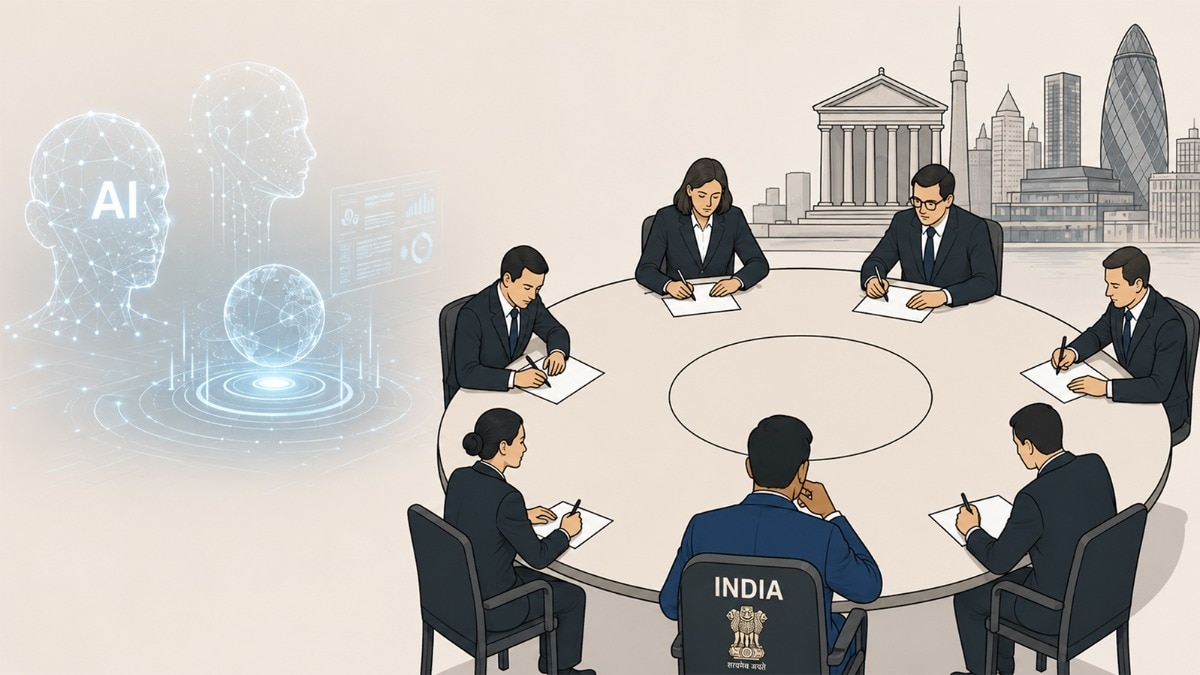
An India Today opinion analysis, published June 7, 2026, argues that the decisive contest in artificial intelligence will be fought over rule-making and standards rather than raw model capability. The piece draws on the February 2022 removal of several Russian banks from the SWIFT financial-messaging network, and earlier restrictions on Iran, to illustrate how control of standards and infrastructure can project economic and geopolitical power. It contends that standards bodies, audit frameworks, and regulators - not benchmark scores - will decide how AI systems are explained, trusted, and admitted into regulated sectors such as finance, and argues India has an opportunity to help shape those rules. The essay frames technological capability as transient and standards as durable leverage. The thesis is the author's opinion rather than a report of a specific policy action.
What happened
India Today published an opinion analysis on June 7, 2026 arguing that the next phase of AI competition will center on rules and standards rather than model capability. The piece recalls that SWIFT removed several Russian banks from its financial-messaging network in February 2022, and references earlier restrictions on Iran, to argue that control over shared standards and infrastructure can serve as economic and geopolitical leverage. It contends that standards bodies, audit frameworks, and regulators will increasingly determine how AI is documented, explained, trusted, and admitted into regulated systems such as finance, and it argues that India has an opportunity to help write those rules. (Independent reporting on the 2022 SWIFT action is cited below for the historical claim.)
Editorial analysis - why standards matter
Industry-pattern observation: technical standards, certification regimes, and interoperability rules often decide which systems can operate across regulated markets and which vendors gain privileged access. For practitioners, that translates into concrete requirements around model documentation, explainability, logging and telemetry, data provenance, and integration with financial rails. Standards work tends to lock in protocols and compliance obligations that raise switching costs.
Context and significance
For data scientists and ML engineers, the argument implies that non-technical processes - standards committees, regulatory consultations, and cross-border negotiations - will materially shape deployment constraints, certification requirements, and auditability expectations in regulated sectors. It is a familiar dynamic from payment-messaging and accounting norms, which shaped markets long after the underlying technology matured.
What to watch
- •Positions taken in AI-and-finance standards bodies and regulatory consultations.
- •The emergence of mandatory documentation or certification regimes for model explainability, safety, and provenance.
- •References to payment networks and messaging standards inside new AI regulatory texts.
Note: This item summarizes an opinion essay; the framing and conclusions are the author's, not a report of a specific policy action.
Key Points
- 1Standards and audit regimes, more than benchmark wins, may determine which AI systems can operate in regulated markets such as finance.
- 2The SWIFT exclusion of Russian banks in 2022 is used as a historical analogy for how control of critical standards confers durable leverage.
- 3Participation in standards-setting is framed as an upstream lever over market access and compliance cost - an opinion the piece urges India to act on.
Scoring Rationale
This is a single-outlet opinion essay on AI governance rather than a report of a concrete policy action, which caps its weight, but the thesis - that standards, audits, and rule-making will gate AI deployment in regulated sectors - is genuinely relevant to practitioners building compliant systems. The historical SWIFT analogy is independently verifiable, though the original column could not be located to confirm its exact wording. Scored as solid-but-not-major commentary.
Sources
Public references used for this report.
Practice interview problems based on real data
1,625 SQL & Python problems across 15 industry datasets — the exact type of data you work with.
Try 250 free problems