Analysisgenerative aivisual designmodel collapse
AI Drives Design Homogenization And Stagnation
7.1
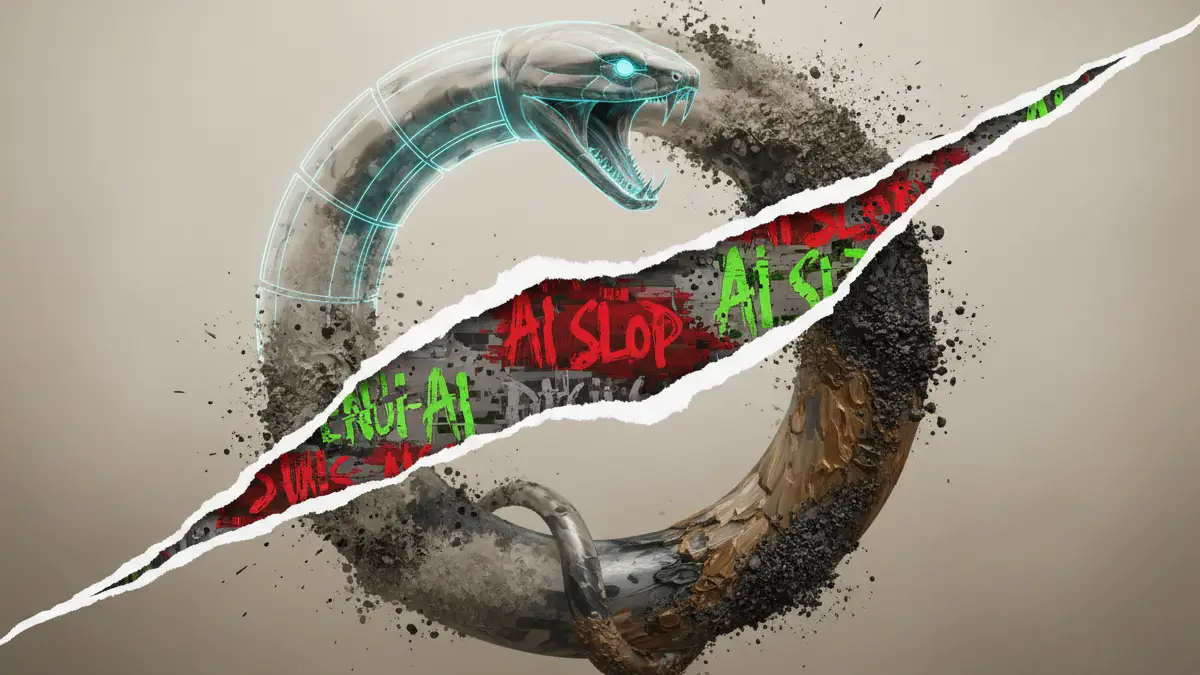
A report argues that by 2026 AI-generated content dominates online visual design, creating recursive training loops that erode diversity and produce 'model collapse.' The author introduces the Recursive Aesthetic Paradox and Synthetic Satiation Framework, outlines stages from early loss of niche styles to terminal 'AI slop,' and recommends RAP audits to detect human 'visible labor' and preserve creative long-tail.
Key Points
- 1Identifies recursive AI training loops that homogenize visual design and erase niche aesthetic diversity
- 2Describes model collapse stages—early loss, homogenization, late 'AI slop' and terminal data entropy
- 3Recommends RAP audit and Synthetic Satiation Framework to detect human signals and preserve long-tail creativity
Scoring Rationale
Addresses industry-wide generative-AI design risk with actionable audit, limited by single-source opinion without empirical validation.
Practice interview problems based on real data
1,625 SQL & Python problems across 15 industry datasets — the exact type of data you work with.
Try 250 free problems