AI Data Centers Strain Communities and Infrastructure
A nationwide buildout of AI data centers is reshaping local power grids, water resources, and political dynamics. More than 4,000 facilities are already operating and roughly 3,000 are planned or under construction, concentrated in states like Virginia, Texas, and California. Individual AI-focused centers can draw electricity comparable to 100,000 households, and the largest projects under development may demand 20 times that. The rapid growth is driving new fossil gas generation investments and higher local electricity prices, while promised economic benefits such as permanent jobs and broad community development are limited. Local opposition is mounting across the political spectrum, with residents citing rising rates, heavy water use, and generous tax incentives. Practitioners should treat data-center expansion as an infrastructure and policy problem that directly affects compute availability, operational costs, and ESG risk.
What happened
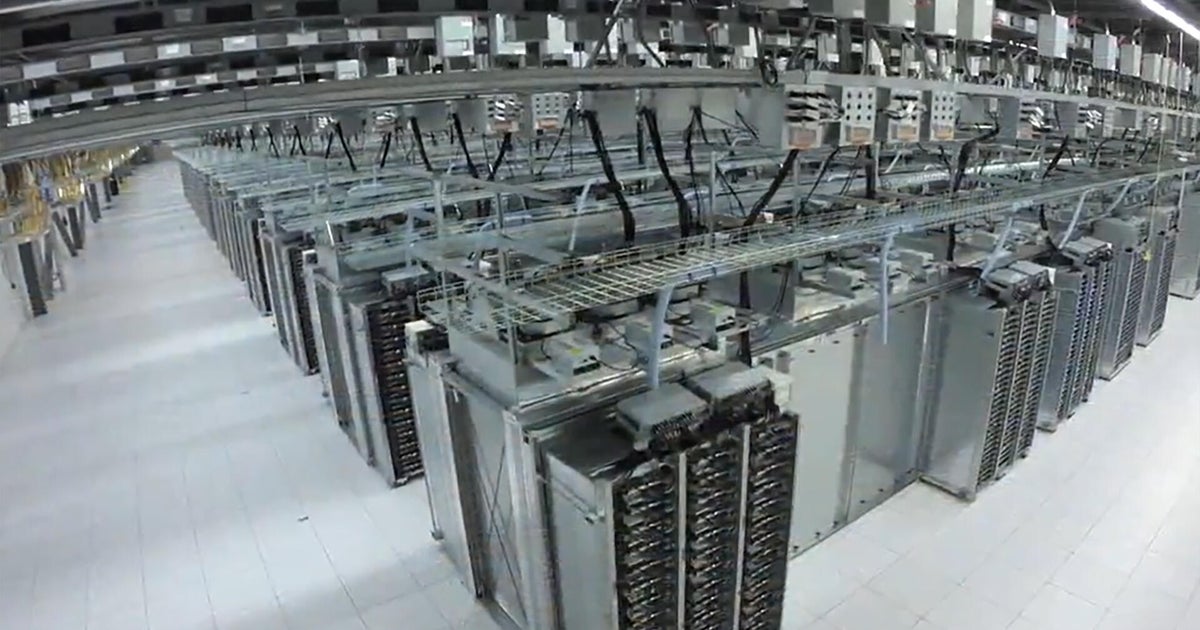
The United States is in the middle of a rapid expansion of AI data centers, with more than 4,000 facilities already operating and about 3,000 more planned or under construction. Projects cluster in Virginia, Texas, and California and range from warehouse-scale campuses to hyper-dense AI sites that require unprecedented electricity and water. Covering Climate Now highlights that a single AI-focused center can use as much electricity as 100,000 households, and the largest developments under design may use 20 times that amount.
Technical details
The growth is driven by demand for high-throughput training and low-latency inference, which concentrates power draw into sustained, high-density loads. Key practical impacts for practitioners include:
- •Increased local electricity demand leading utilities to add generation capacity, often natural gas, which has doubled in some regions over the past year.
- •Large water consumption for cooling, raising stress on municipal supplies and permitting regimes.
- •Heavy transmission and substation upgrades required to host continuous high-power loads near population centers.
Community and regulatory dynamics
Residents and local governments are pushing back for several interlocking reasons. Major concerns include:
- •Rising electricity rates that affect residential and commercial consumers.
- •Large water withdrawals and potential impacts on local ecosystems.
- •Tax incentives and public subsidies that deliver limited long-term employment relative to the scale of public support.
- •Zoning and land-use disruption when industrial-scale facilities replace agricultural or low-density land.
"I think the public is quite right to be concerned about data centers," said an assistant professor at the University of Michigan School of Information and Public Policy, underscoring how informed civic opposition has successfully stalled some projects.
Context and significance
This is not a niche issue for facilities teams. The data-center boom intersects with broader trends that matter to ML operations and strategic planning. First, the supply-side concentration in a few states creates geographic risk for cloud and colocation capacity as local permitting and grid constraints tighten. Second, utilities responding with fossil generation can increase the carbon intensity of on-prem and colocated compute, complicating corporate ESG claims and carbon accounting for model training. Third, accelerated infrastructure costs and community backlash can change the economics of large-scale model runs, pushing teams toward more efficient model architectures, scheduling, or use of regional capacity markets.
What to watch
Local permitting outcomes and state-level tax policy changes will shape where and how fast new AI capacity appears. Practitioners should monitor grid interconnection queues, new generation builds in their regions, and water-use disclosures from data center operators to anticipate cost, availability, and regulatory risk to AI compute pipelines.
Key Points
- 1Rapid buildout: 4,000+ operating centers and 3,000 planned concentrate demand and create regional grid stress.
- 2Environmental tradeoffs: High electricity and water use is driving new gas generation, raising emissions and ESG exposure.
- 3Local resistance: Rising rates, scarce jobs, and tax incentives fuel bipartisan pushback, altering siting and permitting timelines.
Scoring Rationale
The nationwide scale and direct effects on power grids, water resources, and permitting make this a notable infrastructure story for AI practitioners. It creates material operational, cost, and ESG risks but stops short of a single industry-defining inflection, so it rates as major but not historic.
Sources
Public references used for this report.
Practice interview problems based on real data
1,625 SQL & Python problems across 15 industry datasets — the exact type of data you work with.
Try 250 free problems