AI data centers consume far more fiber than legacy designs
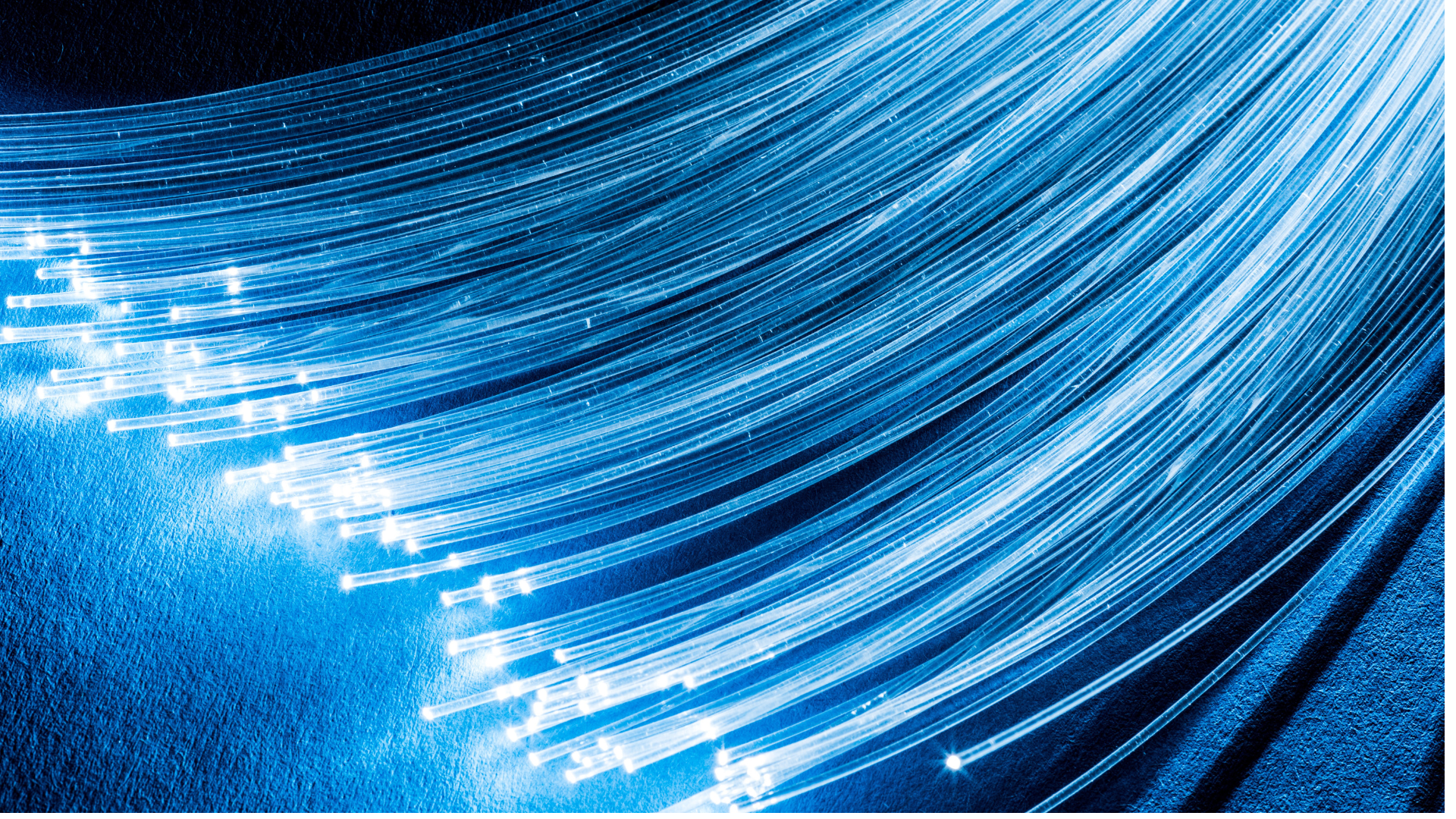
Tom's Hardware reports that rapid AI data center build-outs are outpacing optical-fiber supply, with major Chinese manufacturers booking orders into early 2027 and delivery cycles stretched from weeks to months. The outlet cites CRU data showing data center fiber demand grew about 76% year-on-year in 2025 and projects the segment will represent 30% of global fiber demand by 2027, up from below 5% in 2024. Tom's Hardware also cites industry reporting that new optical-fiber preform capacity typically requires 18 to 24 months to bring online. This magnified fiber intensity, reported by Rahul Puri and others as roughly 36 times the fiber per rack versus traditional CPU server deployments, creates a multi-year supply timing mismatch for AI infrastructure.
What happened
Tom's Hardware reports that AI-focused data center construction is creating fiber demand that supply chains cannot currently match. The article reports major Chinese manufacturers have booked orders into early 2027 and that delivery cycles for some cable products have stretched from weeks to months, per conversations the outlet attributes to industry sources. Tom's Hardware cites CRU data that data center fiber demand grew roughly 76% year-on-year in 2025, and that the data-center segment is projected to account for 30% of global fiber demand by 2027, up from below 5% in 2024.
Technical details
Tom's Hardware cites reporting that the higher fiber intensity for AI clusters stems from much denser interconnect fabrics; the article references Rahul Puri, CEO of STL's Optical Networking Business, as telling Fierce Network in December that AI-focused data centers require approximately 36 times more fiber than traditional CPU-server racks. The piece also highlights a manufacturing constraint: the production of optical-fiber preforms, the glass rods from which fiber is drawn, is technically demanding and has high barriers to entry. Tom's Hardware cites DigiTimes reporting that new preform capacity typically takes 18 to 24 months to build, which limits near-term supply even if downstream cable drawing could scale faster.
Context and significance
The combination of a large multiplier in per-rack fiber use and long lead times for preform capacity creates a structural lag between demand and the earliest feasible supply expansion. Industry-pattern observations: suppliers often run existing draw lines at full utilization before new preform lines come online, which shifts bottlenecks upstream to specialty glass and preform manufacturing rather than to cable assembly alone.
What to watch
For practitioners
monitor announced preform-factory capacity expansions, procurement lead times from major suppliers (reported bookings into 2027), and design changes that reduce fiber counts per rack. Observers should also track alternative interconnect approaches and supplier diversification signals from hyperscalers and major telcos, since those are the levers that historically reduce concentration risk in optical supply chains.
Key Points
- 1AI training clusters use dramatically more fiber per rack, creating multiplier effects on component demand and procurement timelines.
- 2Preform production is the choke point: new capacity typically needs 18-24 months, so supply cannot match sudden demand jumps.
- 3Practitioners face longer cable lead times and should monitor supplier bookings, announced capacity expansions, and design options to reduce fiber counts.
Scoring Rationale
This story flags a material infrastructure constraint for AI deployments: large fiber multipliers and long preform lead times can delay data center rollouts and raise procurement risk. The immediate operational impact is significant for cluster planners and network engineers.
Practice with real Telecom & ISP data
90 SQL & Python problems · 15 industry datasets
250 free problems · No credit card
See all Telecom & ISP problems