AI Co-Pilot Enables Intuitive Bionic Hand Control
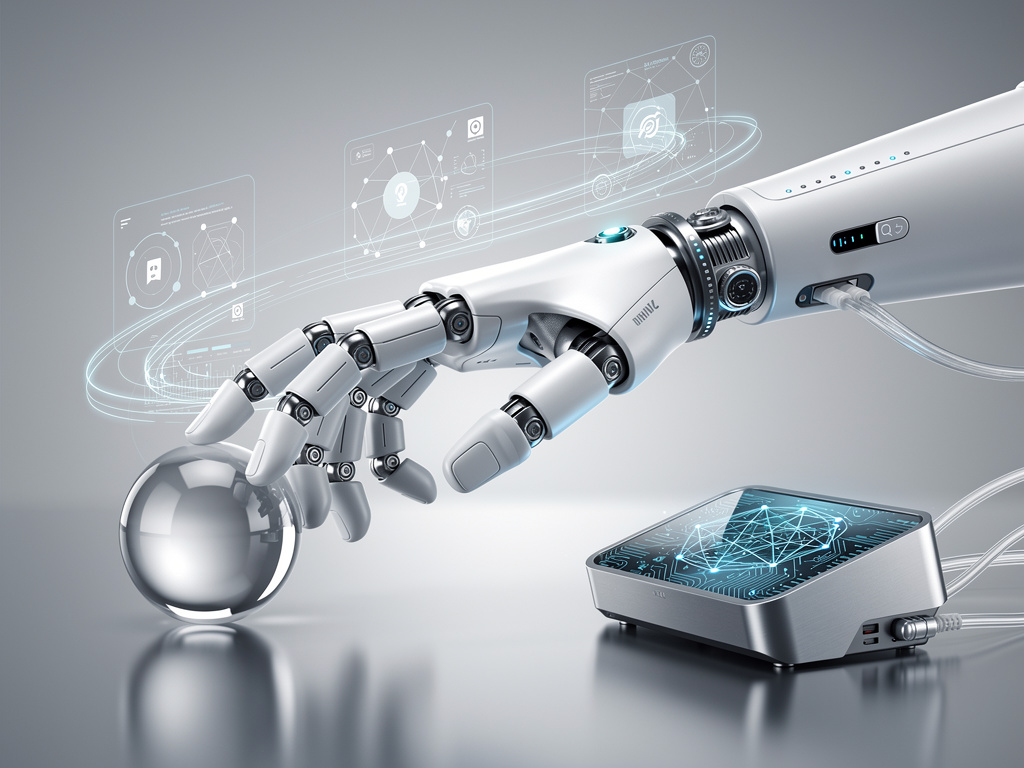
Researchers at Newcastle University and collaborators recently developed an AI 'co-pilot' for bionic hands that integrates sensors, electromyography (EMG) and machine learning to share control of individual fingers and anticipate movements. Early tests show improved dexterity and reduced fatigue in delicate tasks, suggesting lower prosthetic abandonment, though costs (often over $50,000), regulatory approval and data-privacy concerns remain obstacles to broad adoption.
Key Points
- 1Demonstrates shared-control AI 'co-pilot' integrating EMG sensors to autonomously adjust grips and finger positions
- 2Improves dexterity and reduces user fatigue in delicate tasks, addressing prosthetic usability and abandonment
- 3Enables practitioners to design adaptive controllers and training protocols, but cost, regulation, privacy limit deployment
Scoring Rationale
Notable university-backed shared-control results with demonstrated user benefits, but limited by cost, regulatory hurdles and early-stage validation.
Sources
Public references used for this report.
Practice interview problems based on real data
1,625 SQL & Python problems across 15 industry datasets — the exact type of data you work with.
Try 250 free problems