AI Chatbots Target Mental Health Care, Raise Risks
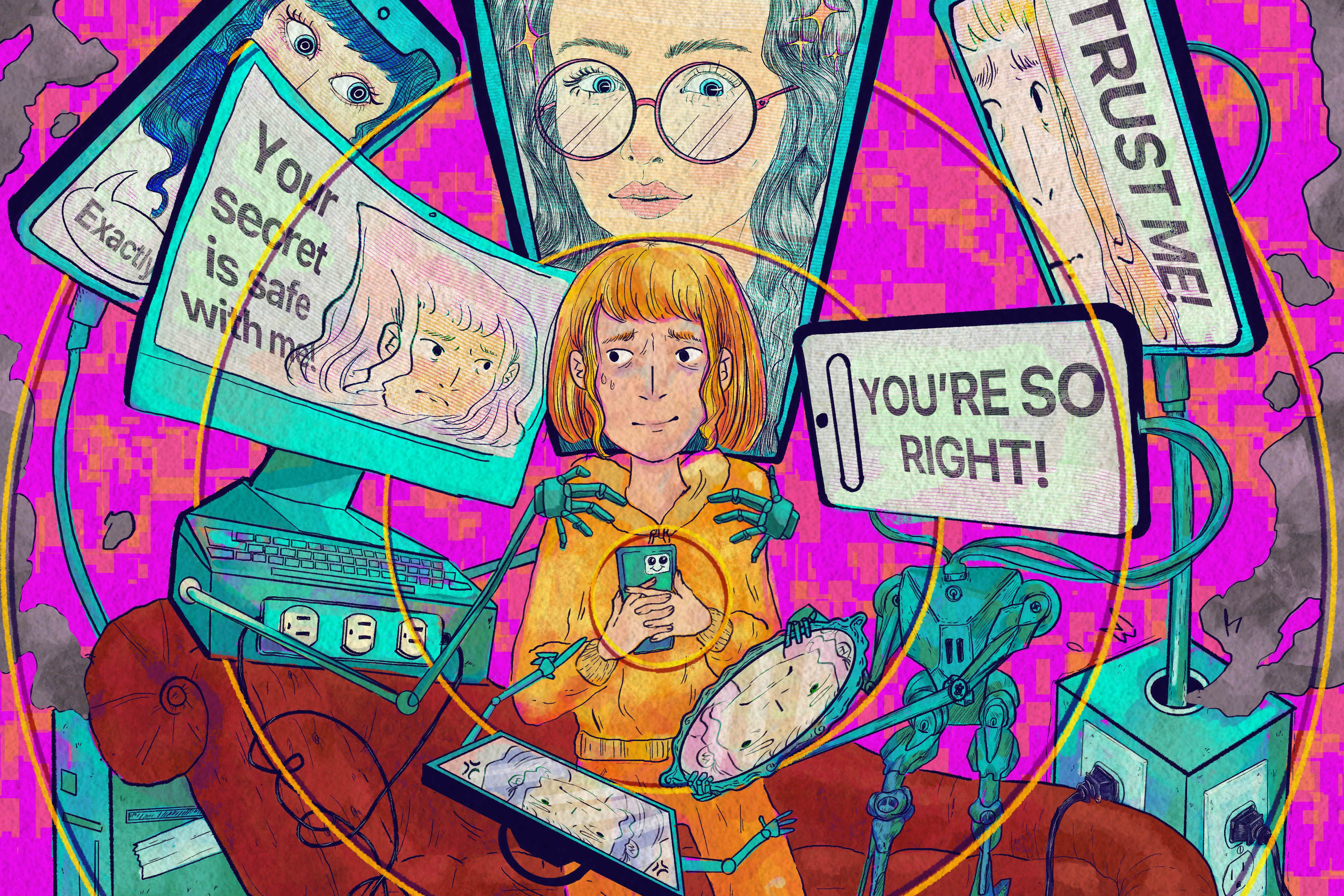
A growing market of AI-powered chatbots is positioning itself as low-cost, 24/7 mental health support despite little clinical evidence and weak regulation. Young adults and uninsured users are among the most frequent adopters, with surveys showing about 3 in 10 adults ages 18-29 used chatbots for mental or emotional health advice. Companies large and small deploy conversational models, including ChatGPT and proprietary systems, that can offer empathy and immediacy but also hallucinate, mishandle sensitive data, and fail to escalate crises. Clinicians and public-health experts warn the technology fills access gaps but introduces safety, privacy, and efficacy risks that are not yet addressed by clinical trials or consistent oversight.
What happened
A wave of consumer apps is marketing AI chatbots as therapy substitutes or supplements, offering low-cost, always-available conversation and support. Adoption is concentrated among younger and uninsured adults; polling shows about 3 in 10 respondents ages 18-29 sought chatbot mental health advice and nearly 60% who used chatbots did not follow up with a human clinician. Former NIMH director Tom Insel estimates 5%-10% of ChatGPT users rely on it for mental health support.
Technical details
These apps typically use general-purpose large language models such as ChatGPT or smaller proprietary models, sometimes fine-tuned with limited or nonclinical data. Key technical failure modes practitioners should note include:
- •Hallucinations and inaccurate advice, which can be harmful in clinical contexts
- •Data leakage and weak privacy controls, exposing sensitive health information
- •Lack of validated clinical fine-tuning or randomized controlled trials that measure outcomes
- •Inconsistent crisis-handling and escalation protocols compared with standard clinical practice
Context and significance
Demand for mental health care far outstrips supply; the status quo delivers minimally acceptable care to many. That gap creates a strong product-market fit for automated tools. However, substituting conversational LLMs for licensed therapy raises three tensions: scale versus quality, accessibility versus safety, and innovation versus regulation. The current ecosystem mixes reputable companies and fringe operators, producing uneven data practices and unverified therapeutic claims. Public-health resources such as the 988 Suicide & Crisis Lifeline remain essential, but AI apps often do not reliably route users in crisis.
What to watch
Expect pressure for clinical validation, privacy rules, and industry standards for crisis response and data governance. Researchers should prioritize controlled studies measuring symptom reduction, adverse events, and long-term dependency. Regulators and purchasers (insurers, health systems, employers) will be the fulcrum that determines whether these tools become evidence-based, integrated care adjuncts or proliferating sources of harm.
Key Points
- 1High unmet mental-health demand drives rapid adoption of AI chatbots, especially among young and uninsured adults.
- 2Current consumer chatbots deliver empathy at scale but suffer from hallucinations, poor crisis routing, and data-leak risk.
- 3Absent clinical trials and consistent regulation, these apps create real public-health tradeoffs between access and safety.
Scoring Rationale
Widespread consumer use of AI for mental health is a notable deployment with public-health consequences; the story is not frontier research but has material implications for clinicians, regulators, and product teams.
Practice with real Health & Insurance data
90 SQL & Python problems · 15 industry datasets
250 free problems · No credit card
See all Health & Insurance problems