Aging Nvidia GPUs Hit End-of-Life, Replace With RTX
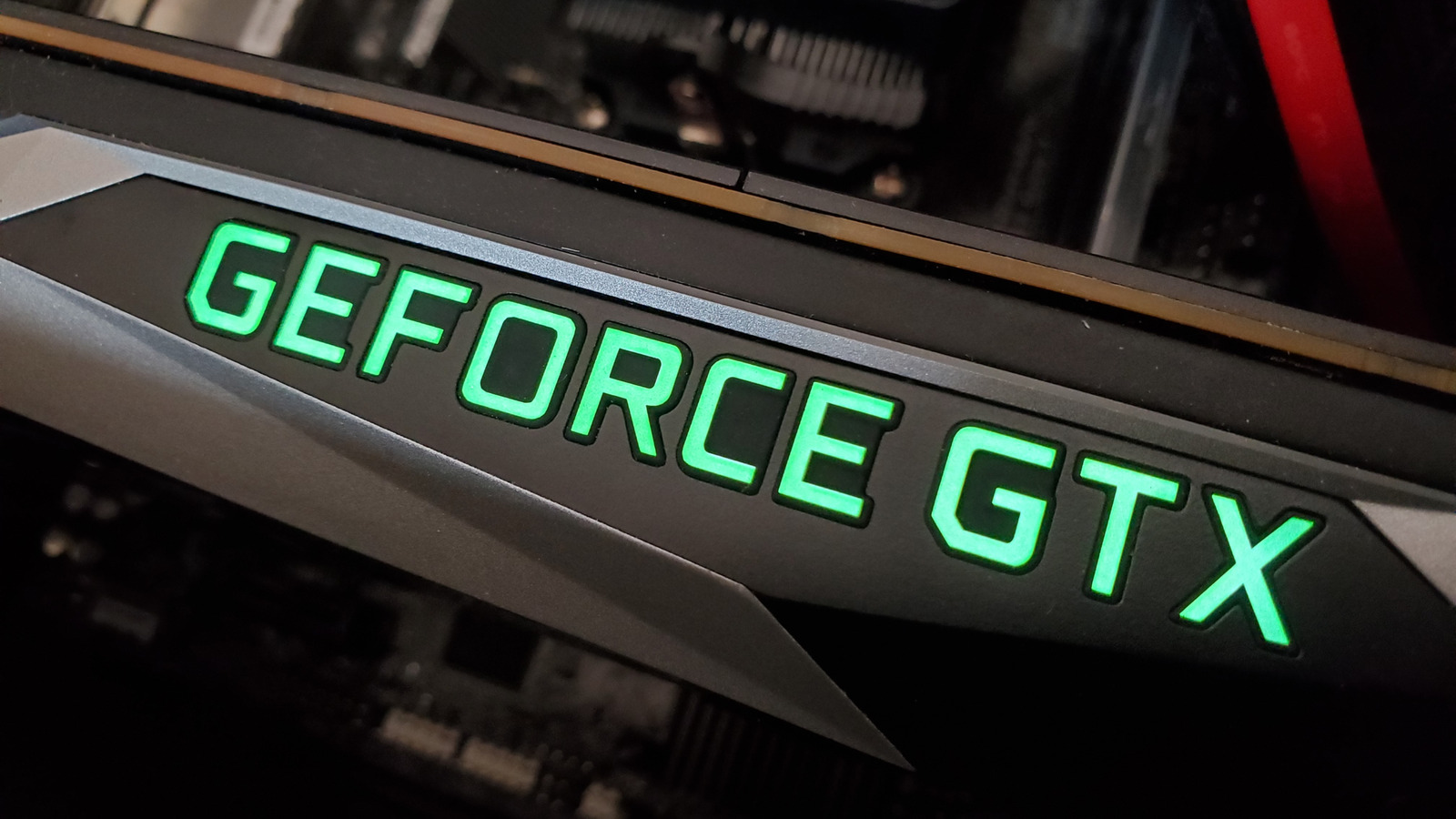
Nvidia has moved several legacy GeForce lines into end-of-life after the 580 driver cycle closed in December 2025. The company sunset support for the GTX 700, GTX 900, and GTX 10-series, shifting them to security-only updates through 2028 while newer driver branches like the 595/590 family receive active fixes. The market impact is practical: these GPUs lack modern hardware features and may lose compatibility with the latest CUDA toolchains and OS integrations. For practitioners and gamers, continuing to rely on these cards increases operational risk and reduces performance headroom; upgrading to contemporary RTX hardware preserves access to current drivers, tensor and ray-tracing cores, and better power efficiency.
What happened
Nvidia moved legacy GeForce product lines into end-of-life following the closure of the 580 driver cycle at the end of December, 2025. The affected lines are the GTX 700, GTX 900, and GTX 10-series, which now receive only security updates through 2028 while newer driver branches such as the 595/590 families get active maintenance and fixes.
Technical details
The retired cards largely predate Nvidia's RTX architecture and therefore lack hardware features that matter for modern workloads. That includes the absence of native tensor cores and dedicated RT cores, more limited support for mixed precision like BF16, and potential incompatibilities with the latest CUDA toolkit and driver interfaces. The company finalized the 595 drivers with notable Linux fixes; legacy branches will not see feature backports going forward.
- •Lack of tensor cores reduces ML throughput on GTX cards compared with RTX models.
- •No hardware-accelerated ray tracing or limited RT performance for graphics workloads.
- •Driver lifecycle limited to security fixes until 2028, no feature or performance updates.
Context and significance
Nvidia controls roughly 95% of the discrete GPU market, so its driver and lifecycle policies shape both consumer upgrade cycles and infrastructure procurement. For data scientists and ML engineers, this matters because GPU compatibility with CUDA, cuDNN, and OS drivers affects reproducibility, container builds, and cloud-to-edge parity. Retiring older cards accelerates migration pressure toward RTX-class hardware, which provides better performance per watt, native mixed-precision support, and more predictable long-term driver support.
What to watch
Inventory and procurement teams should audit fleets for GTX 10-series or older GPUs and plan replacement windows aligned with project timelines. For developers, validate CI/CD GPU images against the supported driver branches to avoid runtime surprises when legacy hardware leaves standard maintenance.
Key Points
- 1Nvidia ended feature support for GTX 700, 900, and 10-series after the 580 driver cycle, leaving only security updates through 2028.
- 2Legacy GTX cards lack tensor cores and modern mixed-precision support, reducing ML throughput and future compatibility with CUDA toolchains.
- 3Enterprises and practitioners should audit GPU fleets and prioritize upgrades to RTX hardware for stability, performance, and maintained driver support.
Scoring Rationale
The EOL decision affects a broad installed base and has operational implications for ML and compute planning, but it is an expected vendor lifecycle move rather than a novel technical breakthrough. It is notable for procurement and platform teams.
Practice with real Ride-Hailing data
90 SQL & Python problems · 15 industry datasets
250 free problems · No credit card
See all Ride-Hailing problems