Agentic AI Forces Rethink of Network Edge
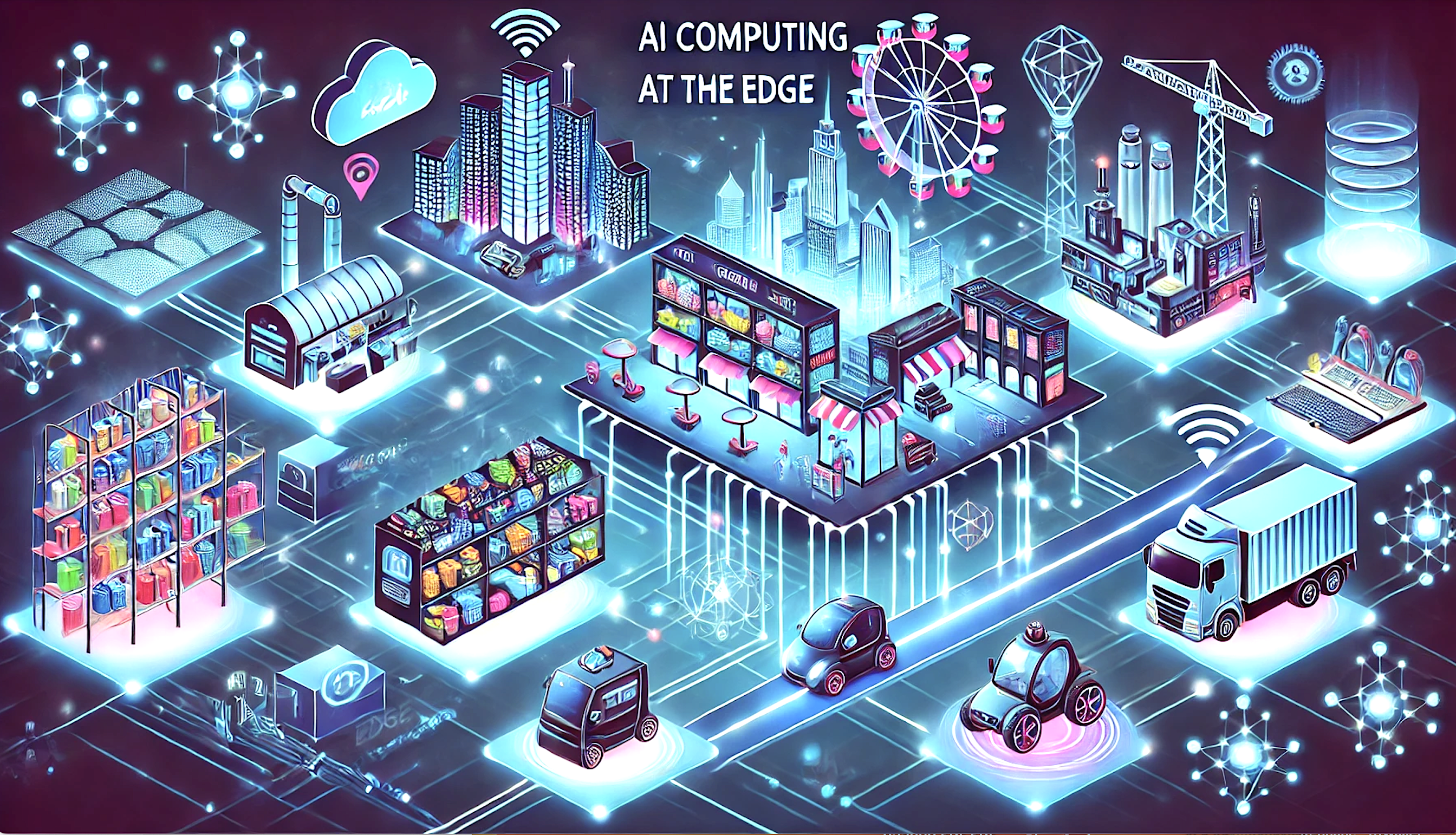
Agentic AI, systems that perceive, decide, act and learn autonomously, changes the role of wide-area networks from simple connectivity to the operational fabric for distributed agents. Edge deployments such as autonomous vehicles, factory floors and smart cities require millisecond decisioning, local coordination across multiple agents, and resilience to intermittent WAN connectivity. Traditional hub-and-spoke cloud models and centralized inference pipelines are inadequate; agentic systems demand local compute, peer-to-peer synchronization, adaptive routing, and observability baked into WAN design. Network architects must prioritize latency, availability, and local failover logic to enable safe, timely agent behavior while balancing consistency and bandwidth for cross-site coordination.
What happened
Agentic AI, autonomous systems that perceive, decide, act and learn without continuous human oversight, is shifting the locus of intelligence to the network edge. This change makes the WAN not just plumbing but the mission-critical fabric that enables distributed agents to synchronize state, share insights and coordinate actions in real time. Edge deployments face millisecond decision windows and intermittent connectivity, so sending raw telemetry to remote clouds is often impractical.
Technical details
Edge agents must execute locally and reconcile with peers or clouds when connectivity allows. Practitioners should expect these architectural requirements:
- •Low-latency local compute: GPUs/accelerators or lightweight neural inference stacks colocated with agents for sub-100ms decisioning.
- •Peer-to-peer synchronization: state exchange and conflict resolution protocols to keep distributed agents coherent when central control is unreachable.
- •Adaptive WAN behavior: dynamic path selection, traffic prioritization and on-device policy engines to maintain critical functions during degradation.
- •Observability and safety hooks: distributed telemetry, rollbacks and verifiable decision logs to audit agent actions.
Context and significance
This is a fundamental infrastructure shift, not an incremental optimization. Past AI deployments centralized heavy compute in training clusters and routed inference traffic to cloud endpoints. Agentic AI reverses that flow: inference and much of decision logic move to the edge, with WAN links used for coordination, model deltas and aggregated telemetry. That amplifies requirements for deterministic latency, per-flow SLAs, and secure, auditable replication. Networking vendors, cloud providers and edge orchestration platforms will compete to provide integrated stacks that combine local ML runtimes, secure connectivity, and synchronization primitives.
What to watch
Evaluate your edge architecture for local inference capacity, conflict-resolution semantics for state sharing, and adaptive WAN policies. Standards for agent coordination protocols and network-level safety guarantees will emerge and determine which platforms win in enterprise and public deployments.
Key Points
- 1Agentic AI relocates decisioning to the edge, forcing WANs to be real-time fabrics for agent state and coordination.
- 2Practitioners must combine local inference, peer sync protocols and adaptive WAN policies to meet millisecond latency and resilience.
- 3Network vendors and cloud providers that bundle edge ML runtimes with secure, observable connectivity will gain enterprise traction.
Scoring Rationale
This is a notable infrastructure shift with practical implications for network architects and edge ML teams. It changes design priorities for latency, availability and state synchronization, so it matters for practitioners but is not a single technical breakthrough.
Practice interview problems based on real data
1,625 SQL & Python problems across 15 industry datasets — the exact type of data you work with.
Try 250 free problems