Zilis Testifies Musk Offered Altman Tesla Board Seat
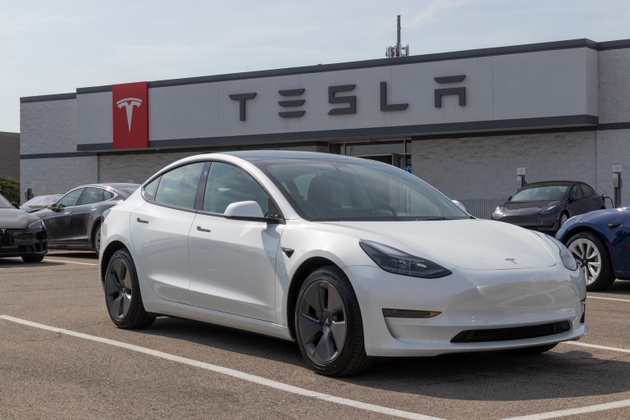
Shivon Zilis, a former OpenAI board member and mother of four of Elon Musk's children, testified at the federal Musk v. Altman trial in Oakland that Musk at one point considered offering Sam Altman a seat on Tesla's board, according to CNBC and Bloomberg. Zilis said OpenAI's corporate structure was debated "ad nauseam" in 2017 and 2018, per CNBC. WIRED reported that emails shown to the jury indicated Musk discussed recruiting Altman to a Tesla AI lab and offering a board seat. The dispute stems from Musk's 2024 lawsuit alleging OpenAI and its executives broke promises about the organization's nonprofit commitments, as reported by CNBC.
What happened
Shivon Zilis, a former OpenAI board member, testified at the federal Musk v. Altman trial in Oakland, California, on May 6, 2026, according to CNBC and Bloomberg. Zilis, who has four children with Elon Musk, told the court she acted as a liaison among the founders while OpenAI's structure was debated, and that those discussions occurred "ad nauseam," CNBC reports. Bloomberg and WIRED reported that jurors were shown emails from late 2017 that indicate Musk at one point weighed recruiting Sam Altman to a Tesla AI lab and offering Altman a seat on Tesla's board.
Technical details
Reporting in WIRED and Bloomberg describes email exchanges and contemporaneous messages presented at trial that discuss options for creating a "world-class AI lab" inside Tesla and potential governance arrangements. CNBC and Bloomberg noted Zilis was asked about multiple for-profit structures that were considered for OpenAI in 2017 and 2018. The filings and exhibits shown in court form the factual record for these claims, as summarized by Bloomberg and CNBC.
Context and significance
What to watch
- •Editorial analysis: Observers will follow whether additional documents shown at trial clarify the timeline and intent of the discussions about folding AI work into Tesla, as reported by WIRED and Bloomberg.
- •Editorial analysis: Further testimony from named executives, including Sam Altman or outside witnesses such as Satya Nadella if called, could expand the record on who proposed which structures and when, per CNBC reporting on potential future witnesses.
- •Editorial analysis: The jury outcome and any subsequent appeals could influence how founders and boards document mission commitments and governance changes in AI organizations, a broader pattern noted by industry commentators.
Reported limitations
Public reports note Zilis was questioned about whether she disclosed her personal ties to Musk while serving on OpenAI's board, per the Wall Street Journal. Multiple outlets also emphasize that the courtroom excerpts and exhibits are a partial record and subject to evidentiary rulings and cross examination, according to Bloomberg and CNBC.
Bottom line
Editorial analysis
High-profile testimony tying leadership discussions to potential corporate transfers or board recruitment illuminates how governance and incentives were debated in the early phase of large AI organizations. Industry observers have highlighted that governance choices in AI startups can materially affect control, funding, and mission alignment, and the Musk v. Altman litigation centers on those contested choices, per public reporting by CNBC and Bloomberg.
For practitioners, the courtroom presentation of internal emails underscores that early governance conversations can become central evidence years later. Comparable disputes in other technology sectors have elevated the importance of documented board minutes, conflict disclosures, and clear charters when startups balance nonprofit missions with commercial scaling.
The testimony presented so far, including the alleged offer of a Tesla board seat, is a concrete element of the larger Musk v. Altman dispute over OpenAI's governance. Practitioners should treat the courtroom record as an evolving dataset that may inform governance best practices in AI organizations, while recognizing that legal findings and public narratives can diverge as litigation progresses.
Key Points
- 1Zilis testified that Musk considered offering Altman a Tesla board seat, with emails shown at trial, highlighting early governance talks.
- 2Court exhibits and testimony focus on 2017-2018 debates over OpenAI's structure, underlining how early governance choices later become litigated evidence.
- 3Industry observers note governance disputes in AI firms tend to raise scrutiny on documentation, conflict disclosure, and mission-to-commercial transitions.
Scoring Rationale
The trial concerns corporate governance at one of the most influential AI organizations and includes contemporaneous emails and testimony; this is notable for practitioners because governance outcomes affect control, incentives, and public trust in AI. The story is legally focused rather than technical, so its immediate operational impact on models and tooling is moderate.
Sources
Public references used for this report.
View 8 more sources
- Elon Musk Wanted Tesla to Take Over OpenAI, Romantic Partner Testifies in Courtwsj.com
- Musk Ally Testifies He Once Offered Sam Altman a Tesla Board Seattheinformation.com
- Musk Weighed Offering Altman Tesla Board Seat, Jury Told (1)news.bloomberglaw.com
- All the evidence revealed so far in Musk v. Altmantheverge.com
- Musk explored folding OpenAI into Tesla, court hears - Tech in Asiatechinasia.com
- Musk weighed offering Altman Tesla board seat, jury told - MSNmsn.com
- Elon Musk weighed offering Sam Altman a Tesla board seat, jury toldbusiness-standard.com
- Elon Musk Tried to Recruit OpenAI CEO Sam Altman to Teslaincrypted.com
Practice interview problems based on real data
1,625 SQL & Python problems across 15 industry datasets — the exact type of data you work with.
Try 250 free problems