Zhipu AI and DeepSeek Gain US Developer Share
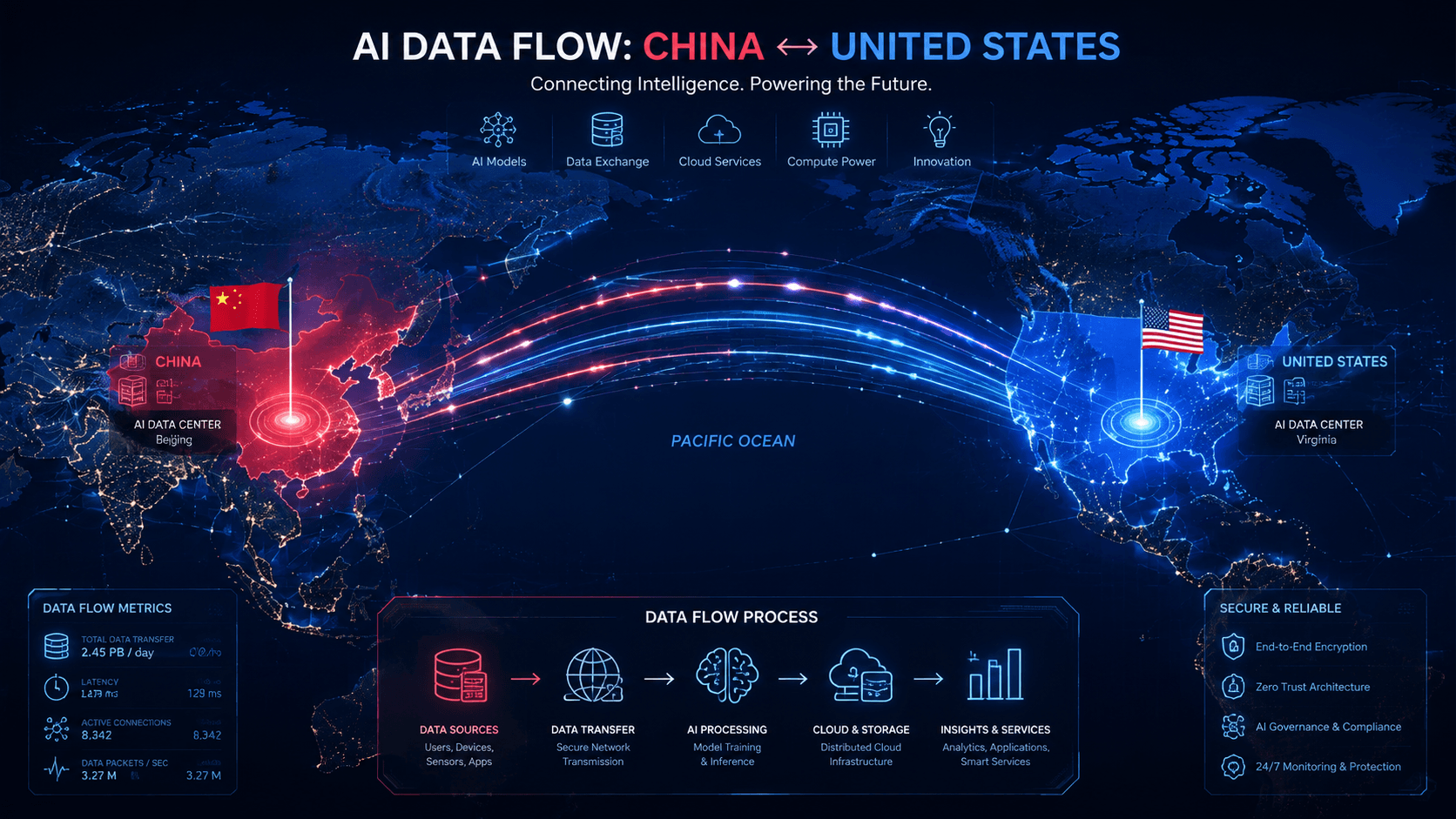
Zhipu AI and DeepSeek are gaining developer attention in the United States because lower-priced Chinese models are narrowing the practical cost-performance gap, according to Pandaily, Dealroom, and broader reporting on OpenRouter usage. Pandaily cites OpenRouter data showing Chinese-model token consumption above 20% weekly share since February 2026, with peaks near 30%, while Dealroom reports Chinese models reached roughly 18 trillion weekly tokens by June versus about 5.5 trillion for U.S. models. For practitioners, the signal is economic: open-weight and low-cost models can make high-volume inference, routing, and private deployment more viable, but security, compliance, benchmark reproducibility, and possible China export controls remain unresolved risks.
The practical implication is that model choice is becoming a procurement and architecture decision as much as a benchmark decision. When open-weight or lower-cost models become good enough for coding, extraction, routing, or back-office tasks, teams can redesign workloads around cost tiers instead of sending every request to the most expensive frontier API. What happened: Pandaily reports that Zhipu AI and DeepSeek are gaining U.S. developer mindshare through cost-effectiveness, citing OpenRouter usage and broader reporting that some U.S. companies are experimenting with Chinese models. Dealroom reported that Chinese models climbed to roughly 18 trillion weekly tokens by June 2026 on OpenRouter, versus about 5.5 trillion for U.S. models. WSJ and Barron's coverage this week also frame Chinese AI vendors as more visible to Western developers because of pricing, open access, and recent model releases. Technical context: Pandaily presents specific price comparisons for DeepSeek and Zhipu models against GPT and Claude variants, but those vendor and aggregator figures should be treated as inputs to testing rather than migration decisions by themselves. Teams need reproducible benchmark runs, latency measurements, data-retention review, jurisdictional risk assessment, and fallback plans before moving production traffic. Market context: The strongest source-backed theme is cost pressure. If a workload can tolerate slightly lower reliability, different moderation behavior, or private deployment effort, cheaper models can reshape routing policies and margin calculations. That puts pressure on U.S. frontier labs to justify premium pricing with capability, reliability, compliance, and enterprise support. What to watch: Watch OpenRouter and similar aggregation data for sustained share, independent benchmark reproduction for GLM and DeepSeek releases, and any Chinese policy limits on advanced model exports or open-weight distribution. Those policy and compliance signals could matter as much as raw model quality for enterprise adoption.
Key Points
- 1Reported OpenRouter share gains show model economics are changing routing decisions for cost-sensitive developer workloads.
- 2Open-weight availability can reduce lock-in, but teams still need security, latency, and compliance validation before migration.
- 3Policy risk around Chinese model access could alter adoption even if benchmark and price performance remain attractive.
Scoring Rationale
The cost and usage shift is notable because it can change model-routing, private-deployment, and vendor-negotiation decisions for ML teams. It remains below major impact until independent benchmarks, enterprise-scale adoption, and policy constraints become clearer.
Sources
Public references used for this report.
Practice interview problems based on real data
1,625 SQL & Python problems across 15 industry datasets — the exact type of data you work with.
Try 250 free problems