
Xiaomi Adopts XLA Cognitive Model for Assisted Driving
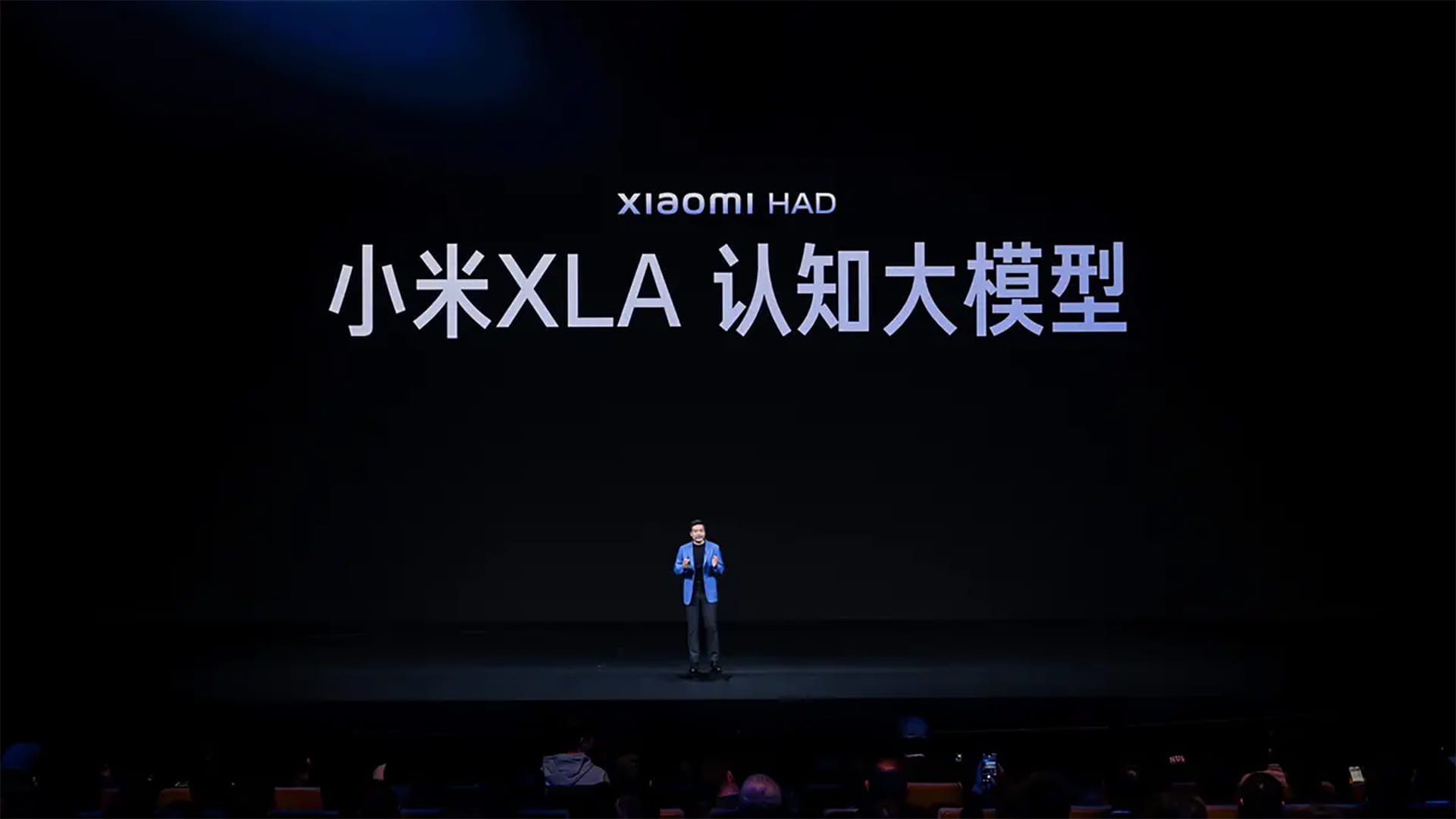
Xiaomi is integrating its in-house cognitive large model XLA into the assisted-driving stack of the SU7 sedan, upgrading the companys Hyper Assisted Driving system (HAD) to use multi-modal perception and embodied-robotics integration for more humanlike decision making. The XLA-driven system is standard across the updated SU7 range and is described as enabling more controllable responses in complex traffic, including parking-space-level navigation. Xiaomi positions this as a move from rule- and sensor-driven ADAS toward cognition-driven autonomy, claiming improved behavior in ambiguous scenarios while leaving validation and regulatory details outstanding.
What happened
Xiaomi is deploying its in-house cognitive large model XLA inside the assisted-driving stack of the SU7 electric sedan, upgrading the vehicle's Hyper Assisted Driving system (HAD) to use multi-modal perception and embodied-robotics integration. Lei Jun, founder, chairman, and CEO, said "For the first time we have bridged assisted driving and embodied robotics," positioning the change as a step toward more humanlike, controllable driving behavior. The XLA upgrade is announced as standard across the updated SU7 lineup.
Technical details
The public statements emphasize three technical shifts rather than raw model benchmarks: XLA is presented as a cognitive foundation model that ingests multi-modal inputs and sits above sensor fusion and motion planning; the HAD stack integrates LiDAR, camera, and potentially other sensors into a cognition-driven decision layer; and the company describes embodied-robotics integration for tasks like parking-space-level navigation, which implies tighter coupling between perception, localization, and low-level control. The sources highlight these capabilities:
- •Multi-modal input and 360-degree perception feeding a cognition layer
- •A decision-making layer intended to produce more controllable, humanlike responses in ambiguous scenarios
- •Embodied-robotics features for precise maneuvering such as mall- or parking-space-level navigation
Context and significance
Applying a foundation-style cognitive model to a safety-critical vehicle control stack is a distinct pivot from classical ADAS architectures that keep perception, prediction, and planning strictly modular and deterministic. This move follows a broader trend of integrating large models into perception and higher-level planning; Xiaomi is notable for shipping an in-house model into a consumer vehicle at scale. The practical implication is twofold: first, potential behavioral improvements in sparse, ambiguous, or socially complex traffic situations; second, a bigger validation and risk-management burden because cognition-driven policies can be harder to interpret and formally verify than rule-based planners.
What to watch
Key signals to evaluate real-world impact will be published validation metrics, third-party testing results, regulatory disclosures, and safety certifications. Watch for technical papers, open benchmarks for XLA in perception/planning tasks, and detailed descriptions of redundancy, failover, and verification strategies that Xiaomi uses to constrain the cognitive layer during control-critical operations.
Key Points
- 1Xiaomi integrates XLA into the SU7, shifting from sensor-first ADAS to a cognition-driven decision layer with embodied-robotics coupling.
- 2Multi-modal inputs and LiDAR integration aim to improve behavior in ambiguous or complex traffic, increasing system capability but also verification complexity.
- 3Real impact depends on validation, fail-safe design, and regulatory acceptance; lack of public benchmarks raises questions about deployment safety and auditability.
Scoring Rationale
Deploying an in-house cognitive foundation model into a consumer vehicle is a notable industry step with practical implications for autonomy development and validation. The story matters to practitioners because it signals wider adoption of foundation models in control loops, but concrete technical details and public benchmarks are limited, keeping the impact below industry-shaking levels.
Sources
Public references used for this report.
View 6 more sources
- Xiaomi to equip updated SU7 with more powerful driver-assist systemcnevpost.com
- Xiaomi HAD assisted driving system has been upgraded with a new ...en.eeworld.com.cn
- Xiaomi Launches Updated SU7 Sedan with More Tech, Lower Price ...driveteslacanada.ca
- China's Xiaomi Unveils Upgraded SU7, With High Expectations ...en.tmtpost.com
- Lei Jun: XIAOMI-W to Launch New Generation SU7 waastocks.com
- Xiaomi SU7 Assisted Driving Upgrade with XLA AI Model Enhances ...globalautoinsight.com
Practice interview problems based on real data
1,625 SQL & Python problems across 15 industry datasets — the exact type of data you work with.
Try 250 free problems
