Winnipeg Police Add AI Translation to Body-Cam Pilot
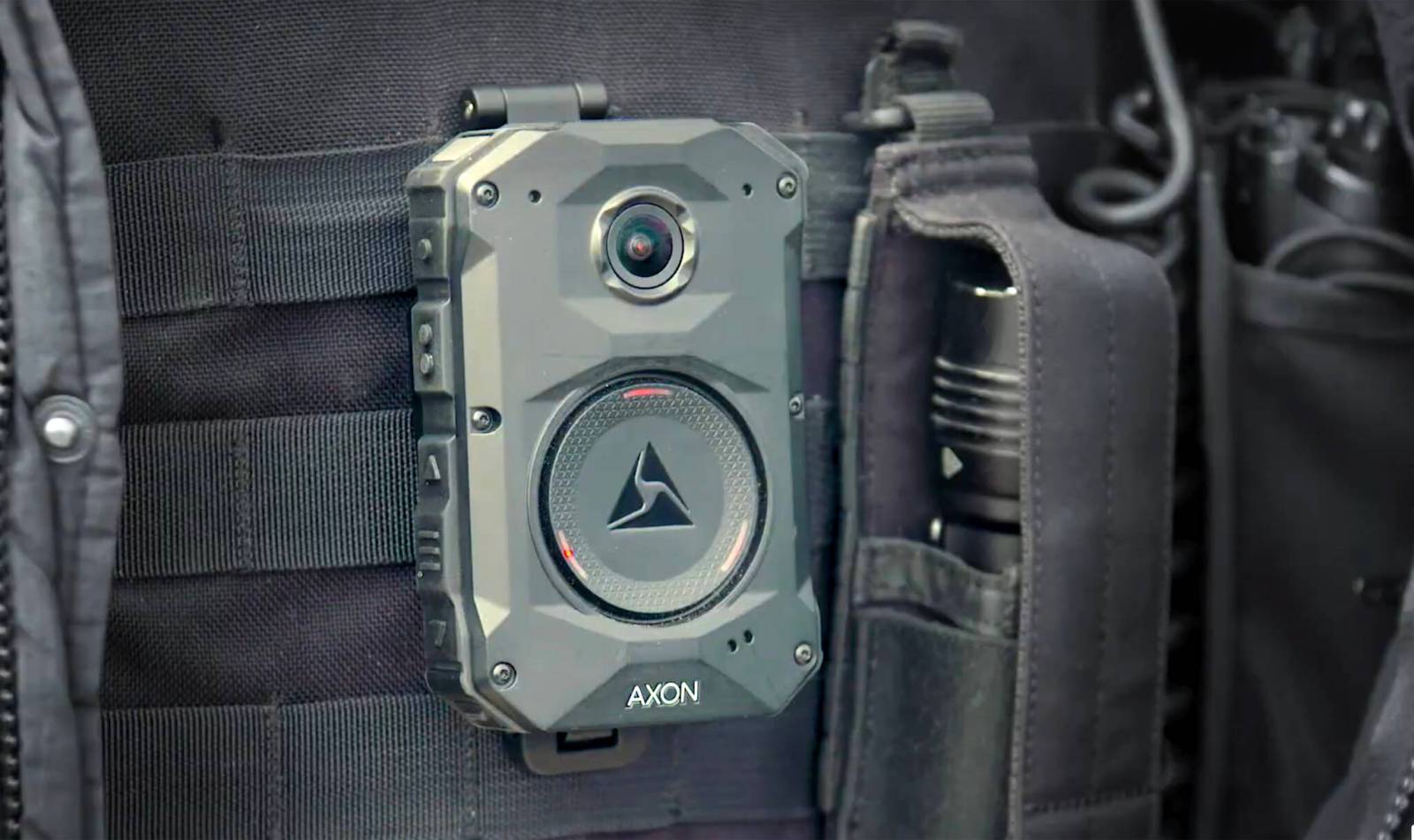
The Winnipeg Police Service is adding an AI translation feature to its body-worn camera pilot, CBC News reported on August 26. The tool recognizes and translates more than 50 languages, enabling officers to hear English translations and respond in English or French. About 40 officers are testing the cameras and receiving training; the service hoped to activate the feature by Friday, according to CBC.
The Winnipeg Police Service is adding an AI translation feature to its body-worn camera pilot, with a database of more than 50 languages, CBC News reported August 26. The feature had not yet been activated at publication, and the service hoped to launch it by Friday.
According to CBC, roughly 40 officers are using the cameras in the pilot and are being trained on the translation software. George Labossiere, the service's deputy chief of operations, described a button-operated workflow in which the device identifies a spoken language, translates it into English, and translates an officer's response in English or French back into the other person's language.
"If an officer should come across somebody and not even recognize the language that they're speaking, they simply have to push one small button, and the device will hear and recognize that language and then translate it to English," Labossiere told CBC.
The Winnipeg Free Press separately reported that the system works with more than 50 languages and that officers can respond in English or French for translation to the language initially spoken.
Translation in a high-stakes setting
Labossiere told CBC that the feature could help people communicate in their native language during emergency situations, when stress can make it difficult to articulate information.
For ML practitioners, the deployment is a reminder that speech translation in public-safety workflows involves more than nominal language coverage. Comparable real-time systems need reliable language identification, automatic speech recognition in noisy environments, translation of short and context-dependent utterances, and understandable output for users operating under time pressure. Performance can vary with accents, code-switching, audio quality, dialect coverage, and specialized terminology.
The available reporting does not describe the tool's model provider, error rates, data retention practices, or the process officers will use when a translation is uncertain. Those implementation details are consequential in police interactions, where a mistaken translation can affect both immediate safety decisions and later review of recorded evidence.
Key Points
- 1Winnipeg police are training about 40 body-camera pilot officers on an AI tool covering more than 50 languages.
- 2The reported workflow combines language identification, speech translation, and bidirectional officer responses in English or French.
- 3Comparable public-safety translation deployments require testing for noisy audio, accents, code-switching, uncertainty handling, and evidence-governance controls.
Scoring Rationale
This is a concrete AI deployment in a high-stakes public-safety setting, with direct relevance to speech and translation-system reliability. Its practitioner significance is tempered by the limited scale of the pilot and the absence of disclosed technical, accuracy, or governance details.
Sources
Public references used for this report.
Practice interview problems based on real data
1,625 SQL & Python problems across 15 industry datasets — the exact type of data you work with.
Try 250 free problems