Wild Plant Ranges Contract After Ice Age
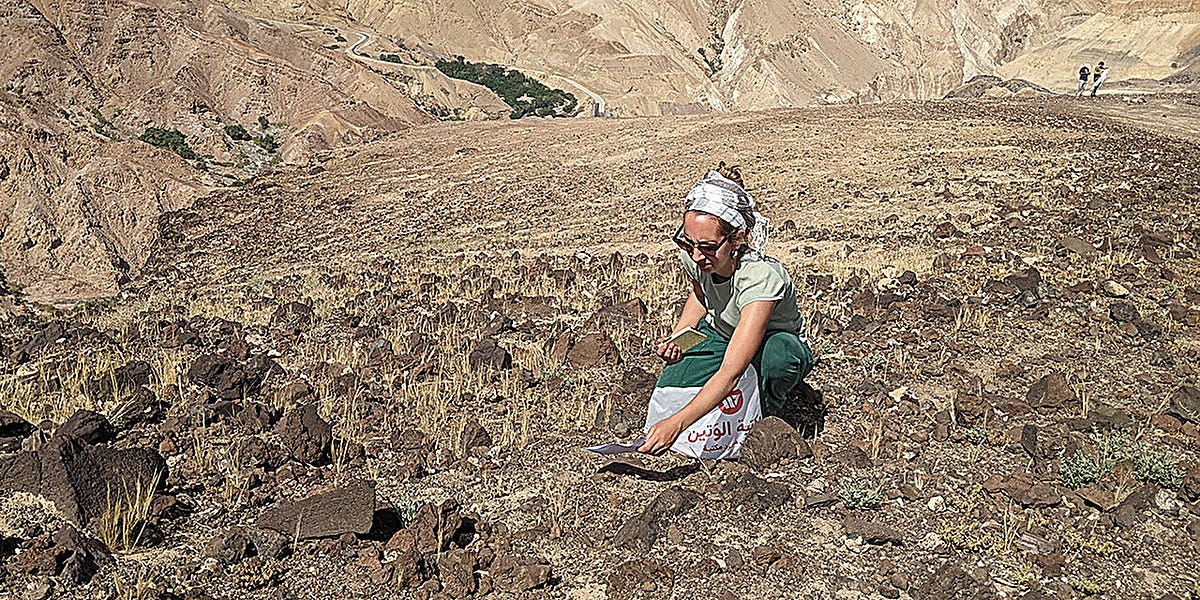
A new Open Quaternary study by Joe Roe and Amaia Arranz-Otaegui uses machine learning trained on modern plant occurrence data and paleoclimate simulations to reconstruct likely distributions of 65 species tied to early farming sites in West Asia. They report that most species had range contractions averaging about 25% from the terminal Pleistocene to the Early Holocene, and that this shrinkage occurred as climates warmed, implying that present-day plant occurrences may mislead efforts to locate original domestication locales.
Key Points
- 1Reconstructed 65 crop ancestor distributions using ML and paleoclimate simulations across Late Pleistocene-Holocene.
- 2Found average range shrinkage of about 25% from terminal Pleistocene to Early Holocene.
- 3Indicates modern plant occurrences mislead archaeobotanical sourcing; domestication locales may not match current ranges.
Scoring Rationale
Novel, peer-reviewed machine-learning reconstruction overturns assumptions; limited geographic and disciplinary scope somewhat reduces broader impact.
Practice with real Hotels & Lodging data
90 SQL & Python problems · 15 industry datasets
250 free problems · No credit card
See all Hotels & Lodging problems