Whoop Adds In-App Clinician Consultations and AI Features
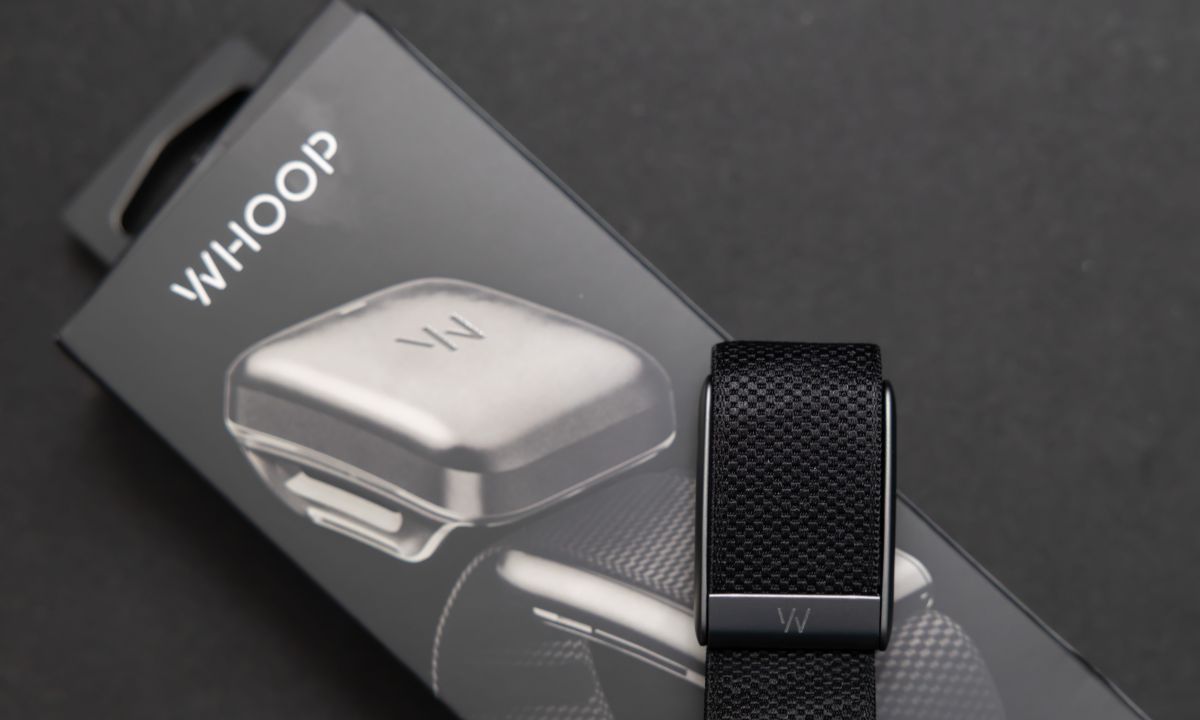
In a May 8 press release, WHOOP announced a suite of health and AI-driven updates that include live, on-demand video consultations with licensed clinicians, slated to launch in the United States this summer, per the press release. The company said consultations will begin from a longitudinal view of members' biometric data and, when available, bloodwork and medical history; WHOOP also announced support for Electronic Health Record (EHR) syncing and a third-party partnership for records access, reported by PYMNTS. WHOOP unveiled two AI features, My Memory and Proactive Check-Ins, which it describes as enabling more personalized coaching. CNBC reported WHOOP has over 2.5 million users and raised $575 million in March, valuing the company at $10.1 billion. Observers note wearables tying continuous biometrics to clinicians is part of a broader trend toward clinical applications for consumer devices and raises interoperability and privacy questions for practitioners.
What happened
In a May 8 press release, WHOOP announced a set of health and AI-driven membership updates that include live, on-demand video consultations with licensed clinicians, to launch in the United States this summer, according to the press release. The company said consultations will be informed by months of continuous biometric data collected by the WHOOP device and, when available, bloodwork and medical history, per the press release. WHOOP also said it will support Electronic Health Record (EHR) syncing; PYMNTS reports the company will partner with HealthEx for secure access to clinical histories such as diagnoses, medications, and procedures. The announcement also named two AI features, My Memory and Proactive Check-Ins, described as mechanisms to supply personal context to WHOOP's coaching and to surface timely recommendations.
Technical details
Per the press release and contemporaneous reporting, clinician consultations are delivered as in-app video visits that surface the member's continuous biometric history alongside any synced EHR data and available bloodwork. The My Memory feature provides a centralized place for members to add or edit contextual signals that feed WHOOP's coaching layer, while Proactive Check-Ins use those signals to trigger personalized recommendations such as prioritizing sleep or adjusting training ahead of events, as described in WHOOP's announcement and coverage by CNET and Engadget.
Context and significance
Editorial analysis
Companies that merge continuous wearable signals with clinical access aim to bridge symptom snapshots and longitudinal physiology; industry coverage frames WHOOP's move as part of a broader trend where consumer wearables move into clinical-adjacent services. For practitioners, the integration of months-long biometric traces with EHRs increases the volume and temporal density of patient data clinicians must interpret, creating both opportunity for richer context and challenges in signal-to-noise and workflow integration.
Business and scale
CNBC reported WHOOP has over 2.5 million users globally and raised $575 million in March, valuing the company at $10.1 billion. Multiple outlets note that many of the new AI features are included in membership, while CNBC reported the live video consultations for U.S. users will come at an additional cost and that pricing details will be published when the service launches this summer.
Privacy and interoperability considerations
Editorial analysis - technical context
Integrating EHR syncing via a third-party hub, as reported by PYMNTS and CNET, reduces friction for clinicians to access medical history but raises standard engineering and compliance questions for teams building on top of such data flows. Practitioners should note that secure consent management, audit logging, and mapping between WHOOP's telemetry and clinical codified data will be necessary to make this integration clinically useful. Coverage by CNET also flagged user privacy questions around third-party record storage and access controls.
What to watch
Industry context
Observers will monitor adoption metrics for clinician visits, the scope of clinical services available (for example, whether prescribing or care coordination is supported), and how WHOOP surfaces and summarizes long time-series biometrics for clinician review. From a product-engineering perspective, watch for details on data export formats, FHIR support, consent revocation controls, and latency between device data and EHR views. For ML practitioners, the interaction between user-supplied context (My Memory) and automated recommendation triggers (Proactive Check-Ins) will be an area to evaluate for bias, data drift, and personalization quality.
Quote
In its May 8 press release, WHOOP quoted Ed Baker, Chief Product Officer: "WHOOP is a membership, and we take that seriously. We're always asking how we can deliver more value to our members, and these upcoming features are some of the most meaningful we've ever built, from bringing clinician support directly into the app to advancing our AI coaching to be more personal and actionable than ever."
Key Points
- 1WHOOP combines in-app clinician video with EHR syncing to connect continuous biometric streams to clinical records, increasing clinical context availability.
- 2Built-in features like My Memory and Proactive Check-Ins let members add personal context, which can improve personalization but complicates model inputs.
- 3Integrating wearable telemetry with EHRs creates interoperability and privacy engineering work for teams aiming to use long-duration signals in clinical workflows.
Scoring Rationale
The update matters because it moves a major consumer wearable into clinical-adjacent services and increases the prevalence of longitudinal biometric data in healthcare workflows. The technical and compliance implications are notable for practitioners but not yet transformative.
Sources
Public references used for this report.
View 8 more sources
- The Health-Tracking Whoop App Will Now Connect You to On-Demand Doctors. Plus, New AI Featurescnet.com
- Whoop trackers will provide users with on-demand video access to licensed cliniciansmashable.com
- Google built a 99 dollar AI health coach. Whoop responded with real ...thenextweb.com
- Whoop to launch in-app clinician consultations this summer - MSNmsn.com
- Whoop adds on-demand doctors, new AI features, and rugged bandswareable.com
- WHOOP’s answer to the Fitbit Air is doctor access in its appandroidauthority.com
- Fitbit Ditches the Screen With Its New $99 Whoop Rivalpcmag.com
- Fitness wearable Whoop to offer on-demand clinician access to U.S. ...techbuzz.ai
Practice interview problems based on real data
1,625 SQL & Python problems across 15 industry datasets — the exact type of data you work with.
Try 250 free problems