White House Denies Green Light for OpenAI Release
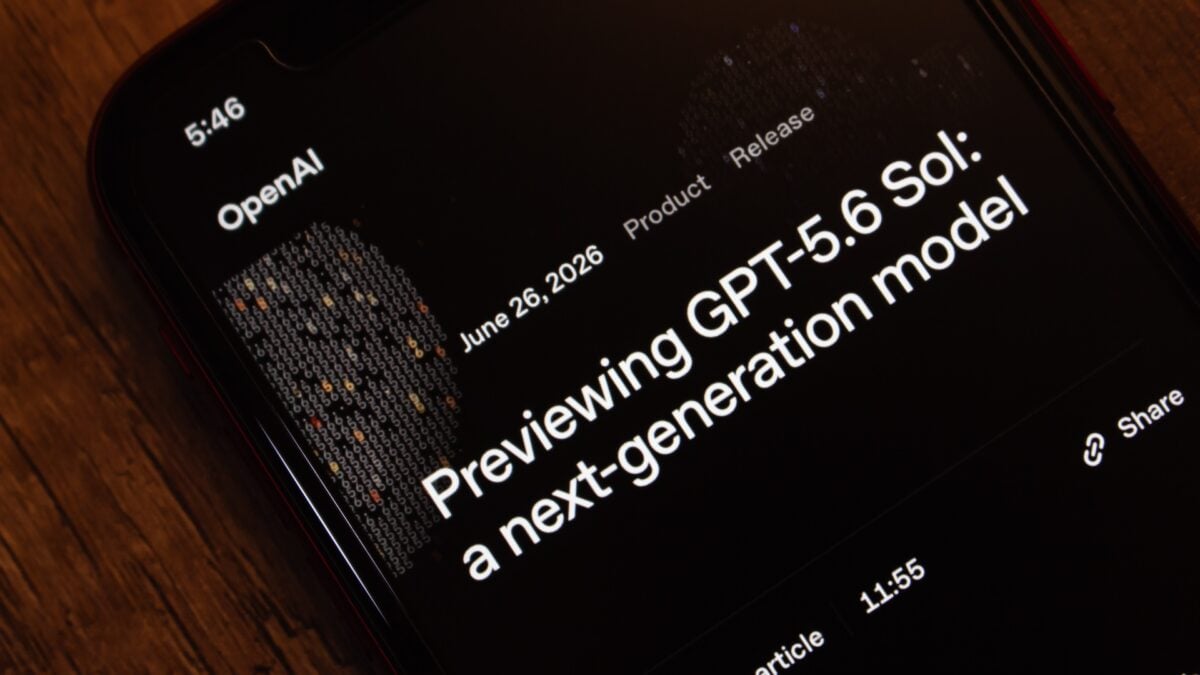
The White House on July 8, 2026 denied that it gave OpenAI a formal green light to broaden access to GPT-5.6, even as Axios and Gizmodo reported that the model family would become available on July 9 after government testing discussions. Axios said the Commerce Department's Center for AI Standards and Innovation reviewed the model and that OpenAI sent technical experts to Washington; the White House said release timing remains a company decision and no permission is required. For practitioners, the safe takeaway is that frontier-model access is still being staged through policy-sensitive review, so vendor claims about availability, audit artifacts, and customer eligibility need direct confirmation before deployment planning.
Policy-sensitive model launches are becoming deployment-risk events, not just product announcements. The practical issue for AI teams is how to reconcile vendor release language, government testing, and customer eligibility when access can change quickly across API, Codex, ChatGPT, and partner channels.
What happened
Axios reported on July 8, 2026 that the Trump administration had lifted restrictions around a broader OpenAI GPT-5.6 release after additional testing and meetings with government officials. Gizmodo then reported the White House disputed the idea that it had granted a formal green light, saying no permission is required and model-release timing rests with companies. OpenAI's own launch material says GPT-5.6 began as a limited preview after the company shared plans and capabilities with the U.S. government.
Policy context
The accounts point to an interim operating model rather than a clean approval regime. Axios and Gizmodo describe government testing and discussions around the release, while the White House statement emphasized that voluntary engagement should not be treated as federal preclearance. OpenAI's Help Center still describes the preview as limited and not broadly self-service, so availability claims should be read channel by channel.
For practitioners
Teams planning to evaluate GPT-5.6 should separate public launch headlines from actual account eligibility, API access, Codex workspace access, pricing, safety documentation, and contractual terms. The evidence also makes audit artifacts more important: model cards, red-team results, access-control justifications, and customer-specific enablement records are likely to be asked for by security and compliance reviewers.
What to watch
The useful follow-up signals are direct OpenAI availability updates, any Commerce Department testing guidance, and whether other frontier labs are routed through similar voluntary review. If government engagement remains informal, downstream customers will need clearer vendor documentation to distinguish safety testing from formal approval.
Key Points
- 1The White House denied formal approval while reporting still points to government testing and discussions around GPT-5.6 access.
- 2Practitioners should verify actual API, Codex, and ChatGPT eligibility rather than relying on broad launch headlines.
- 3The policy signal is that frontier-model releases increasingly require auditable safety artifacts and channel-specific availability checks.
Scoring Rationale
The story is notable because it affects how frontier-model access, safety review, and customer eligibility are interpreted by enterprise teams. It is not a technical breakthrough by itself, but the policy ambiguity around GPT-5.6 release mechanics makes it operationally important.
Sources
Public references used for this report.
Practice with real Retail & eCommerce data
90 SQL & Python problems · 15 industry datasets
250 free problems · No credit card
See all Retail & eCommerce problems