Wealth Management Adopts AI for Operational Transformation
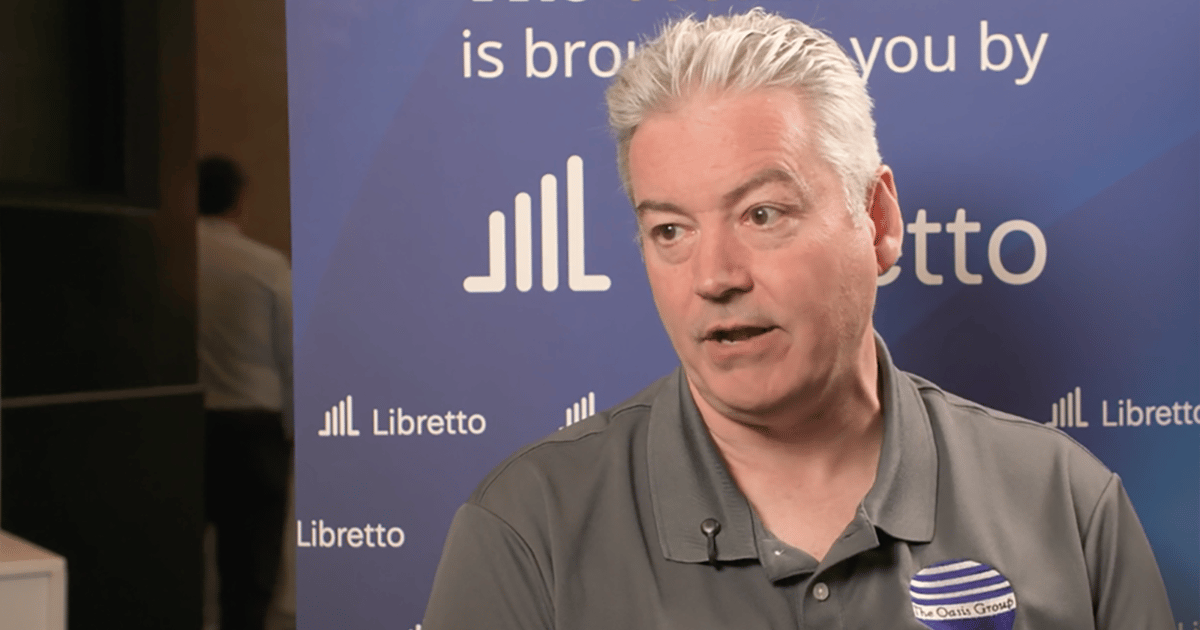
Wealth management is moving from AI experimentation to enterprise implementations. John O'Connell, founder and CEO of the Oasis Group, says firms must assess their position on the AI maturity curve, build governance frameworks, and prioritize use cases that produce measurable business impact. The biggest near-term changes will be in the middle and back office, where automation and AI capabilities will streamline workflows, reduce costs, and improve data-driven decision making. Client-facing advisors will retain the relationship role but shift focus toward behavioral finance and holistic advice as routine portfolio and reporting tasks are automated. Firms that establish data strategy, model governance, and integration roadmaps now will preserve competitive advantage as vendors and platforms consolidate.
What happened
Wealth management has moved beyond pilots into implementation, driven by available computing power and training data. John O'Connell, founder and CEO of Oasis Group, argues this is a watershed moment: "this is the biggest transformational, uh, movement that we're gonna be seeing probably in my entire lifetime, uh, with artificial intelligence and coming about," said John O'Connell. Firms are shifting from exploration of capabilities to embedding AI in core operations, with the largest near-term impact expected in middle and back office functions.
Technical details
Practitioners must treat this as a systems engineering problem rather than an experiment. Successful programs align an AI maturity curve roadmap with robust governance frameworks, data engineering, and production ML processes. Priorities include:
- •Establishing data pipelines, lineage, and quality controls to support model training and explainability
- •Implementing model governance, versioning, and monitoring to meet compliance and auditability needs
- •Automating reconciliation, reporting, and client communications in the middle/back office to free advisor capacity
- •Integrating vendor APIs and choosing partners that support secure deployment and enterprise identity/access controls
Context and significance
The combination of computing power and training data means many routine investment-management tasks are automatable. That creates operational leverage and cost advantages for early movers. Advisors will not become redundant; instead they will migrate to higher-value activities such as behavioral finance and relationship management. Governance and vendor selection will determine whether AI becomes a competitive moat or an operational risk.
What to watch
Expect rapid vendor consolidation, increased focus on model ops and compliance tooling, and hiring for data engineering and risk-governance skill sets. Firms that define measurable use-case KPIs and operationalize models will separate themselves from laggards.
Key Points
- 1Firms shift from AI pilots to production, requiring roadmaps that link maturity to measurable business outcomes.
- 2Middle and back office automation offers immediate efficiency gains, enabling advisors to focus on behavioral finance.
- 3Governance, data pipelines, and vendor integration are the gating factors for safe, scalable AI deployment.
Scoring Rationale
This signals a meaningful industry transition from experimentation to production, affecting operations, talent needs, and vendor dynamics. Impact is notable but industry-specific, not a frontier-model or regulatory watershed.
Practice with real Ad Tech data
90 SQL & Python problems · 15 industry datasets
250 free problems · No credit card
See all Ad Tech problems